-
[Advanced Apocalypse Survival Handbook] Energy Independence Upgrades — “Wind, Micro-Hydro & Biogas on a Budget”
This guide outlines how to expand off-grid energy sources beyond solar, focusing on wind turbines, micro-hydro setups, and biogas digesters. It provides DIY instructions, necessary components, and maintenance tips for each system. Combining these technologies enables reliable, sustainable energy independent from the grid, transforming waste into usable fuel.
-
[Advanced Apocalypse Survival Handbook] Emergency Communication Networks — “HAM, Mesh & Collapse-Resilient Signaling”
This guide outlines how to create a resilient off-grid communication system utilizing radios, mesh networks, and simple signaling methods for small group coordination and emergency situations. It emphasizes the importance of layered communication strategies, training, and low-cost tools to maintain connectivity and security in post-collapse scenarios.
-
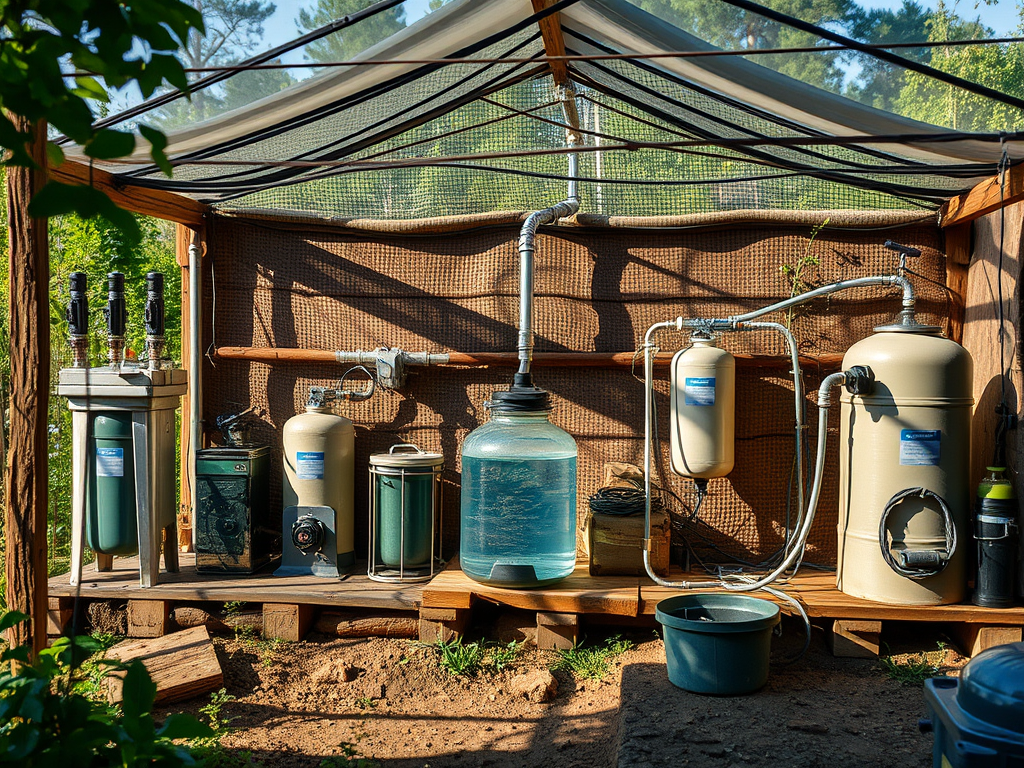
[Advanced Apocalypse Survival Handbook] Advanced Water Engineering — “Filtration, Irrigation & Storage That Outlast Civilization”
This guide teaches building off-grid water systems essential for survival and agriculture, emphasizing low-cost filtration, rain catchment, and irrigation methods. It outlines three tiers of water systems, core design principles, storage options, and essential roles for maintenance. Redundant designs enhance efficiency, emphasizing the value of saved resources.
-
[Advanced Apocalypse Survival Handbook] Self-Sufficiency Income Streams (Low Tech) — “Earn Without the Internet, the Bank, or Your Boss”
This guide provides practical strategies for creating sustainable, low-tech income in off-grid conditions. It emphasizes the importance of barter goods, needed skills, and useful services over digital ventures. Key income streams include food production, tool repair, and teaching. Group roles and community trust are essential for economic resilience.
-
[Advanced Apocalypse Survival Handbook] DIY Blacksmithing & Tool Repair — “How to Hammer Your Way Out of Collapse”
This guide outlines how to create and maintain essential tools using primitive blacksmithing techniques in a long-term collapse scenario. It emphasizes the importance of repairing tools rather than replacing them, offers a minimalist setup for forging, and highlights valuable scrap metal sources. It also discusses safety and group roles in tool production.
