-

[AC OFF] The Psychrometric Trap: Why the “Ice Behind the Fan” Trick Is Suffocating You
Go to any survival blog or lifestyle forum during a heatwave, and you will find the exact same piece of advice: “Put a shallow bowl of ice or hang a wet towel directly in front of your fan. It creates a cheap, DIY air conditioner.” If you try this in Phoenix, Arizona, it works beautifully. If…
-

[AC OFF] The Radiant Shield Mistake: How Interior Blinds Turn Your Windows into Radiators
During a heatwave, covering windows may feel protective but actually traps heat inside, turning windows into radiant heaters. To effectively combat this, an exterior solar shield using Mylar and cardboard can reflect up to 97% of radiant heat before it enters the glass, significantly reducing indoor temperatures at a low cost.
-

[Off-Grid Bathroom] How to Shower Without Running Water (And Still Feel Clean)
This content discusses practical off-grid shower solutions that conserve water and energy while maintaining cleanliness. The author shares three main methods: using a solar shower bag, a no-rinse wipe-down, and an outdoor bucket bath. Transitioning away from traditional plumbing has provided freedom, reduced water usage, and fostered a sustainable lifestyle.
-
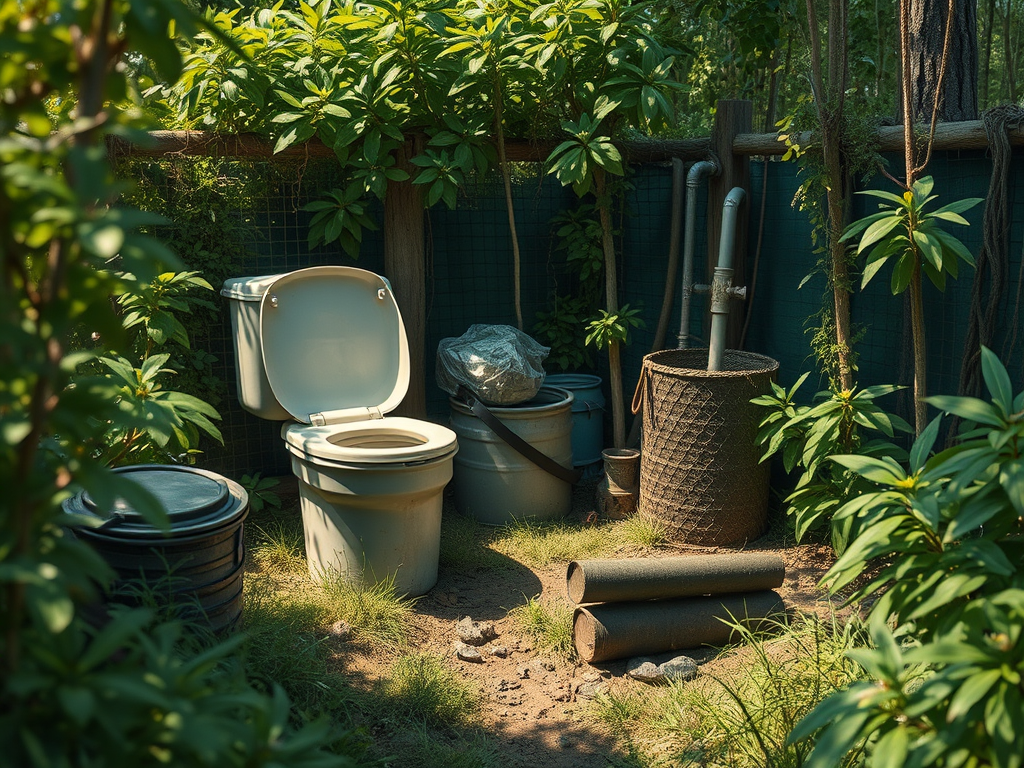
[Off-Grid Bathroom] No-Flush Toilet Systems That Actually Work (And Don’t Smell)
No-flush toilet systems are a clean, eco-friendly alternative for off-grid living, saving water and reducing reliance on costly plumbing. Options range from the low-cost Humanure Bucket System to more advanced solutions like electric incinerating toilets. Proper installation ensures no odor or bugs, promoting a hygienic waste management approach.
-
[Off-Grid Bathroom] The Essentials — How I Built a Functional Bathroom Without Plumbing
The author describes their innovative approach to creating a functional off-grid bathroom without plumbing. They utilize inexpensive materials and simple methods to establish a composting toilet, solar shower, and minimalist hygiene system. The setup emphasizes sustainability, comfort, and efficient waste management, resulting in a clean and eco-friendly solution.
You must be logged in to post a comment.