-
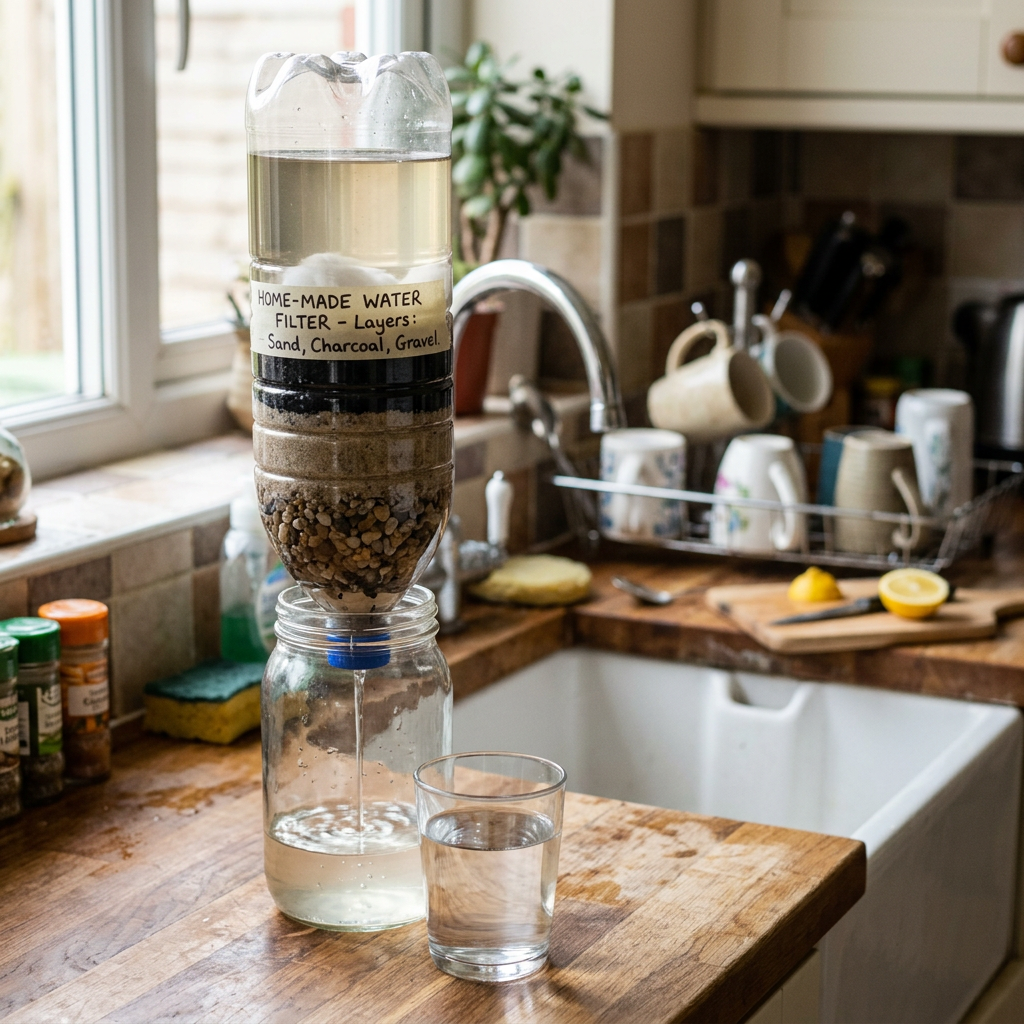
[TAP OFF] The Static Filter: How to Engineer a Fluid Clarifier Using Descending Porosity Matrices
In urban settings facing water shortages, sourcing alternative water requires effective filtration techniques. A household clarification column utilizing layers of pebbles, sand, and activated carbon can mechanically remove turbidity and pollutants. However, this method doesn’t eliminate pathogens, necessitating further disinfection before consumption to ensure safety and usability.
-
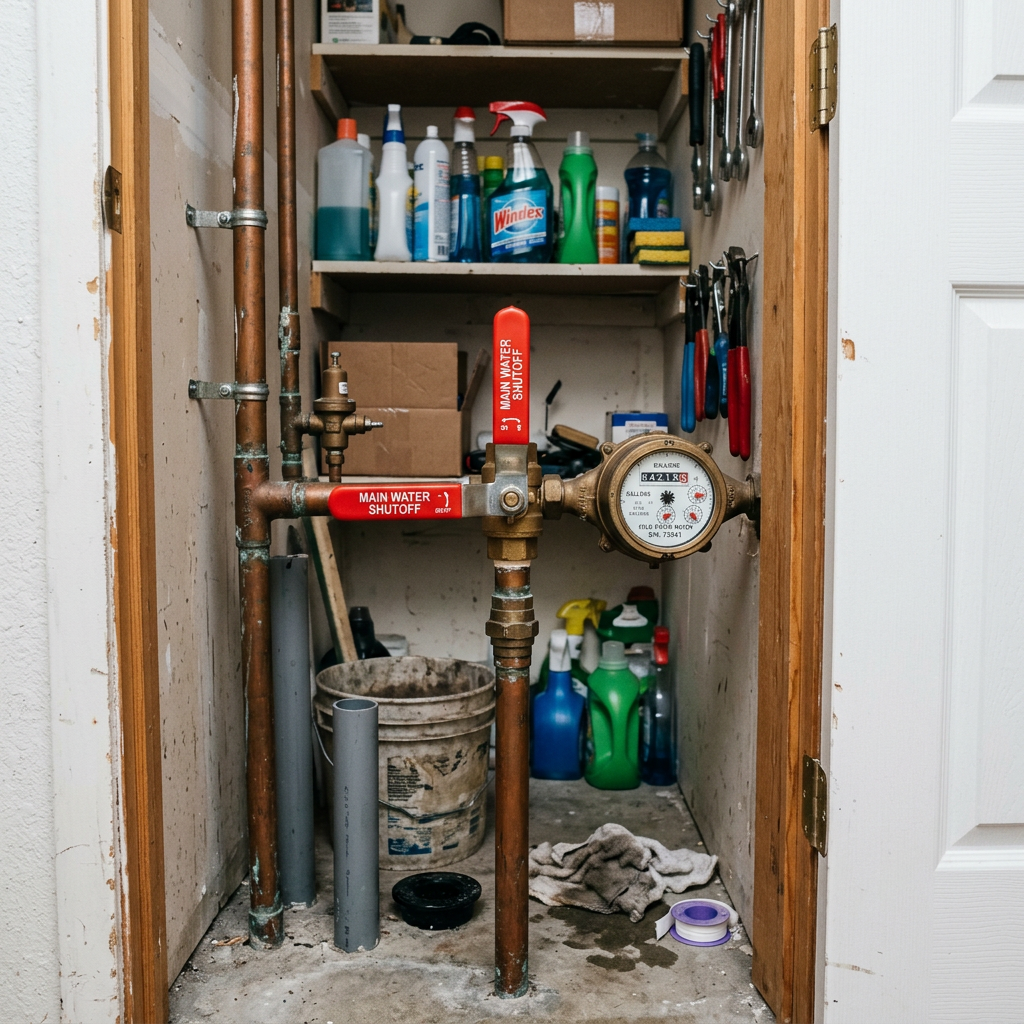
[TAP OFF] The Siphon Trap: Why Turning on Your Tap During a Water Outage Can Poison Your Plumbing
A late-summer heatwave causes blackouts and a loss of municipal water pressure, leading to potential health risks from backsiphonage if faucets are left open. To safeguard your water supply, shut the main valve, open upper fixtures to break vacuums, and drain water from lower fixtures while isolating your water heater for emergency use.
-
[Off-Grid Bathroom] Greywater Recycling + Outdoor Setups — Complete Sustainable System
Transform your off-grid bathroom into a closed-loop system by recycling greywater from handwashing and showers, utilizing it for garden irrigation, and ensuring a self-reliant hygiene setup. Use only biodegradable products, collect and reuse water, and design a seamless outdoor hygiene space. The result is a clean, modern, and eco-friendly solution.
-
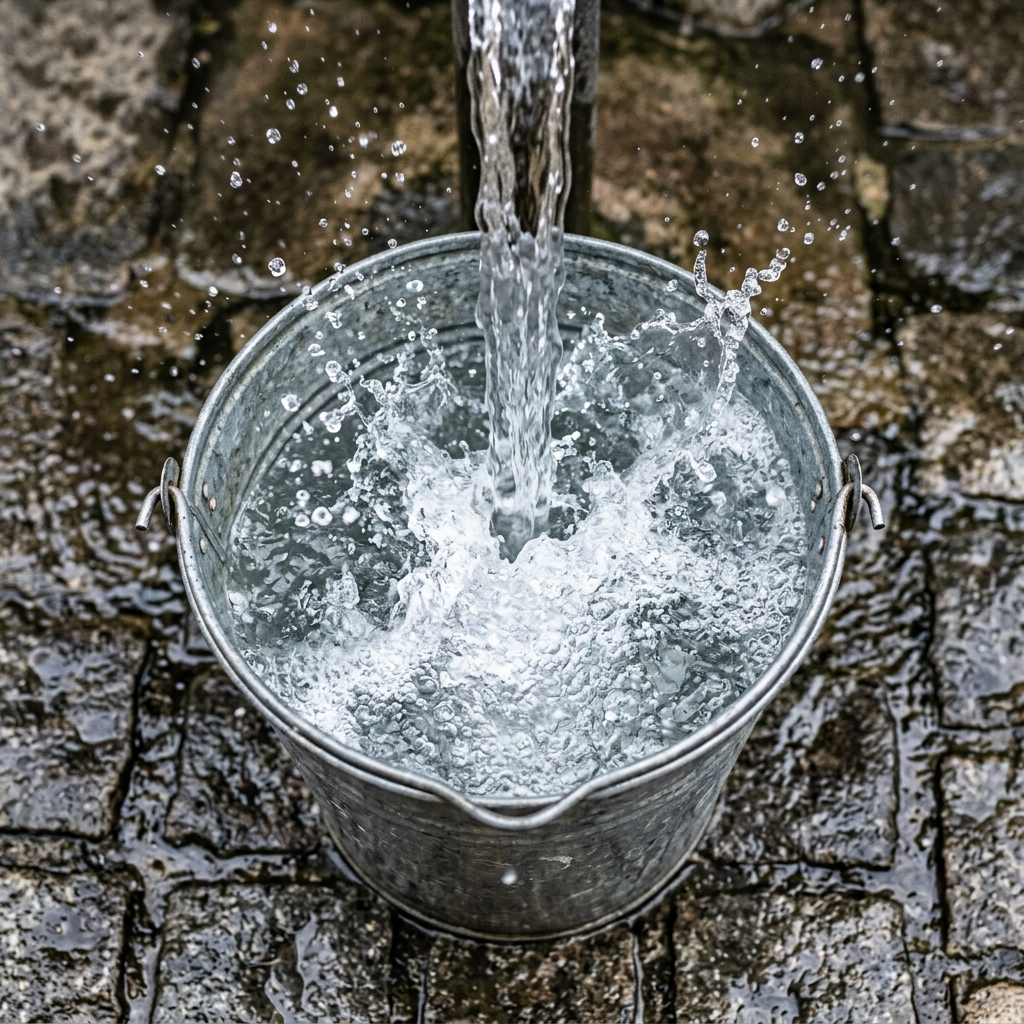
[Almost Off-Grid Life] My Shower Broke, So I Went Primitive (And Stayed That Way for a Month)
When a plumbing issue forced a change in hygiene routine, the author embraced the challenge, transforming cold bucket showers into a mindful ritual. This experience led to a deeper respect for water, reduced reliance on products, and a philosophical shift about modern conveniences. Ultimately, primitive hygiene became a conscious choice for well-being.
-

[Almost Off-Grid Life] Rainwater Catchment… From My Roof in the City
The author recounts their experiment of collecting 3.5 gallons of rainwater from their apartment roof during a storm, driven by curiosity rather than necessity. With a makeshift setup costing $25, they successfully harvested and filtered the rainwater. This experience underscores the feasibility and importance of urban rainwater collection.
You must be logged in to post a comment.