-

[TAP OFF] The High-Rise Toilet Crisis: Surviving the First 72 Hours Without a Flush
In the event of a prolonged water outage, maintaining sanitation is essential. Rather than flushing toilets, implement a Twin-Bucket System separating liquid and solid waste. This method prevents dangerous sewer backups and manages waste through simple materials, ensuring safety and odor control by applying chemical principles of waste separation.
-
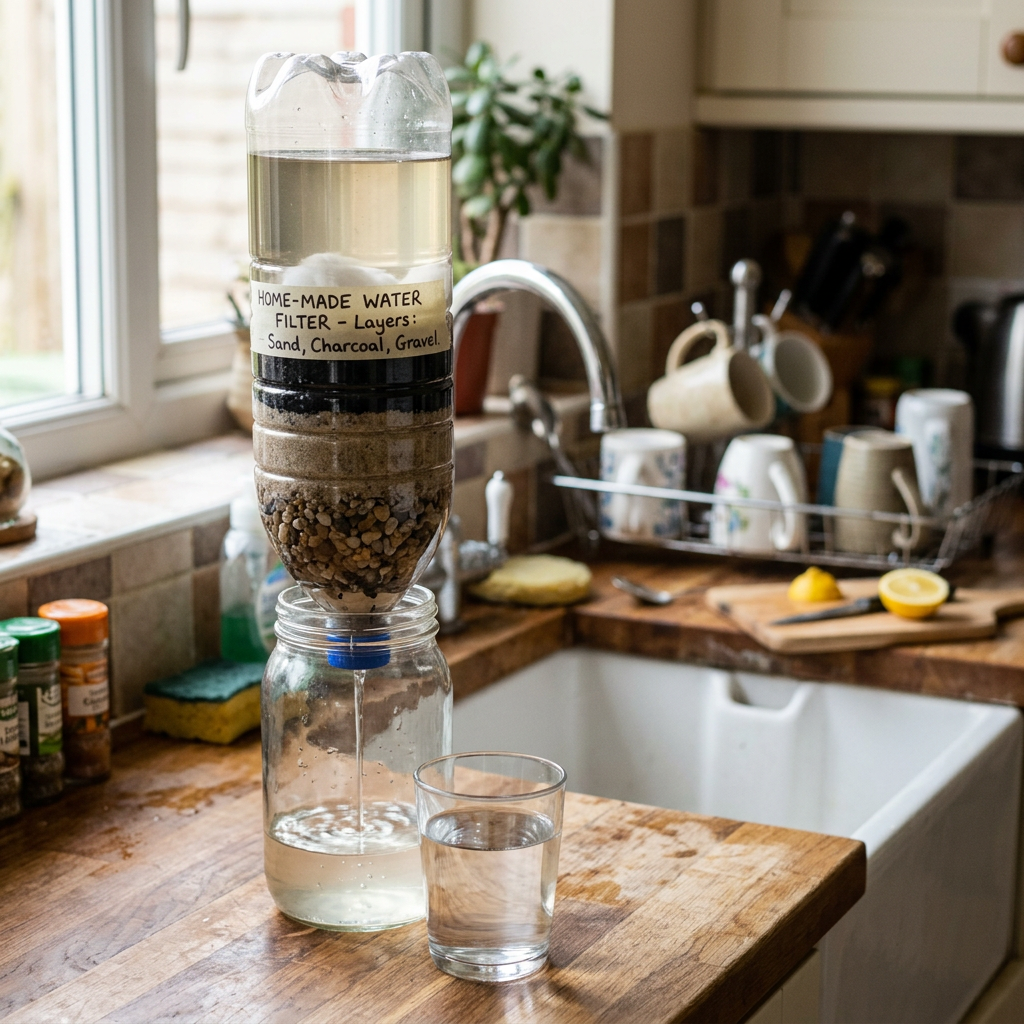
[TAP OFF] The Static Filter: How to Engineer a Fluid Clarifier Using Descending Porosity Matrices
In urban settings facing water shortages, sourcing alternative water requires effective filtration techniques. A household clarification column utilizing layers of pebbles, sand, and activated carbon can mechanically remove turbidity and pollutants. However, this method doesn’t eliminate pathogens, necessitating further disinfection before consumption to ensure safety and usability.
-
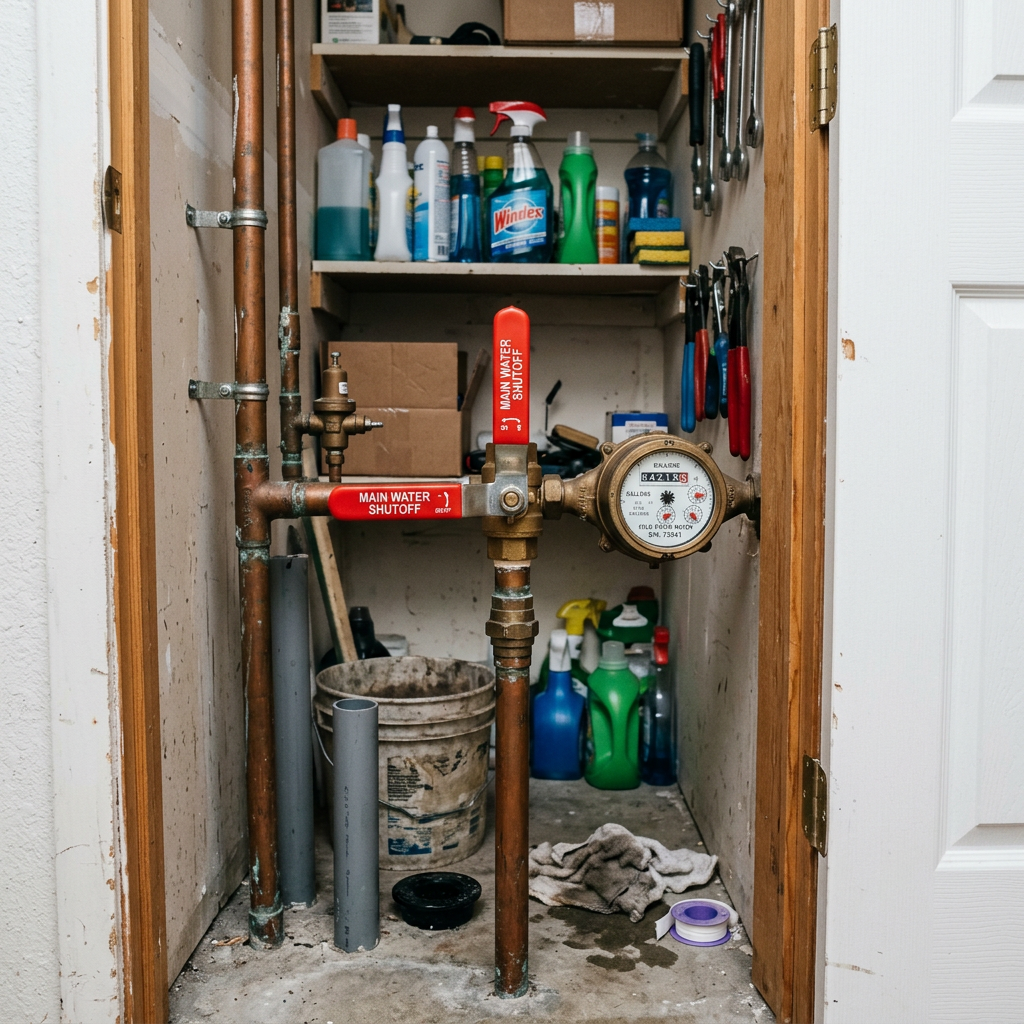
[TAP OFF] The Siphon Trap: Why Turning on Your Tap During a Water Outage Can Poison Your Plumbing
A late-summer heatwave causes blackouts and a loss of municipal water pressure, leading to potential health risks from backsiphonage if faucets are left open. To safeguard your water supply, shut the main valve, open upper fixtures to break vacuums, and drain water from lower fixtures while isolating your water heater for emergency use.
-

[Fridge OFF] The Urban Fermentation Protocol: How Ancient Cities Kept Food Safe in 40°C Heat
When your refrigerator fails, preserve perishables using salt and water to encourage beneficial Lactobacillus bacteria and inhibit harmful pathogens like Clostridium botulinum. Create a saline brine for optimal fermentation, ensuring vegetables stay submerged to avoid spoilage. This approach helps maintain food safety and freshness in warm conditions, even without electricity.
-
[Off-Grid Bathroom] Greywater Recycling + Outdoor Setups — Complete Sustainable System
Transform your off-grid bathroom into a closed-loop system by recycling greywater from handwashing and showers, utilizing it for garden irrigation, and ensuring a self-reliant hygiene setup. Use only biodegradable products, collect and reuse water, and design a seamless outdoor hygiene space. The result is a clean, modern, and eco-friendly solution.
You must be logged in to post a comment.