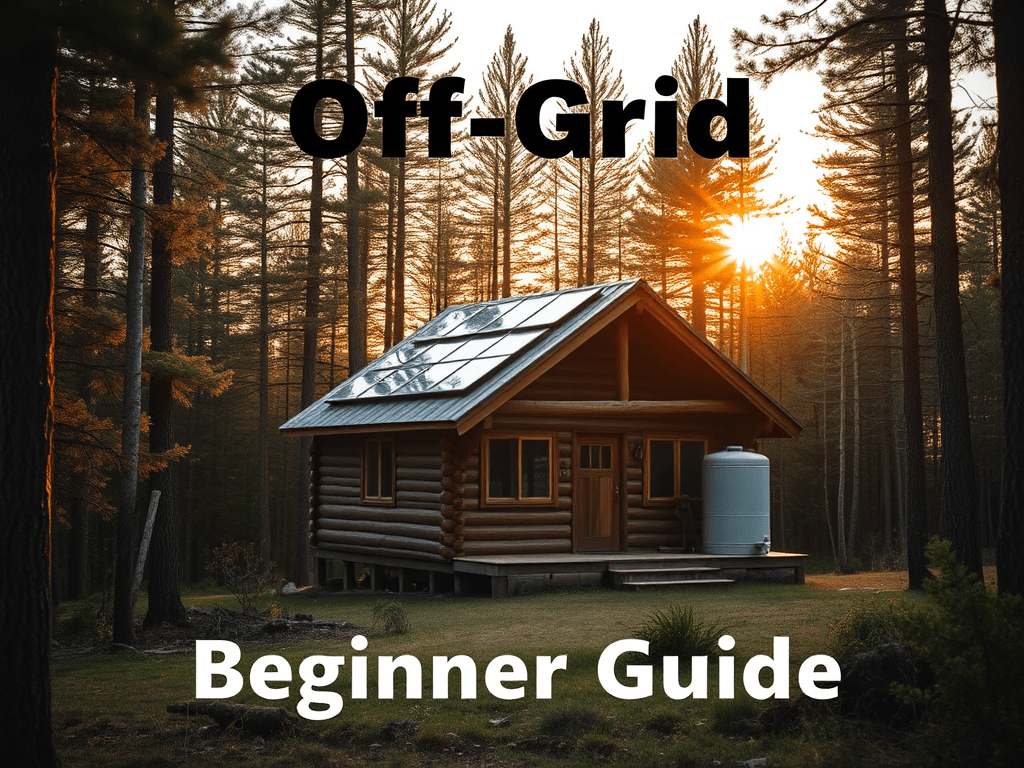
Ah, yes. Time for [Off-Grid 101: Beginner Guide #5], where we lovingly rip your rustic dream cabin fantasies to shreds and replace them with structural integrity, insulation, and bear-proofing. Let’s build something that doesn’t scream, “I built this in a fever dream with a YouTube tutorial and hubris.”
There’s nothing more romantic than building your own off-grid shelter. Unfortunately, romance won’t keep your roof from caving in or your floor from becoming a swamp. Building off-grid isn’t about aesthetics—it’s about survival. With style, maybe. But mostly survival.
Here’s how to actually build something that won’t kill your dreams. Or you.
1. Pick the Right Spot (AKA Don’t Build in a Flood Zone, Genius)
Location isn’t just real estate talk—it’s off-grid life or death.
Avoid:
- Low-lying areas (congratulations, you’ve built a seasonal pond)
- North-facing slopes (unless you like being cold and sad)
- Under big dead trees (called widowmakers for a reason)
Look for:
- Natural drainage
- Wind protection
- Sun exposure (if you want passive solar warmth and fewer regrets)
2. Foundation First—This Is Not Optional
No, you can’t “just throw something up on the dirt.” Not unless you want that something to slowly sink into the earth like your optimism.
Options:
- Concrete piers or footers
- Gravel pad + concrete blocks
- Skid foundation (for cabins/sheds)
Your structure is only as solid as what’s under it. So make sure “what’s under it” isn’t regret and pine needles.
3. Build Small, Strong, and Boring
Look, I get it. You want a cool A-frame with panoramic windows and floating stairs. But you’re not building an Airbnb photo shoot. You’re building a shelter for extreme temperatures, high winds, and wildlife that doesn’t respect personal space.
Beginner-friendly shelter styles:
- Single-room cabins
- Shed-to-home conversions
- Pre-fab kits (less romantic, more intact)
Prioritize:
- Simplicity
- Insulation
- Weather-proofing
- A roof that doesn’t double as a rain funnel
4. Insulation: The Difference Between Cozy and Crying
Insulation is everything. If you skimp here, you’ll spend your winters wrapped in guilt and six blankets.
Options:
- Spray foam: expensive, effective, might turn your house into a sealed tomb
- Rigid foam board: affordable, works well in small builds
- Sheep’s wool: sure, if you want to brag about how your walls are ethically sourced
Don’t forget windows and doors. Drafts are basically indoor tornadoes.
5. Roofing: Not the Time to Get Creative
Roofs need to:
- Keep water out
- Hold up snow
- Not blow away at 3 a.m.
Best bets:
- Metal roofing (durable, bear-resistant)
- Steep pitch (for snow shedding and dramatic flair)
- Flashing and overhangs to protect your sad little walls
6. Ventilation = Not Dying
You want warmth, but not at the cost of breathing your own slowly accumulating moisture. Trapped humidity = mold. Mold = death-by-wall-fungus.
Add:
- Roof vents
- Windows that open
- A small fan or wood stove with fresh air intake
Breathe deeply. But safely.
7. Bear-Proofing 101
No, really. Bears.
Basic defense:
- No food in your sleeping area
- Store trash FAR away
- Use metal doors, not plywood dreams
- Add motion lights or alarms (bears hate surprises)
If a bear breaks in, your real mistake wasn’t structural—it was your pantry habits.
Final Thought
Building your off-grid shelter is exciting. But don’t get distracted by Instagram-worthy fairy tale cabins. Focus on strong bones, warmth, weatherproofing, and a layout that says “I survive here,” not “I’m starring in a sad documentary.”
You can always add fairy lights later. First, build a box that won’t betray you in a storm.

Leave a comment