-

[Almost Off-Grid Life] What I Packed in My ‘Bug-In’ Backpack — And Why I Use It Even When I’m Home
The author reflects on creating a “Bug-In Bag” in response to a power outage, emphasizing emotional preparedness over physical survival. This kit fosters calm and confidence during emergencies, containing essential items like a flashlight and a water filter. It’s designed for anyone seeking freedom from anxiety, rather than fear of disaster.
-
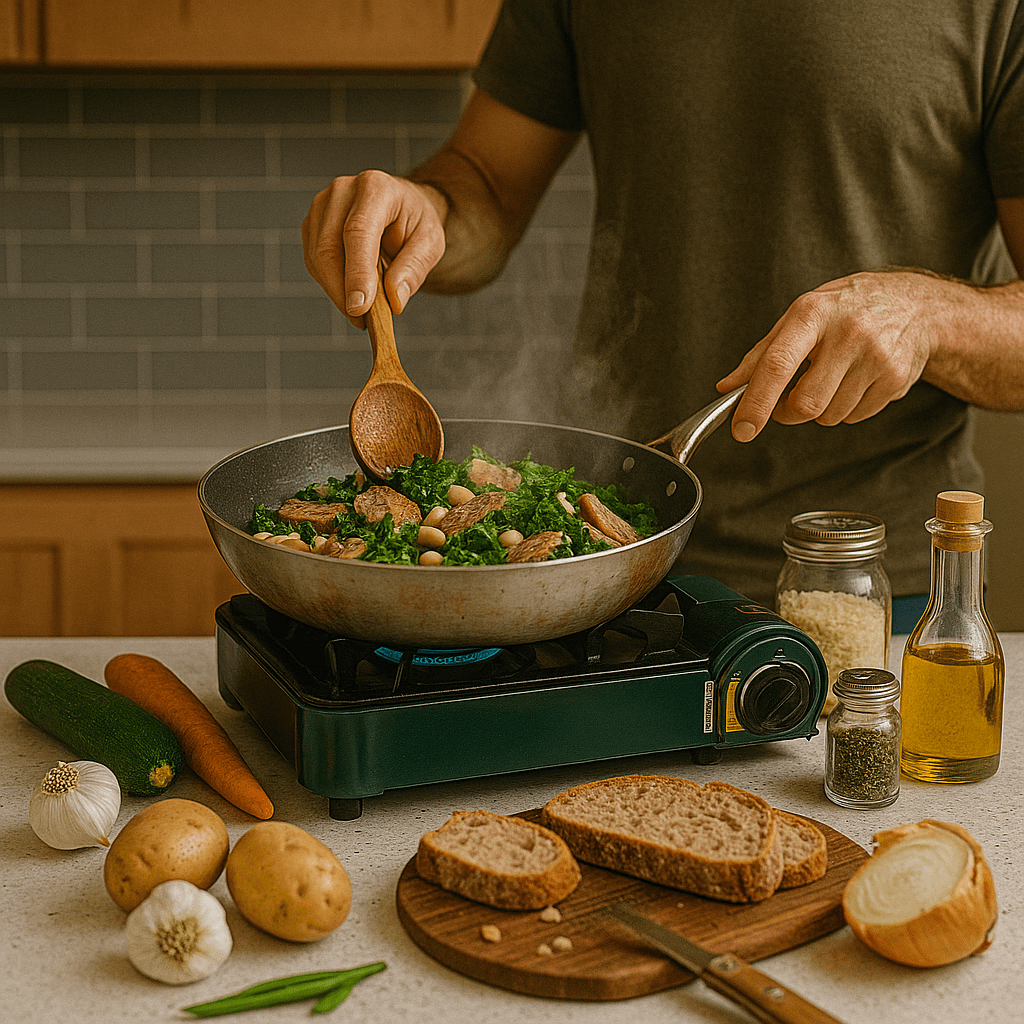
[Off-Grid in the City] The Collapse Kitchen: How to Cook Without Refrigeration or Recipes
When faced with a power outage, traditional cooking methods falter, but survival doesn’t depend on refrigeration. By utilizing shelf-stable ingredients and creative cooking techniques—like thermal cooking and sun ovens—one can effectively prepare meals. Embrace adaptability and resourcefulness in the kitchen to thrive during emergencies without relying solely on appliances.
-
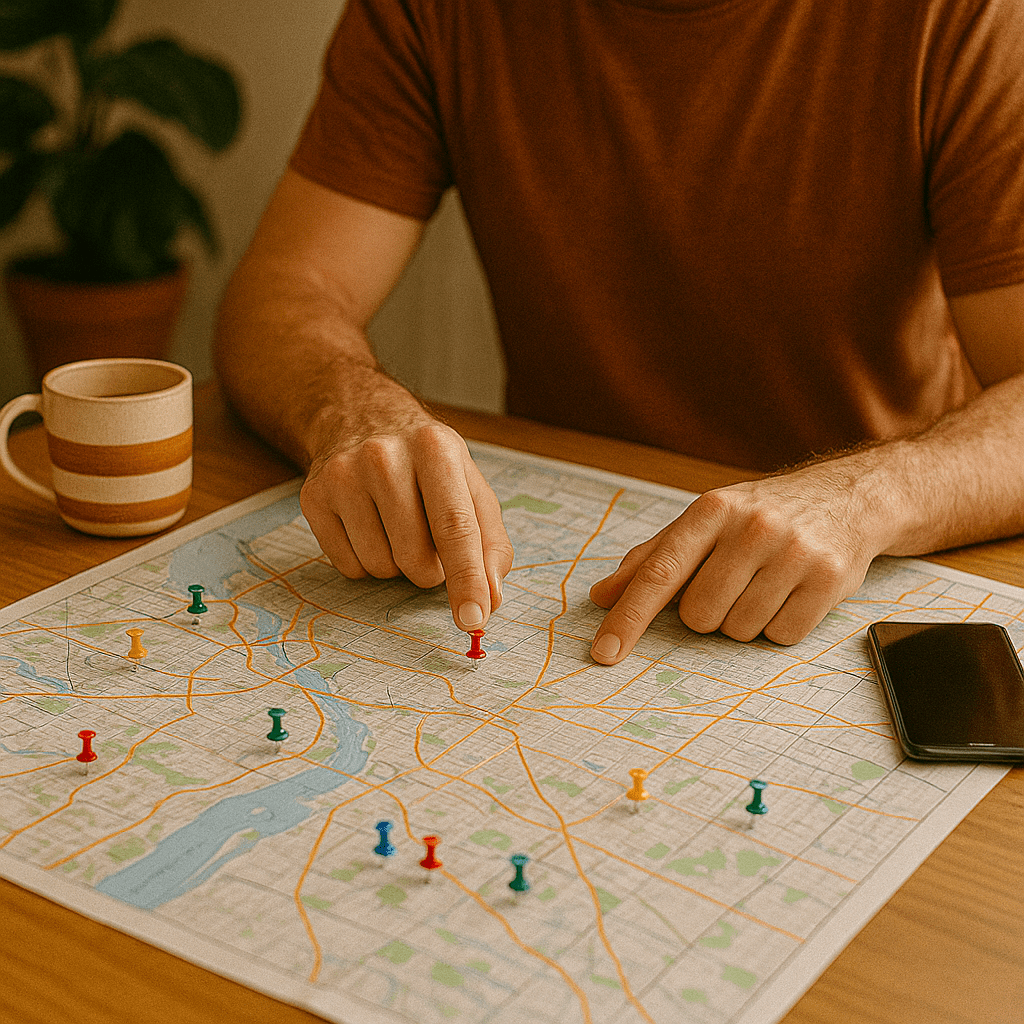
[Off-Grid in the City] The Friend Map: Why Community Will Matter More Than Gear
To effectively prepare for uncertain times, rely on a supportive network rather than hoarding supplies alone. Create a “Friend Map” to identify individuals with valuable skills and resources. Foster relationships, offer help, and build community resilience. True survival comes from collaboration, not isolation. Embrace shared efforts for collective strength.
-
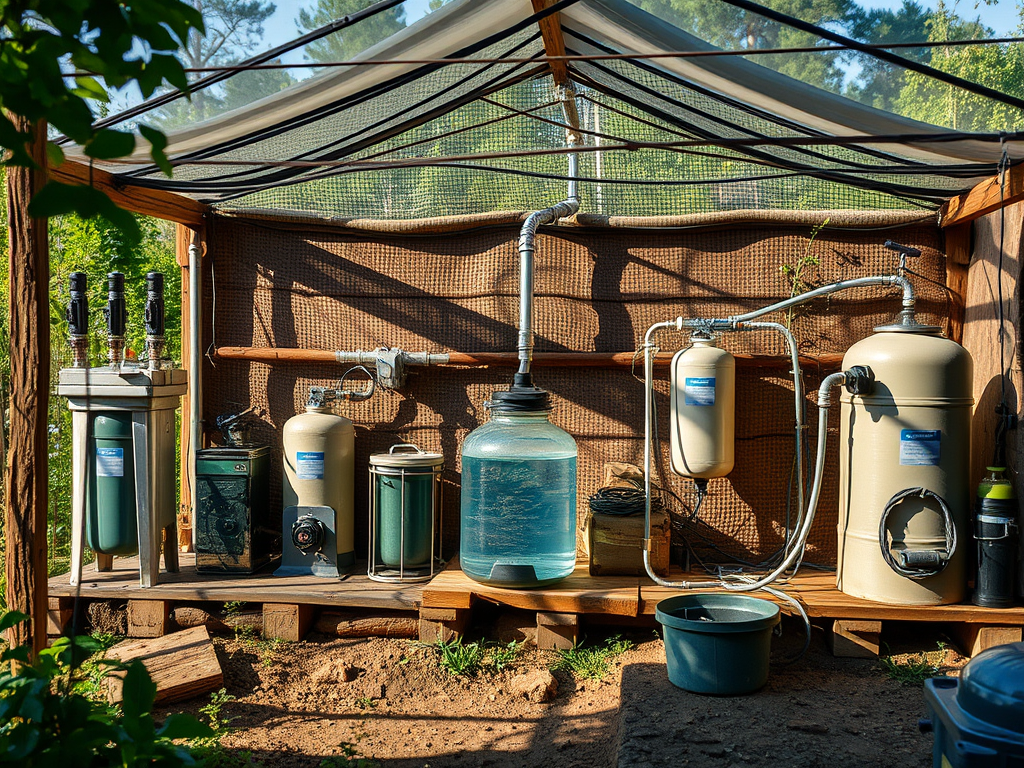
[Advanced Apocalypse Survival Handbook] Off-Grid Children’s Education & Life Skills — “Raising Survivors, Not Screen slaves”
This guide outlines low-budget systems for educating children in off-grid, post-collapse environments, emphasizing survival skills, mental resilience, and foundational learning. Age-appropriate focuses are detailed, alongside practical life skills and a group education model. Key points stress the significance of education in fostering purpose and adaptability in children.
-
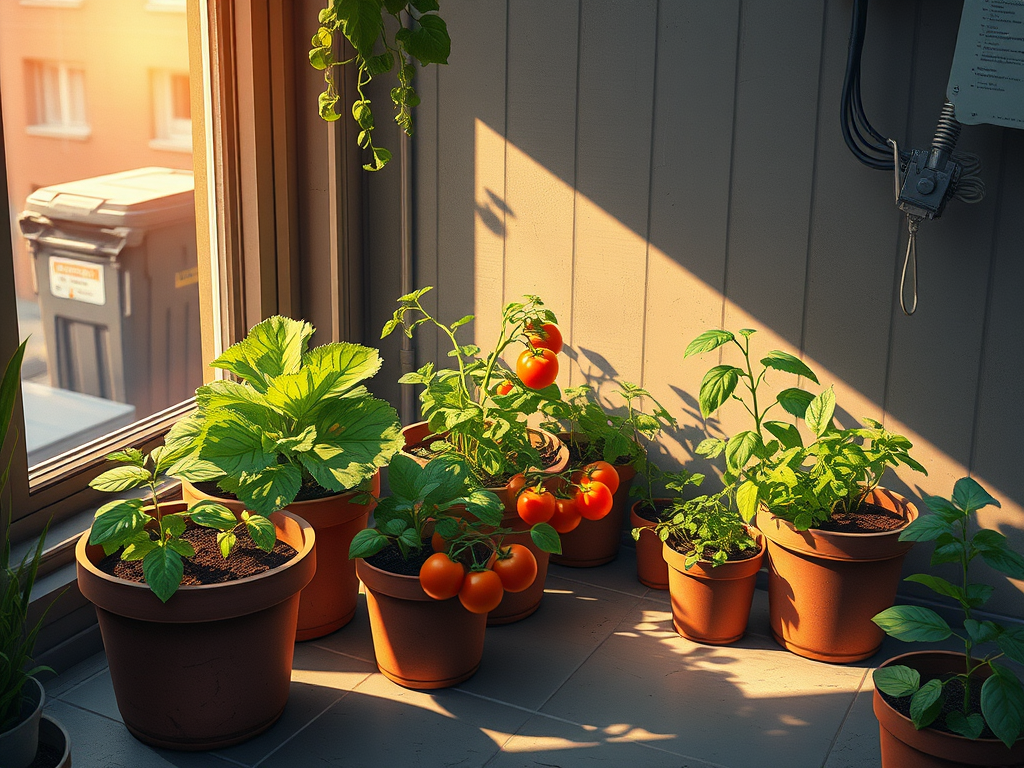
[Urban Homestead Ideas] The 6-Square-Foot Revolution: What I Grow in a City Apartment
“The Concrete Eden” advocates urban homesteading in small spaces, emphasizing food sovereignty and independence from supply chains. It highlights practical tips for growing food in limited areas, using simple tools and a mindset of resilience. The author shares personal experiences, underscoring the mental health benefits and empowerment gained through gardening.
