-
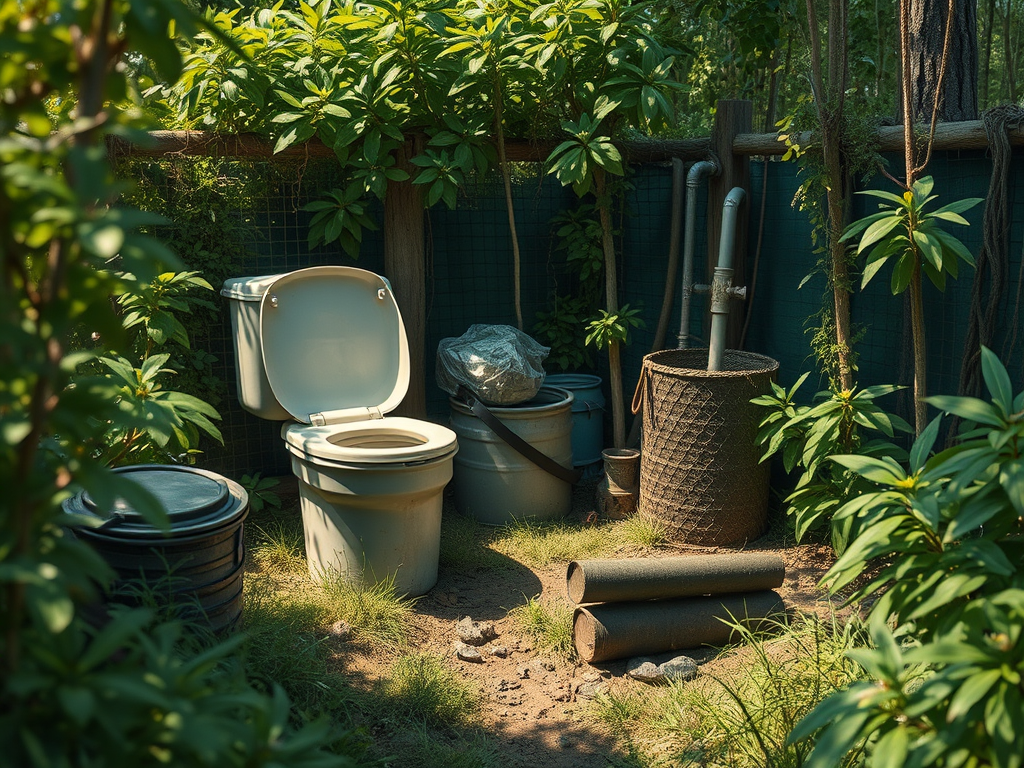
[Off-Grid Bathroom] The Essentials — How I Built a Functional Bathroom Without Plumbing
The author describes their innovative approach to creating a functional off-grid bathroom without plumbing. They utilize inexpensive materials and simple methods to establish a composting toilet, solar shower, and minimalist hygiene system. The setup emphasizes sustainability, comfort, and efficient waste management, resulting in a clean and eco-friendly solution.
-
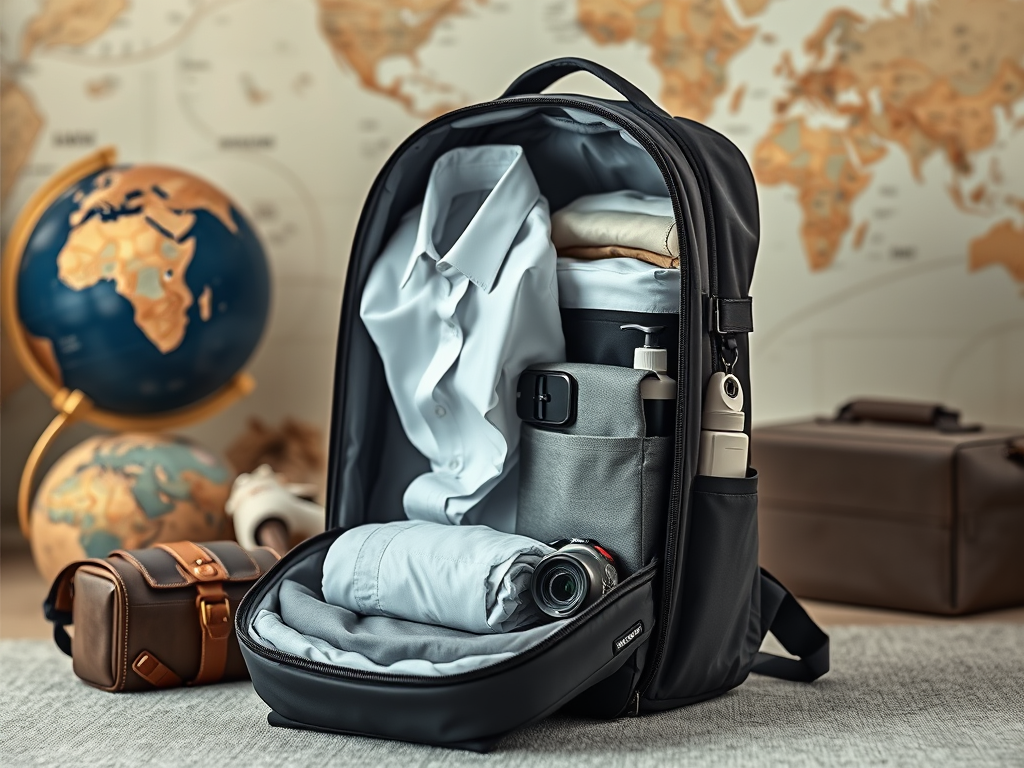
[Minimalism Lifestyle] Minimalist Travel: How I Packed for a Month in One Backpack (And Smelled Fine)
The author shares their transformative experience with minimalist travel, transitioning from overpacking to using a single backpack for thirty days. They detail essential items packed, travel rules, and faced challenges like outfit repeats. Highlighting benefits such as faster travel and mental clarity, they conclude that minimalist travel is a lifestyle philosophy encouraging simplicity and focus.
-

[Off-Grid Living Ideas] Off-Grid Cooking Disasters and the Meals That Made Us Cry
Off-grid cooking is filled with chaotic mishaps—from burnt meals to frozen disasters—that test one’s culinary skills and patience. Despite the struggles, including ruined dishes and emotional turmoil, there comes a moment of triumph when a perfect meal is created, treasured amid the kitchen chaos and lessons learned.
-

[Off-Grid Living Ideas] The Off-Grid Hobby Spiral: One Day You Knit, The Next You’re Tanning Hides
The post humorously explores the transformation of innocent hobbies into increasingly bizarre and feral pursuits as one embraces off-grid living. It describes phases from cozy crafts to advanced self-sufficiency projects and finally to a wild “witchcore” existence, emphasizing that what begins as a fun skill can lead to an unexpected, dreamlike lifestyle.
-
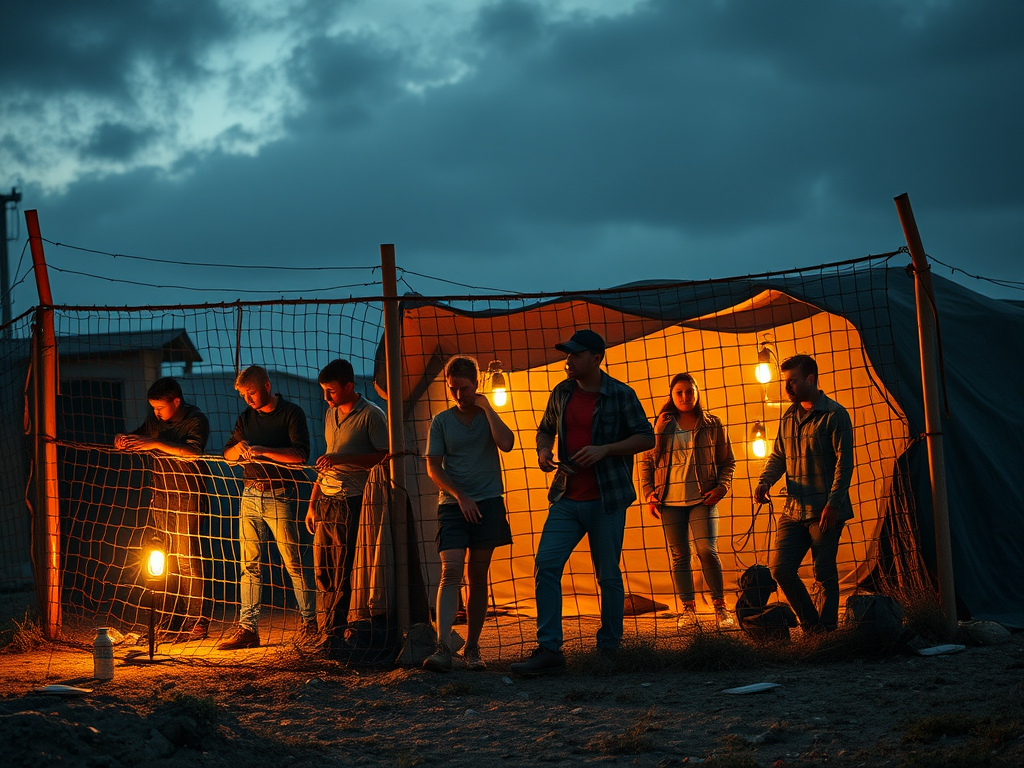
[Off-Grid Living Ideas] Barter Culture Gone Wild: I Traded a Jar of Pickles for a Goat and Regret Nothing
The content explores an off-grid economy driven by bartering, where items like pickles and ducks replace traditional currency. In this chaotic trade world, value is based on social dynamics rather than monetary worth. The narrative emphasizes the personal, unpredictable nature of barter, highlighting both its humor and emotional connections among participants.
You must be logged in to post a comment.