-
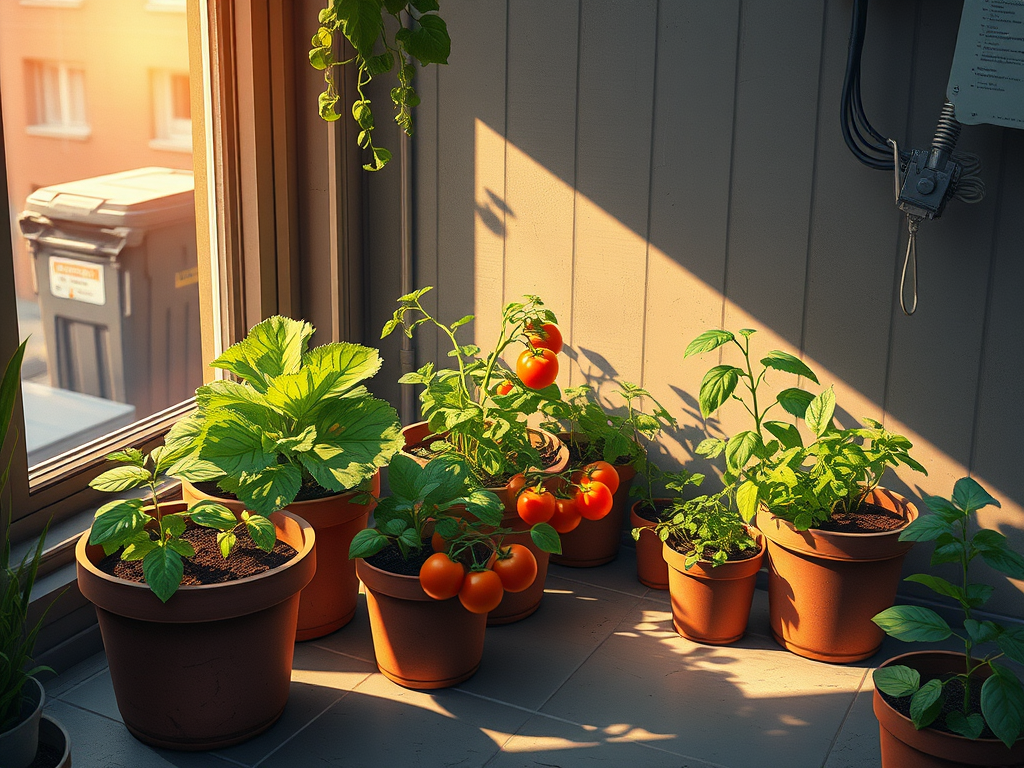
[Urban Homestead Ideas] The 6-Square-Foot Revolution: What I Grow in a City Apartment
“The Concrete Eden” advocates urban homesteading in small spaces, emphasizing food sovereignty and independence from supply chains. It highlights practical tips for growing food in limited areas, using simple tools and a mindset of resilience. The author shares personal experiences, underscoring the mental health benefits and empowerment gained through gardening.
-

[Urban Homestead Ideas] How I Make 3 Months of Pantry Food Fit in One Closet
The author discusses the importance of pantry prepping in urban settings, emphasizing that it enables self-sufficiency during grocery supply disruptions. They share practical storage tips and recommend essential shelf-stable foods, advocating for a thoughtful approach to managing food supplies to foster calm and preparedness without overwhelming space.
-
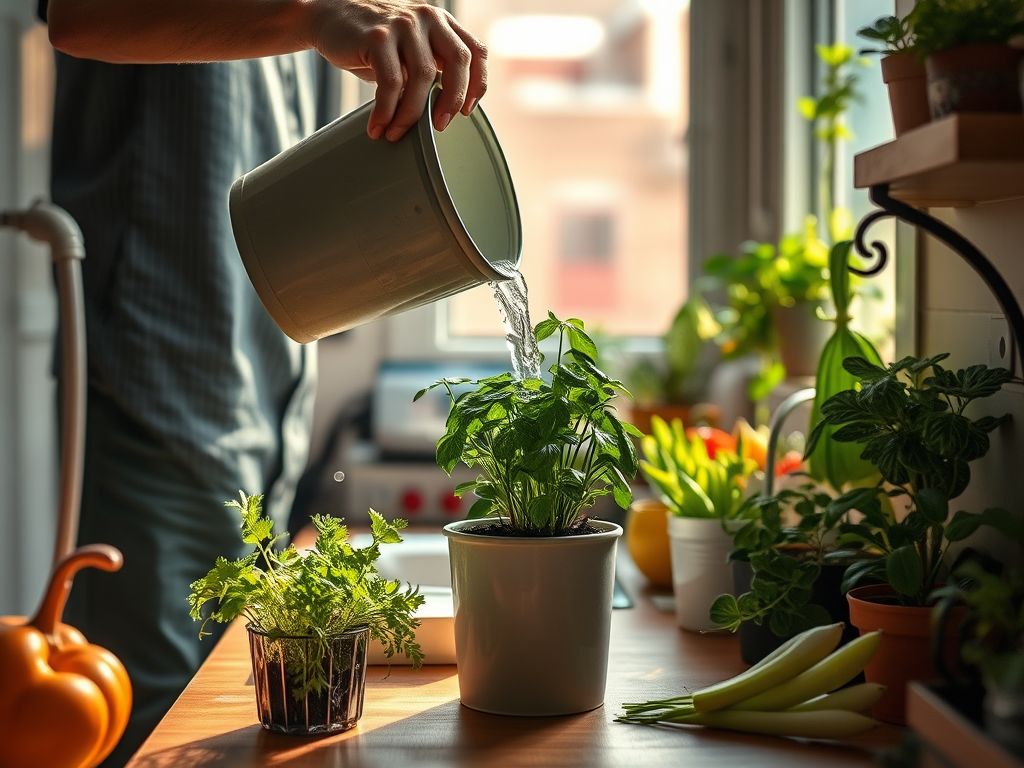
[Urban Homestead Ideas] Graywater Witchcraft: Reusing Water Without Losing Friends
Graywater reuse involves repurposing gently used water from sinks and showers for gardening, toilet flushing, and cleaning, avoiding toilet or dishwasher waste. While legalities vary by location, simple collection methods can significantly reduce water waste. Understanding plant compatibility and collecting used water fosters resourcefulness and awareness about water conservation.
-

[Urban Homestead Ideas] The Apartment That Ferments Together: Sauerkraut, Kombucha, and Controlled Chaos
The author shares their unexpected journey into fermentation, sparked by a desire to save cabbage. They highlight the benefits of fermenting, including improved gut health and unique flavors. The piece discusses various ferments, their successes and failures, and practical tips for fermenting in shared spaces, embracing the creative chaos of the process.
-

[Urban Homestead Ideas] The Beginner’s Guide to Urban Homesteading (Without Quitting Your Job or Alienating Your Landlord)
Urban homesteading is about fostering resilience and sustainability within city life, rather than requiring land or a complete lifestyle shift. It includes practices like growing food, composting, and water conservation, encouraging self-sufficiency. The focus is on practical skills and community connections, allowing individuals to thrive despite systemic challenges.
