-

[Almost Off-Grid Life] Ultimate Zero-Waste Kitchen Starter Kit: Simplify, Save, and Sustain Your Way Off the Grid
The piece emphasizes transforming kitchens into spaces of independence and sustainability, advocating for a zero-waste lifestyle. It introduces a curated Zero-Waste Kitchen Starter Kit featuring essential, multipurpose tools, durable storage, and eco-friendly cleaners. The focus is on reducing waste, minimizing dependency, and fostering a mindset of conscious consumption, enabling a revolutionary approach to kitchen living.
-
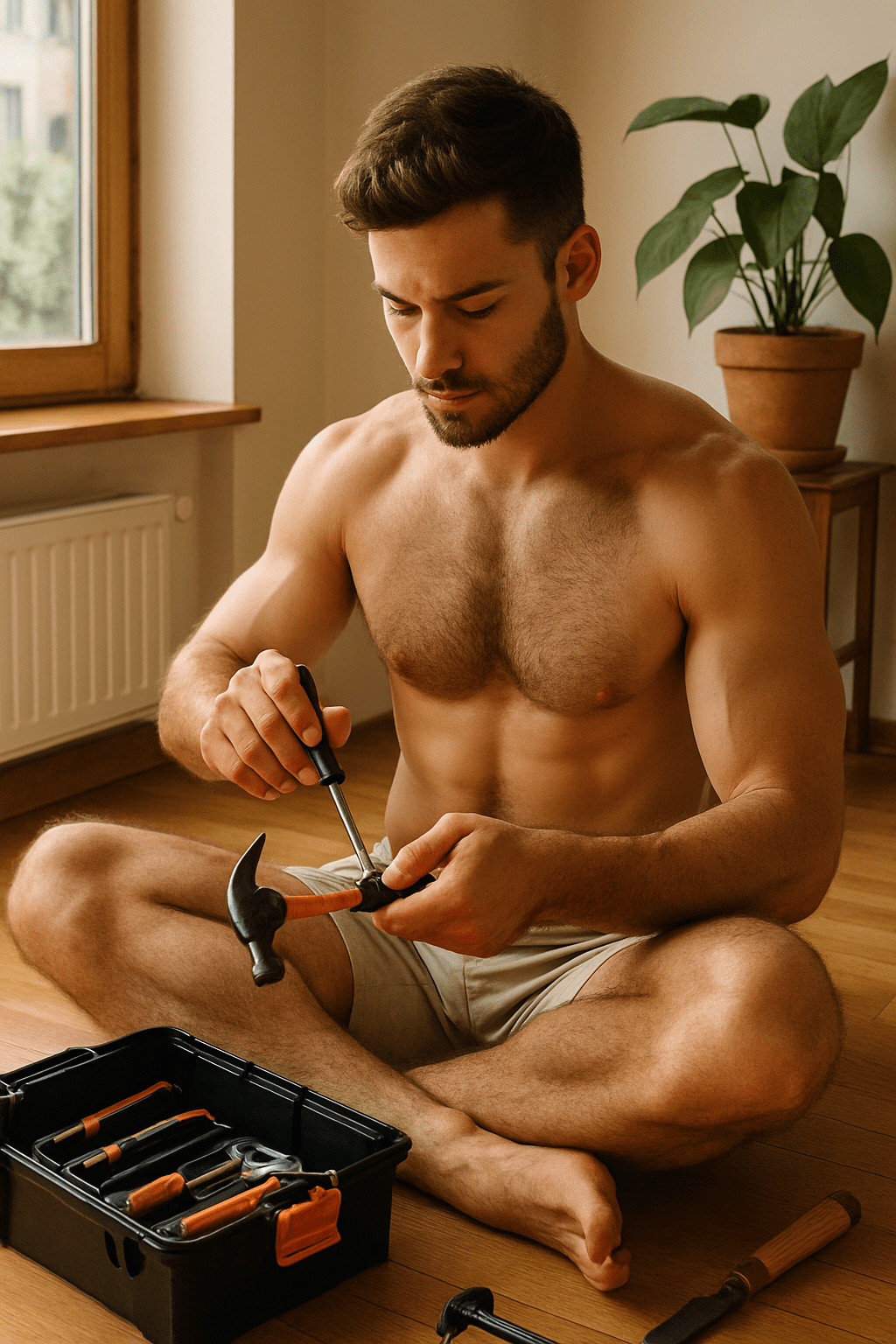
[Almost Off-Grid Life] Why I Keep a Manual Tool Kit in My Tiny Apartment (and Use It Weekly)
The author shares insights about living in a small apartment without traditional storage, emphasizing a simple manual tool kit that enables independence and mindfulness in home maintenance. The tools are valued for their quiet operation, lack of electrical reliance, and promotion of hands-on engagement, encouraging self-sufficiency even in urban settings.
-

[Almost Off-Grid Life] I Took My Solar Kit to a Rooftop Picnic — and It Powered More Than Just My Phone
Last Saturday, while enjoying a rooftop gathering with friends, I utilized my off-grid solar power kit to keep the atmosphere lively as technology failed us. This experience highlighted the importance of simplicity and self-sufficiency, emphasizing that everyday life can be enhanced with minimal tools for empowerment and freedom without relying on traditional power sources.
-

[Almost Off-Grid Life] What I Packed in My ‘Bug-In’ Backpack — And Why I Use It Even When I’m Home
The author reflects on creating a “Bug-In Bag” in response to a power outage, emphasizing emotional preparedness over physical survival. This kit fosters calm and confidence during emergencies, containing essential items like a flashlight and a water filter. It’s designed for anyone seeking freedom from anxiety, rather than fear of disaster.
-

[Almost Off-Grid Life] Why I Ditched My IKEA Desk for a Carpenter’s Workbench — and Never Looked Back
The author recounts a transformative experience when their desk collapsed, symbolizing the fragility in life. This incident sparked a desire for a more solid, purposeful workspace, leading to the discovery of carpenter’s workbenches. These surfaces represent a mindset shift towards creativity and intentional living, encouraging deeper engagement with one’s environment.
