-

[Almost Off-Grid Life] The $40 Water Setup That Changed My Relationship With the Tap
The author embarked on a 10-day project to control water usage, initially finding it inconvenient. As the days progressed, this manual process fostered greater awareness and appreciation for water, transforming daily habits and attitudes. The experience highlighted the simplicity of building discipline and independence without advanced tools.
-

[Almost Off-Grid Life] My Shower Broke, So I Went Primitive (And Stayed That Way for a Month)
When a plumbing issue forced a change in hygiene routine, the author embraced the challenge, transforming cold bucket showers into a mindful ritual. This experience led to a deeper respect for water, reduced reliance on products, and a philosophical shift about modern conveniences. Ultimately, primitive hygiene became a conscious choice for well-being.
-

🏕[Off-Grid Starter Kit] Water Without Plumbing — My DIY Rain Catchment & Filter System
The article details a DIY rainwater catchment system for an off-grid cabin, addressing water scarcity challenges. Key components include a food-grade barrel, diverter kit, mesh screen, and filters. The total cost is under $80, while maintenance tips and lessons learned are shared to help improve setups. Future improvements are also suggested.
-
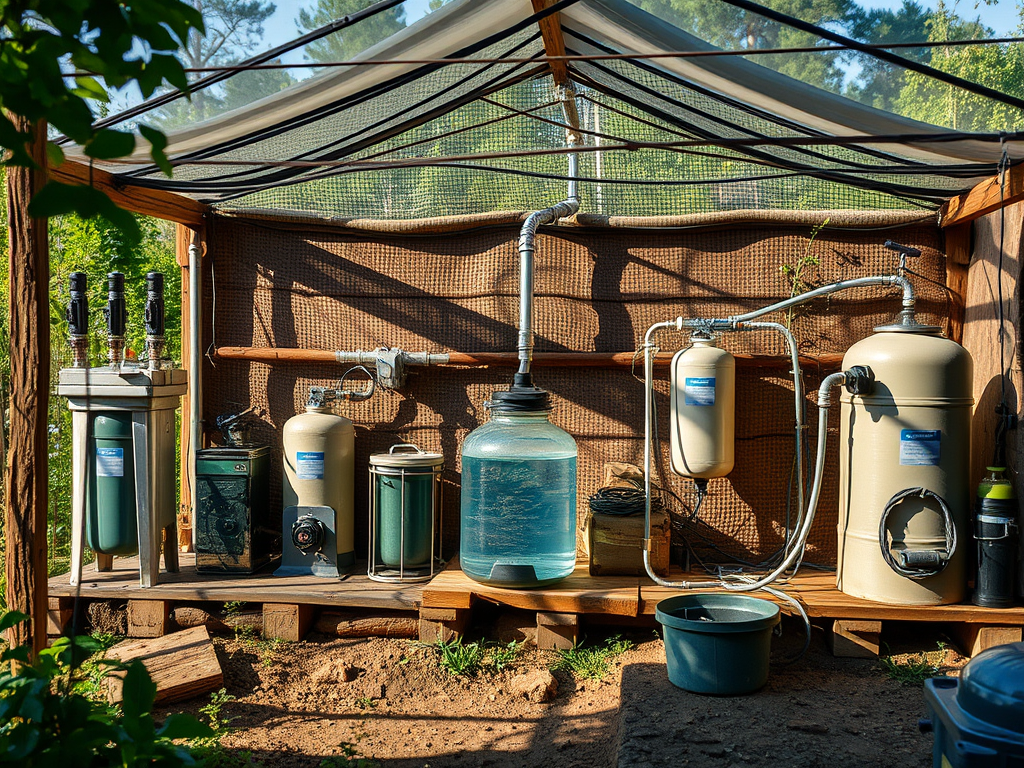
[Advanced Apocalypse Survival Handbook] Advanced Water Engineering — “Filtration, Irrigation & Storage That Outlast Civilization”
This guide teaches building off-grid water systems essential for survival and agriculture, emphasizing low-cost filtration, rain catchment, and irrigation methods. It outlines three tiers of water systems, core design principles, storage options, and essential roles for maintenance. Redundant designs enhance efficiency, emphasizing the value of saved resources.
-
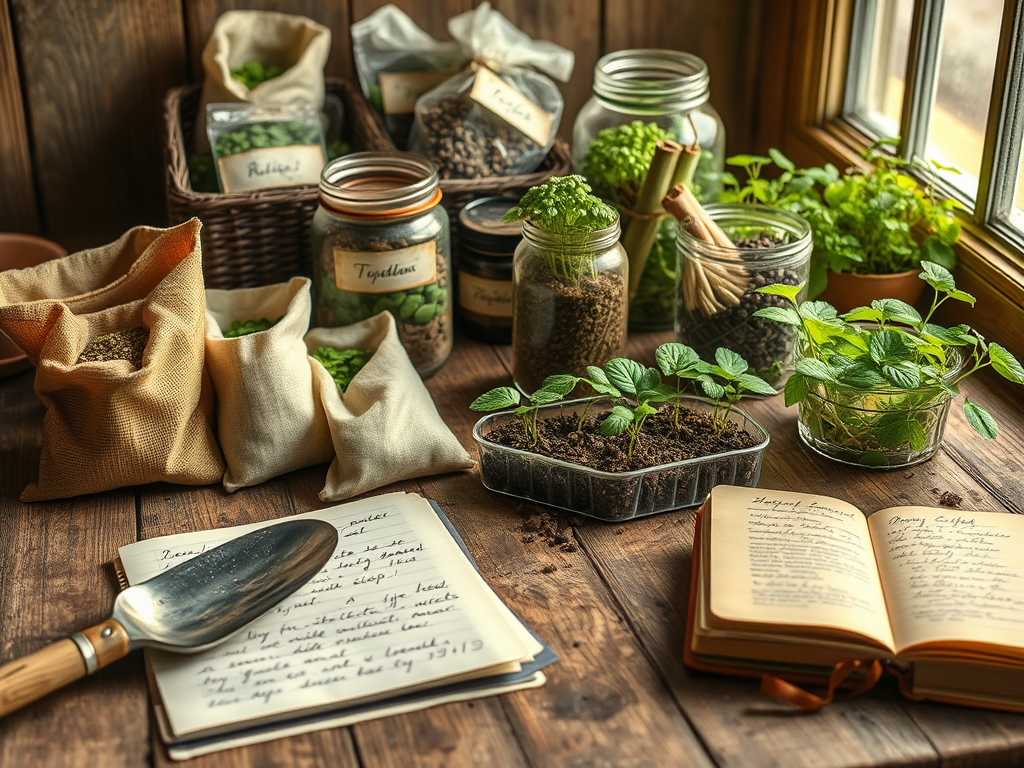
[Low-Budget Apocalypse Survival Handbook] WATER SECURITY — “The First 72 Hours and Beyond”
The guide emphasizes water as the top survival priority, providing strategies to secure, purify, and store water on a tight budget. It details immediate actions during disasters, affordable storage options, purification methods, sourcing techniques, group management, and common mistakes to avoid. A shopping list for essential items is included, costing approximately $150.
