-
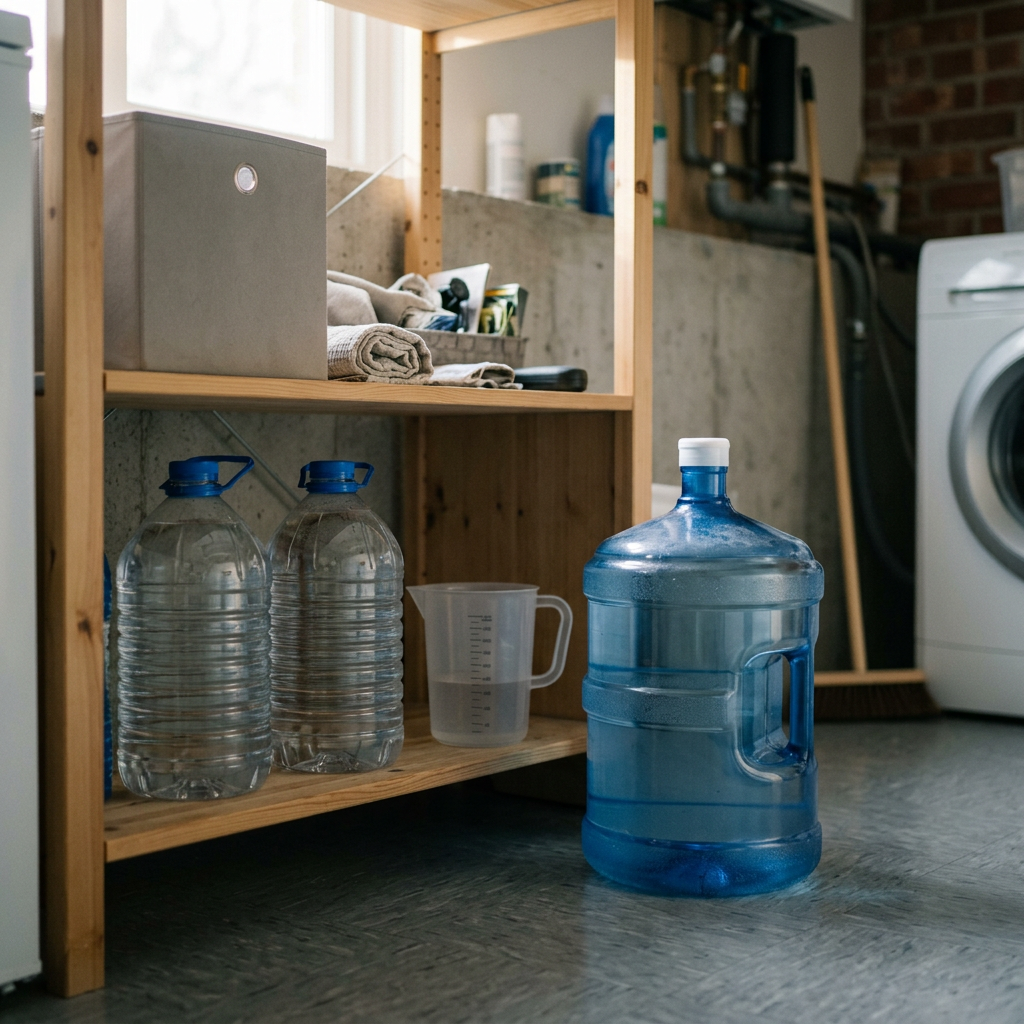
[72-Hour Check] How much water to store in an apartment?
Water is essential for survival, yet many households struggle to store adequate amounts. For emergency preparedness, storing nine liters per person for three days is recommended, fitting easily under beds or in wardrobes. Commercial bottled water is preferred for ease of use. In emergencies, households still have accessible water sources like hot water tanks and…
-

[Off-Grid Step-by-Step] Designing Your Off-Grid Setup: Power, Water, Shelter, and Waste—Done Right
This guide offers essential steps for effective off-grid living, emphasizing careful planning to avoid mishaps like improper waste management. It details the importance of solar energy, water access, waste systems, and efficient layout. Smart design ensures a functional and sustainable homestead, keeping natural elements in mind for long-term success.
-
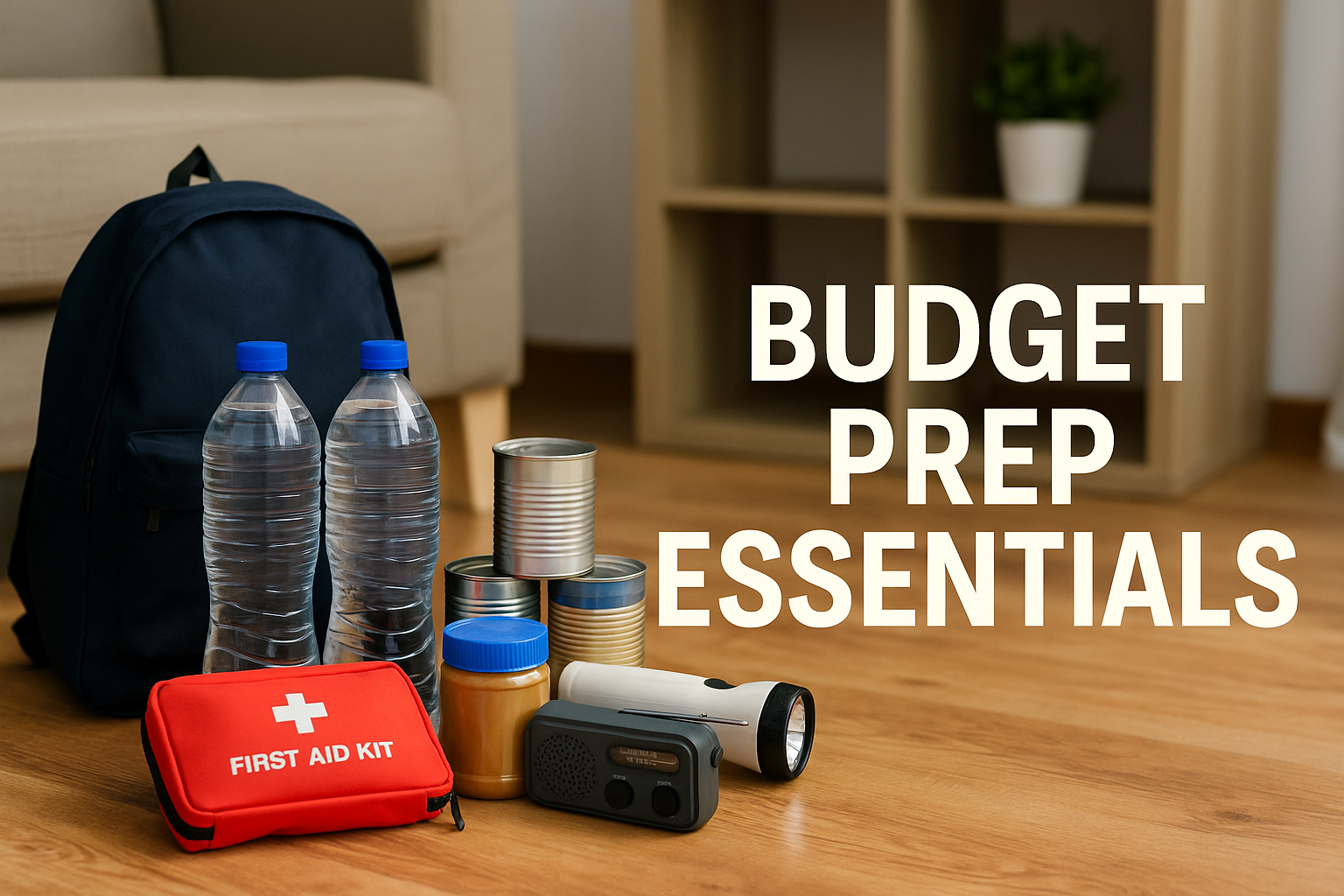
[Low-Budget Prepping Guide] “Water, Water, Everywhere (But Not If You’re Unprepared)”
This guide instructs beginners on securing emergency water supplies, emphasizing its critical importance for survival. It covers storage methods, purification techniques, and potential crisis water sources. Key recommendations include storing ample water, utilizing effective filtration, and regularly rotating supplies, along with actionable steps to ensure access to clean water.
-
[Off-Grid Beginner Guide] What No One Tells You About Off-Grid Water: Until You’re Thirsty and Crying, also known as “The part where you realize water is more important than your $900 solar fridge”
Going off-grid requires careful planning for water, which is essential for survival and daily activities. Options include wells, rainwater catchment, and surface water, each with distinct pros and cons. Filtration is crucial, and daily water needs are significant. Preparation for winter and greywater reuse are important considerations. Prioritize water logistics to avoid dangerous situations.
-

[TAP OFF] The High-Rise Toilet Crisis: Surviving the First 72 Hours Without a Flush
In the event of a prolonged water outage, maintaining sanitation is essential. Rather than flushing toilets, implement a Twin-Bucket System separating liquid and solid waste. This method prevents dangerous sewer backups and manages waste through simple materials, ensuring safety and odor control by applying chemical principles of waste separation.
You must be logged in to post a comment.