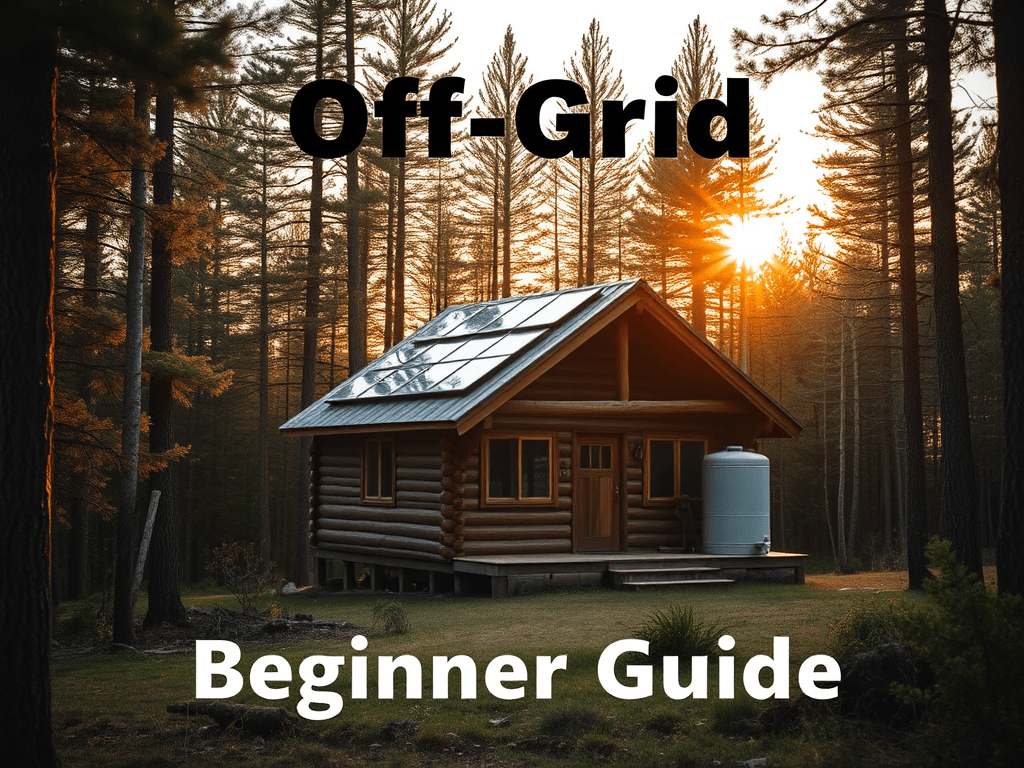
“Here it is—[Off-Grid 101: Beginner Guide #8], your culinary coming-of-age tale. This is for the off-grid hopefuls who think cooking without a microwave is “quaint” until they meet their first stubborn fire and undercooked beans. Because nothing says “independent adult” like trying to make pancakes on an open flame while questioning all your life choices.”
When you go off-grid, you don’t just leave behind your electric bill—you also leave behind modern kitchen luxuries. No more preheating an oven with a button. No more rice cookers, instant pots, or beeping microwaves that gently judge you.
You now cook with fire. Literally. Welcome to the thrilling, slightly dangerous world of off-grid cooking, where you’ll develop a deep relationship with cast iron—and an even deeper fear of running out of propane.
1. Your Cooking Options (Ranked by How Likely They Are to Make You Cry)
🔥 Wood Stove
- Pros: Heats your home and your soup. Romantic and rustic.
- Cons: Slow, smoky, and requires constant babysitting. You will burn at least one meal while “just stepping outside.”
Great for stews, eggs, and dramatic monologues.
🔥 Rocket Stove
- Pros: Insanely fuel-efficient, runs on twigs, great for emergencies or minimalist cosplaying.
- Cons: Outdoor-only unless you like carbon monoxide. Also, no one knows how to actually use one well.
Great for boiling water, cooking beans, and proving you’re off-grid enough to suffer on purpose.
🔥 Propane Stove
- Pros: Familiar, fast, reliable. Still works when your solar battery taps out from emotional exhaustion.
- Cons: You have to keep buying/refilling tanks. And if it leaks… boom.
This is what 90% of off-grid people use, even if they pretend everything is cooked over a fire pit and tears.
🔥 Solar Oven
- Pros: Free energy. Zero emissions. Excellent for dehydrating, baking, or impressing naive visitors.
- Cons: Useless on cloudy days. Also: slow.
You’ll try it once, forget it outside, and rediscover it when a raccoon’s living in it.
2. Tools You Actually Need
Your kitchen should look like it belongs to a pioneer or an angry survivalist. No power = no gadgets. No gadgets = actual cooking.
Must-haves:
- Cast iron skillet (doubles as weapon and emotional support)
- Dutch oven (for soups, stews, bread, and bad decisions)
- Sharp knife (that you will use for everything)
- Manual can opener (you will forget this once and never again)
- Grater, tongs, stirring spoon (wood or metal—plastic will melt and betray you)
Everything else is a luxury item. Fight me.
3. The Learning Curve: Steep, Smoky, and Deliciously Humbling
You will:
- Burn pancakes
- Undercook rice
- Forget to soak beans
- Run out of propane halfway through a chili
- Question whether sourdough is worth the effort (it isn’t, but you’ll try anyway)
But eventually, you’ll learn:
- How to build a cooking fire with one match and judgment
- How to make soup out of literally anything
- How to cook with instinct (and also a meat thermometer)
4. Food Storage Off-Grid: Aka “Everything Goes Bad Faster”
Without a full-size fridge, you’ll learn about:
- Coolers (with ice you have to find or make)
- Root cellars (not just for horror movies)
- Dry goods (beans, rice, oats, pasta—aka the Off-Grid Food Pyramid)
- Canning (yes, you’re now that person)
Say goodbye to frozen pizzas. Say hello to panic chili and survival oatmeal.
5. Cooking Outside in Winter: Character-Building, Mostly Miserable
Wind, snow, rain—your enemies. Cooking outside in bad weather is where confidence goes to die.
Pro tips:
- Build a windbreak or cover for your outdoor cook area
- Use dry wood (ha. good luck.)
- Learn to eat cold beans with grace
Final Thought
Off-grid cooking is part art, part science, part campfire therapy session. You’ll mess up. You’ll burn your tongue. You’ll forget that lentils take 47 years to cook if you skip soaking.
But over time, you’ll learn to make meals that nourish your body and your stubborn, off-grid soul. All without a microwave. Or dignity.

Leave a comment