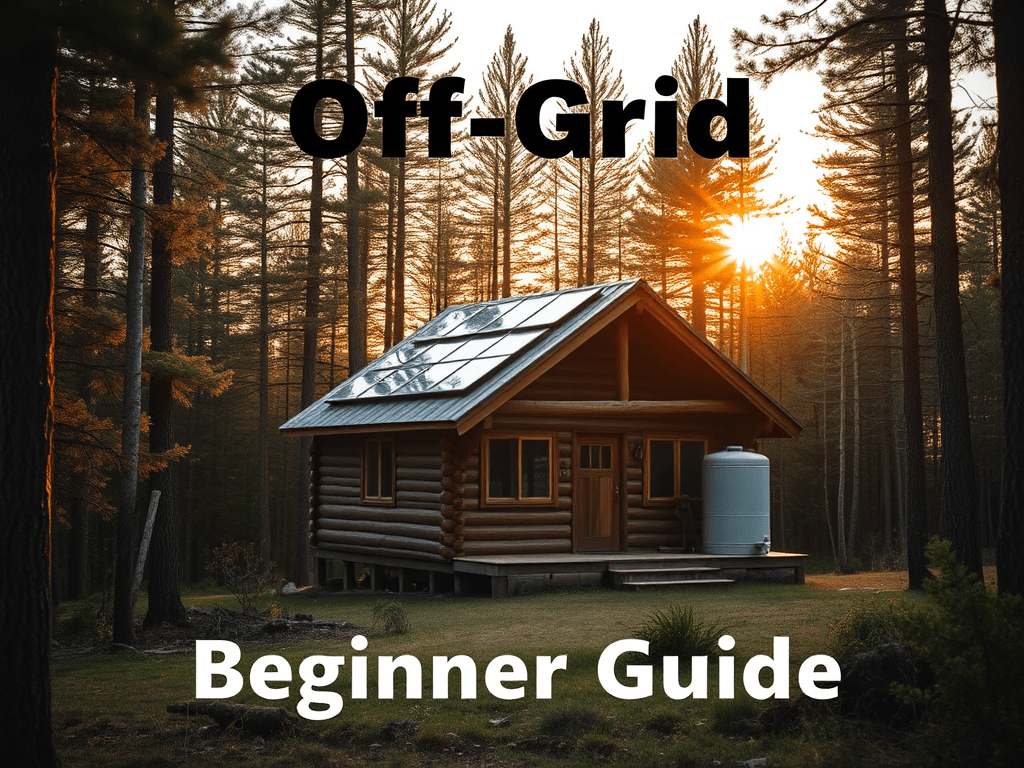
[Off-Grid 101: Beginner Guide #2]
Off-grid living blogs love to show you $200K cabins with Scandinavian saunas and solar panels that look like a spaceship. That’s cute. But what if you’re just trying to not die in the woods while figuring out if this lifestyle is for you?
This is the bare-bones, no-fluff, beginner-approved guide to what you actually need to go off-grid—and survive with at least a whisper of dignity.
1. Shelter (Yes, a Real Roof)
You need a structure that doesn’t leak, collapse, or attract bats. This can be a:
- Small cabin or shed
- RV or camper van
- Yurt (if you’re spiritually adventurous)
- Tent (but only if you also enjoy suffering)
Must-haves:
- Insulation
- Solid roof
- Lockable door
- Somewhere to store food that animals can’t access unless they have thumbs
2. Water Supply (AKA the Thing You’ll Miss Most)
You can’t just vibe your way through dehydration. Water is the single most critical part of off-grid living.
Options:
- Well (expensive but ideal)
- Rainwater catchment (legal in some places, not in others because society is weird)
- Nearby clean water source (river, spring—but you must filter it)
Must-haves:
- Water containers (50+ gallons minimum)
- Water filtration system (gravity-fed or pump filter)
- A way to heat water if you don’t want to shower in existential dread
3. Power (Or Accept Your Amish Destiny)
You need power unless you’re aiming for full 1800s cosplay.
Starter setup:
- A small solar kit (panels + inverter + charge controller + battery)
- Generator (as backup or primary for cloudy panic)
This won’t power your PS5, Karen. Just your lights, water pump, and possibly a small fridge.
4. Heat (So You Don’t Die in a Blanket Burrito)
Unless you’re in a tropical climate, you need heat. Because cold will find you, and it will laugh.
Options:
- Wood stove (reliable, romantic, requires firewood and constant ash-hauling)
- Propane heater (easier, but you’ll be refilling tanks constantly)
Bonus tip: Insulation is not optional. Neither is a carbon monoxide detector. Unless you’re into that whole “perish in your sleep” aesthetic.
5. Food (Because You’re Not a Forest Elf Yet)
Unless you’re already homesteading, your first food strategy should be storage.
Minimum supplies:
- 2–4 weeks of shelf-stable food (beans, rice, oats, canned stuff, judgmental granola)
- Propane or rocket stove
- Cast iron pan, one pot, and the will to survive
You can grow food later—after your nervous system adjusts to raccoons tapping on the windows.
6. Toilet Setup (Trust Me, Plan This Early)
Do not wait until your first emergency to decide where you’ll poop.
Beginner-friendly options:
- Composting toilet (commercial or DIY bucket system)
- Pit latrine (requires planning, not a last-minute digging frenzy)
- Sawdust toilet (weirdly elegant, if you’re into that)
Make it sanitary. Make it legal. Do not anger the local health department.
7. Communication (Because You’ll Probably Panic)
You might be off-grid, but you’re still mortal. You need some way to reach help or at least order more duct tape.
Options:
- Satellite phone or device (for emergencies)
- Cell booster + prepaid phone (if you’re near a cell zone)
Don’t assume nature will gently cradle you just because you brought a compostable toothbrush.
Final Thought
The bare minimum isn’t glamorous. It won’t go viral. But it will keep you alive, warm, and slightly less feral while you figure out if this lifestyle is freedom—or just glorified camping with more responsibility and fewer snacks.
Start small. Get practical. Forget the Pinterest fantasy cabin. And never underestimate the power of clean water, a good coat, and a well-placed bucket.
[Join the Community to explore our free Resource Base]

Leave a comment