[Off-Grid Starter Kit] Series #3
Which lanterns and power banks actually keep you lit off-grid? Here’s my brutally honest review after 30 nights with the top solar lights and batteries — what worked, what failed, and what I’ll pack every time.
The Realities of Off-Grid Lighting
Sunset in the city? You barely notice. Sunset off-grid? You feel it.
When I first moved into my cabin, I thought a flashlight was enough. I was wrong. For comfort, safety, and sanity, you need serious lighting—and backup power.
What I Tested (And Why)
1. Solar Camping Lanterns
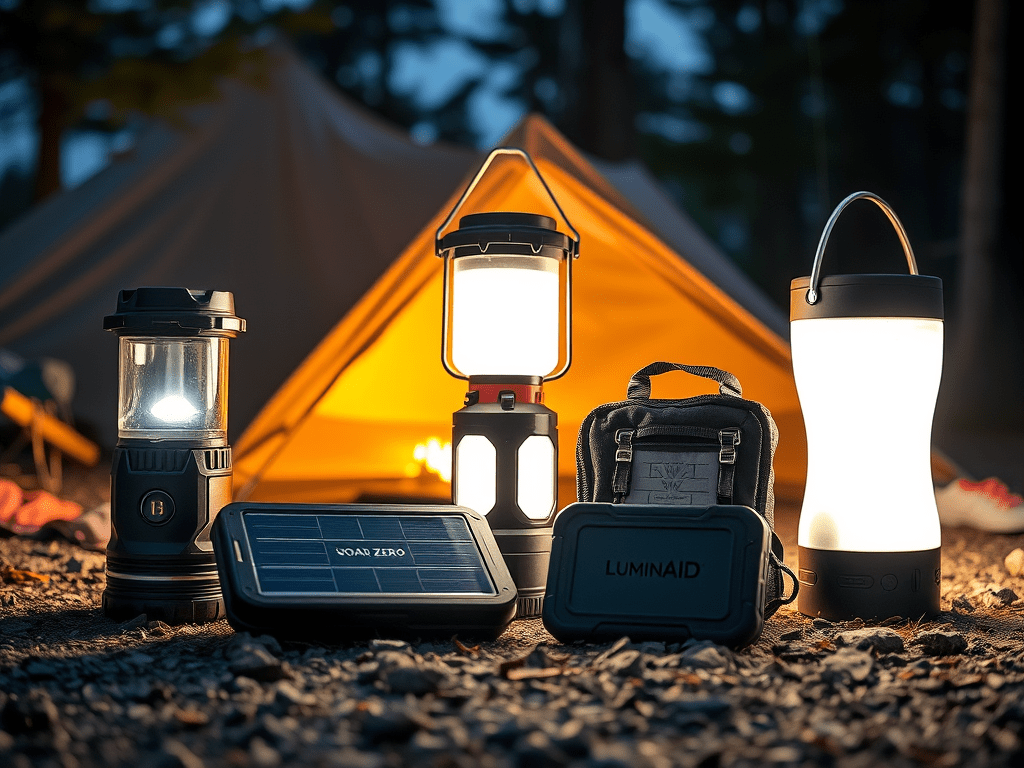
- Model 1:Vont LED Camping Lantern
- Bright, easy to hang, USB-rechargeable, super affordable.
- Model 2:Goal Zero Crush Light Solar Lantern
- Solar + USB charge, collapsible, softer light (great for reading).
- Model 3:LuminAID PackLite Max
- Inflatable, floats, doubles as phone charger, solar + USB.
2. Battery Banks
- Anker PowerCore 10000 (Amazon Link)
- Kept my phone, lanterns, and even a tiny USB fan running for days.
- Goal Zero Venture 35 (Amazon Link)
- Rugged, waterproof, solar-rechargeable, heavier but off-grid-ready.
Field Test: 30 Nights, 3 Lanterns, 2 Banks
First Impressions
- The Vont lanterns were blindingly bright — lit up my whole main room. But the light is harsh (best for tasks, not mood).
- The Goal Zero Crush gave off a cozy glow — perfect for winding down or reading in the corner.
- The LuminAID doubled as emergency charger and even floated in my rain barrel (not planned!).
Battery Banks
- The Anker bank was my daily driver — light, reliable, and charged everything fast.
- The Goal Zero was overkill for summer, but a lifesaver during rainy weeks (solar panel topped it up slowly, but it never failed).
Real-Life Lessons
- Solar is slow.
Most solar lanterns need full sun, all day, for a complete charge. Cloudy week? Rely on USB backup! - You’ll use more light than you think.
Cooking, reading, trips to the outhouse—all need reliable lighting. - Rotation is key.
I kept two lanterns charging while one was in use. - Headlamps are underrated.
Not sexy, but a must for hands-free tasks.
What Worked, What Didn’t
| Product | Pros | Cons | Verdict |
|---|---|---|---|
| Vont LED Camping Lantern | Ultra-bright, cheap, USB, lasts all night | Harsh light, not dimmable | Best for tasks |
| Goal Zero Crush Light | Warm light, solar, collapsible | Lower brightness, slow solar charge | Best for mood/reading |
| LuminAID PackLite Max | Floats, solar, USB out, emergency charger | Bulky, expensive | Best for emergencies |
| Anker PowerCore 10000 | Fast, light, reliable | Needs USB input, not solar | Best all-round bank |
| Goal Zero Venture 35 | Rugged, solar, waterproof | Heavy, slow solar charge | Best for bad weather |
Pro Tips
- Always pack at least two light sources — one for backup.
- Use carabiners or paracord to hang lanterns high for better room coverage.
- Invest in rechargeable AA/AAA batteries for flashlights/headlamps.
Recommended Gear
- Vont LED Camping Lantern
- Goal Zero Crush Light
- LuminAID PackLite Max
- Anker PowerCore 10000 Battery Bank
- Goal Zero Venture 35
- Best Rechargeable Headlamp
What I’ll Always Pack
After a month, my go-to kit is:
- 1 Vont lantern for work
- 1 Crush Light for reading/bedtime
- 1 Anker battery bank
- 1 headlamp (can’t live without it)
Community Wisdom
What’s your favorite off-grid light or power hack?
Share your recommendations, photos, or fails in the comments — or post them on r/BasisLand. The best tips will be featured in our next update!
Next up: What I’d Do Differently After 1 Month Off-Grid: Lessons From Real-World Living
Missed earlier [Off-Grid Starter Kit] Series? #1 Under $200 Budget Experiment | #2 Rain water catchment system

Leave a comment