-
[Off-Grid Beginner Guide] How to Stay Warm Off-Grid Without Accidentally Burning Down Your Shelter
The guide emphasizes the harsh realities of off-grid living, particularly the importance of staying warm. Key points include proper insulation, effective wood stove usage, and alternative heating options. Layering clothing for warmth is essential, as is ensuring fire safety. Ultimately, successful off-grid survival requires preparation and adaptability, not just cozy aesthetics.
-
[Minimalist Kitchen Essentials] Durable Over Disposable — Products That Last a Lifetime
The author shares essential, durable kitchen tools suited for an off-grid lifestyle, emphasizing longevity and sustainability. Key items include a cast iron skillet, a Victorinox chef’s knife, stainless storage containers, and metal utensils. Transitioning from disposable to enduring tools has simplified meal preparation, reduced waste, and created peace of mind in a compact kitchen.
-
[Minimalist Kitchen Essentials] What’s Really Essential? The 10 Kitchen Tools I Actually Use Every Day
To cook healthy meals off-grid with a minimalist approach, I narrowed my kitchen tools to just ten essentials, including a good chef’s knife, cast iron skillet, and stainless pot. Ditching unused gadgets enhanced my cooking enjoyment, emphasizing creativity and durability. I learned that fewer, high-quality tools lead to better meals.
-
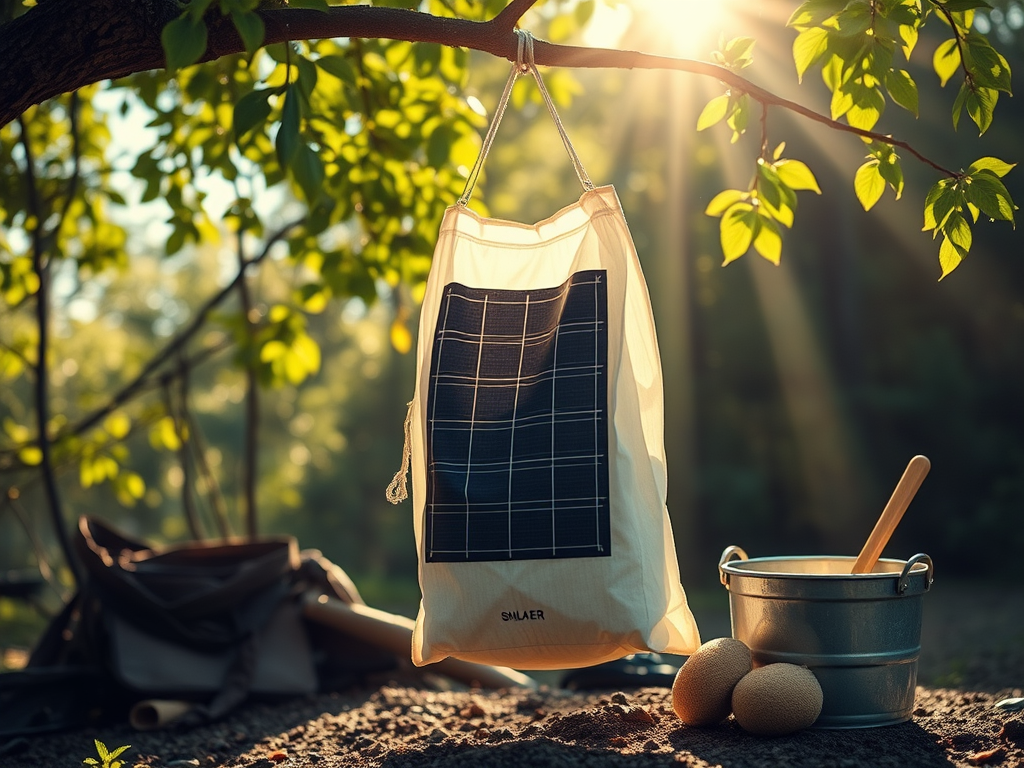
[Off-Grid Bathroom] How to Shower Without Running Water (And Still Feel Clean)
This content discusses practical off-grid shower solutions that conserve water and energy while maintaining cleanliness. The author shares three main methods: using a solar shower bag, a no-rinse wipe-down, and an outdoor bucket bath. Transitioning away from traditional plumbing has provided freedom, reduced water usage, and fostered a sustainable lifestyle.
-
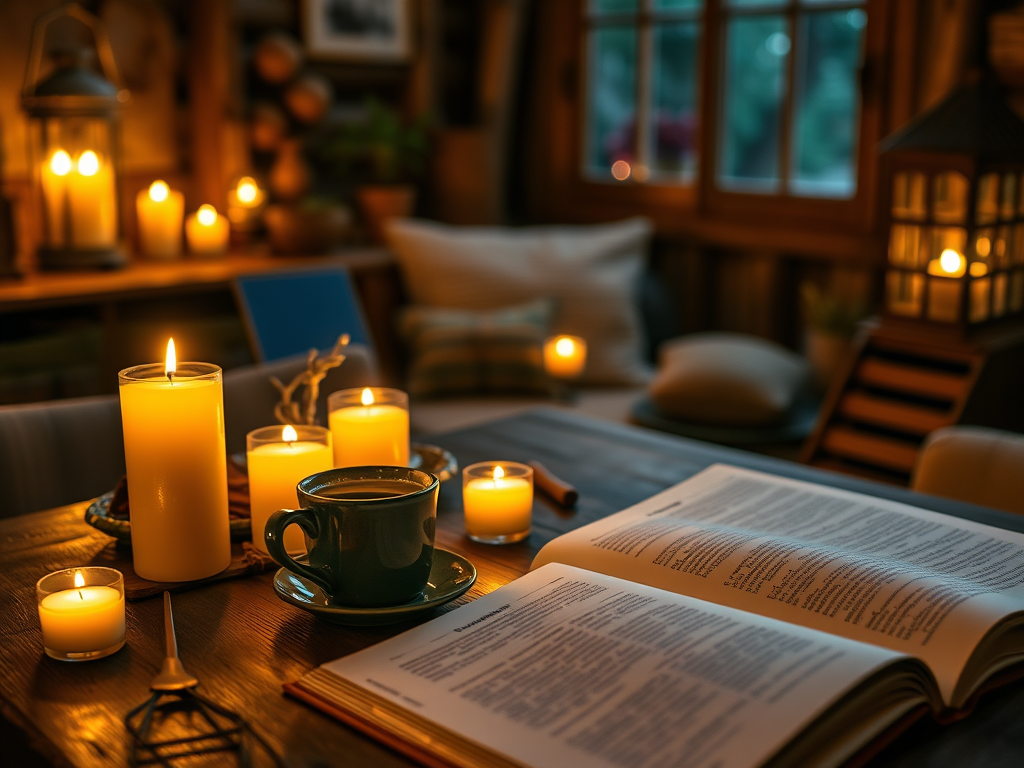
[Almost Off-Grid Life] Powerless Nights, Peaceful Mornings: My Month Without Artificial Light
The author describes a 30-day experiment eliminating artificial light after sundown, motivated by a desire for peace rather than health. Initially challenging, the experience led to improved sleep, morning calmness, and enhanced creativity. The shift fostered deeper connections to natural rhythms and established boundaries that contributed to personal freedom and well-being.
You must be logged in to post a comment.