-

[Off-Grid Year Three] Homestead Medicine: What to Do When You’re Bleeding and Google Has No Signal
Homestead medicine emphasizes the importance of self-reliance in medical care without easy access to urgent care. Building a comprehensive first-aid kit, knowing common injuries, learning medical skills, stocking essential medications, and creating emergency protocols are crucial steps. Mental health is equally important, as managing stress is vital for overall well-being in remote living.
-

[Off-Grid Beginner Guide] How to Stay Warm Off-Grid Without Accidentally Burning Down Your Shelter
The guide emphasizes the harsh realities of off-grid living, particularly the importance of staying warm. Key points include proper insulation, effective wood stove usage, and alternative heating options. Layering clothing for warmth is essential, as is ensuring fire safety. Ultimately, successful off-grid survival requires preparation and adaptability, not just cozy aesthetics.
-

[Off-Grid Beginner Guide] How to Build a Shelter That Won’t Collapse, Leak, or Attract Bears: Get ready. You’re about to learn why your Pinterest cabin sketch is probably just a cute coffin.
This guide emphasizes the essentials of constructing a sturdy off-grid cabin, prioritizing survival over aesthetics. Key considerations include choosing an appropriate site, establishing a solid foundation, ensuring insulation and ventilation, implementing effective roofing, and bear-proofing. Ultimately, focus on durability and safety rather than romantic notions of cabin life.
-

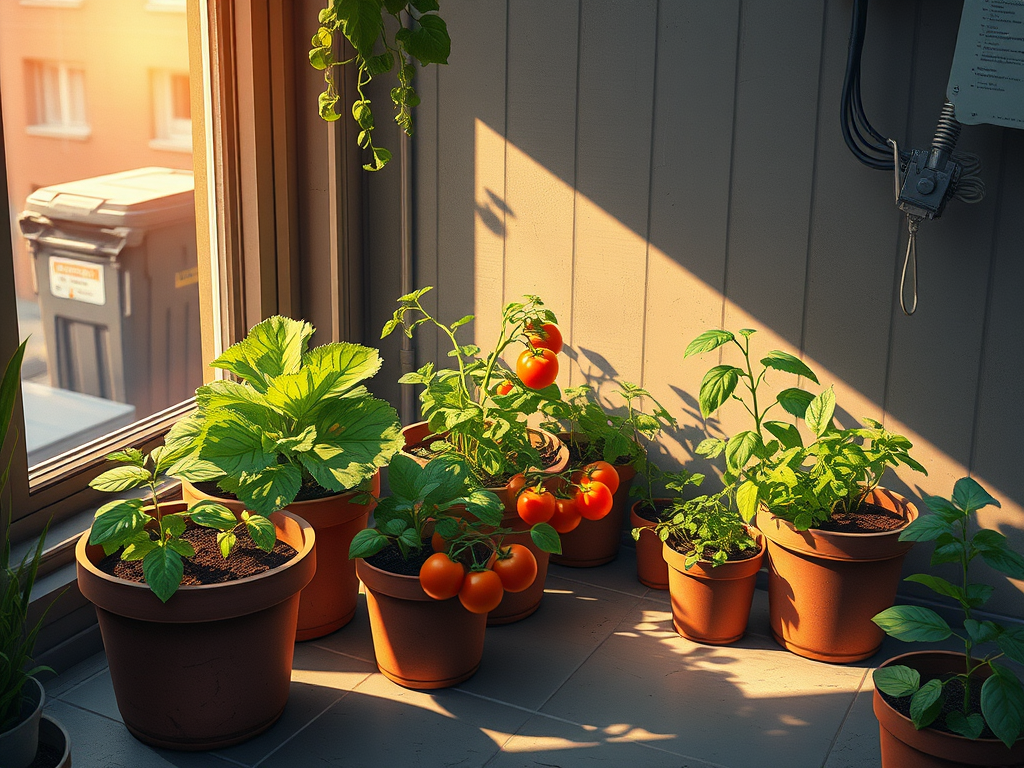
[Urban Homestead Ideas] The 6-Square-Foot Revolution: What I Grow in a City Apartment
“The Concrete Eden” advocates urban homesteading in small spaces, emphasizing food sovereignty and independence from supply chains. It highlights practical tips for growing food in limited areas, using simple tools and a mindset of resilience. The author shares personal experiences, underscoring the mental health benefits and empowerment gained through gardening.
-

[Almost Off-Grid Life] What I Packed in My ‘Bug-In’ Backpack — And Why I Use It Even When I’m Home
The author reflects on creating a “Bug-In Bag” in response to a power outage, emphasizing emotional preparedness over physical survival. This kit fosters calm and confidence during emergencies, containing essential items like a flashlight and a water filter. It’s designed for anyone seeking freedom from anxiety, rather than fear of disaster.