-
[Almost Off-Grid Life] Weekend as Wilderness: Turn Off Notifications, Disconnect, and Reconnect
The author describes a 48-hour digital detox in their apartment, focusing on self-reflection and quiet. Without screens or outside interaction, they engaged in activities like journaling and candlelit meals to reclaim mental space. This ritual counters modern overstimulation, aiming to reconnect with one’s inner thoughts and needs.
-

[Almost Off-Grid Life] Rainwater Catchment… From My Roof in the City
The author recounts their experiment of collecting 3.5 gallons of rainwater from their apartment roof during a storm, driven by curiosity rather than necessity. With a makeshift setup costing $25, they successfully harvested and filtered the rainwater. This experience underscores the feasibility and importance of urban rainwater collection.
-
[Almost Off-Grid Life] Why I Ditched My IKEA Desk for a Carpenter’s Workbench — and Never Looked Back
The author recounts a transformative experience when their desk collapsed, symbolizing the fragility in life. This incident sparked a desire for a more solid, purposeful workspace, leading to the discovery of carpenter’s workbenches. These surfaces represent a mindset shift towards creativity and intentional living, encouraging deeper engagement with one’s environment.
-

[Off-Grid in the City] Luxury Is a Lie: Redefining Comfort for the Era Ahead
The content emphasizes that true comfort arises from preparation and emotional resilience rather than convenience or material excess. It distinguishes between modern and resilient comfort, urging readers to redefine comfort through self-reliance, emotional connections, mental preparedness, and relational ties. A “comfort audit” is suggested to enhance awareness and skills.
-
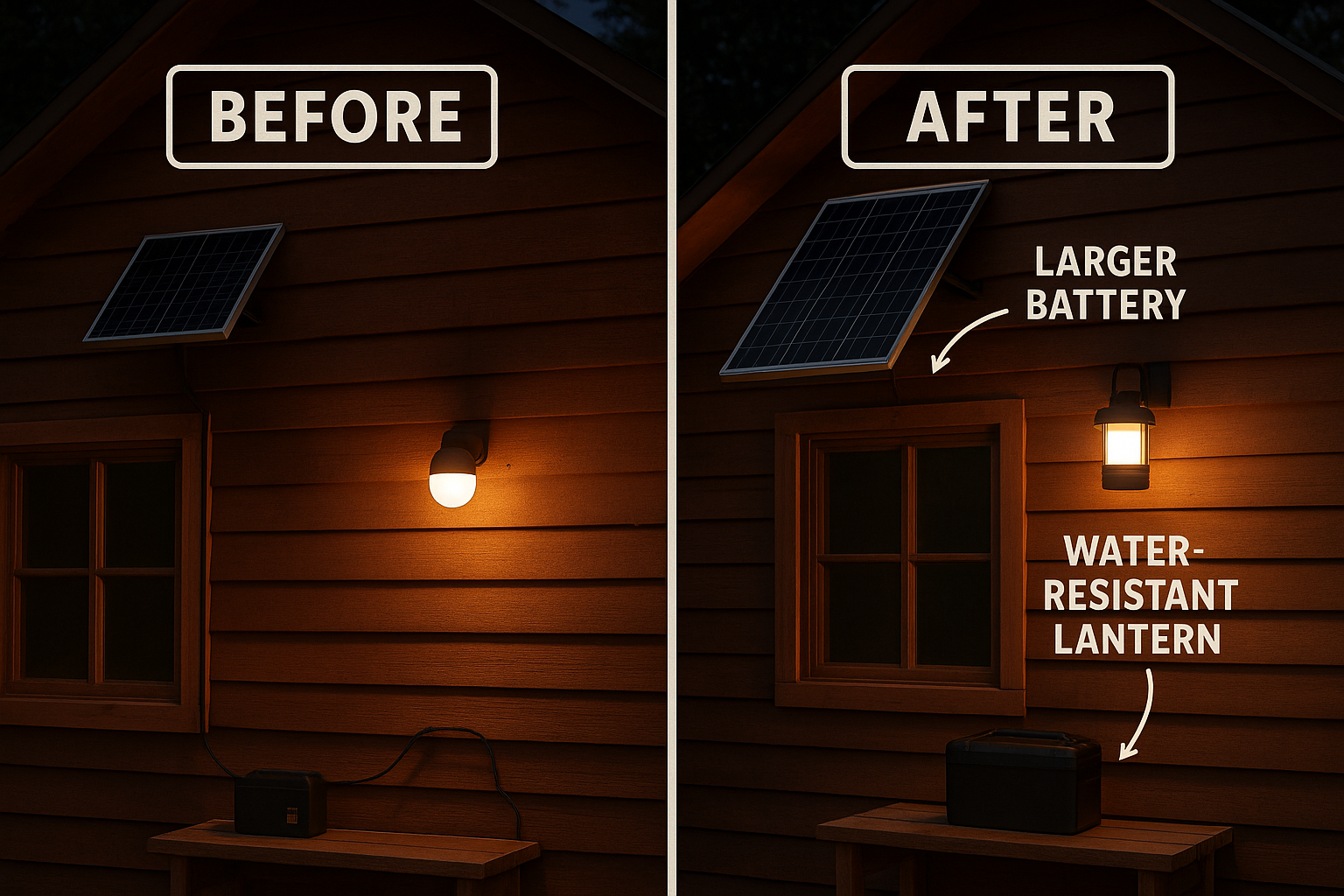
🏕[Off-Grid Starter Kit] What I’d Do Differently After 1 Month Off-Grid: Lessons From Real-World Living
After a month off-grid, key insights emerged: water consumption exceeded expectations, and quality lighting enhances morale. Essential gear included a backup water filter and rechargeable headlamp, while a camp shower and manual coffee grinder proved unnecessary. Community feedback highlighted durable items and emphasized learning through experience. Simplifying gear and maintenance is crucial.
You must be logged in to post a comment.