-

[Minimalism Lifestyle] Why I Stopped Saying “Maybe I’ll Need This Someday”
The phrase “Maybe I’ll need this someday” fosters clutter and indecision, often serving as a justification for holding onto unnecessary items. By breaking this cycle through critical questioning and embracing the present, one can achieve mental clarity, emotional energy, and physical space, enhancing overall quality of life.
-

[Minimalism Lifestyle] How I Use One Cup and Fork for Everything
The author embraces minimalism by owning just one cup and one fork, highlighting the liberation and clarity it brings. They argue that fewer items lead to less clutter, mental peace, and intentional living. While acknowledging the practicality of their choices, they humorously suggest others may hesitate to adopt this lifestyle.
-

[Minimalism Lifestyle] Minimalist Travel: How I Packed for a Month in One Backpack (And Smelled Fine)
The author shares their transformative experience with minimalist travel, transitioning from overpacking to using a single backpack for thirty days. They detail essential items packed, travel rules, and faced challenges like outfit repeats. Highlighting benefits such as faster travel and mental clarity, they conclude that minimalist travel is a lifestyle philosophy encouraging simplicity and focus.
-
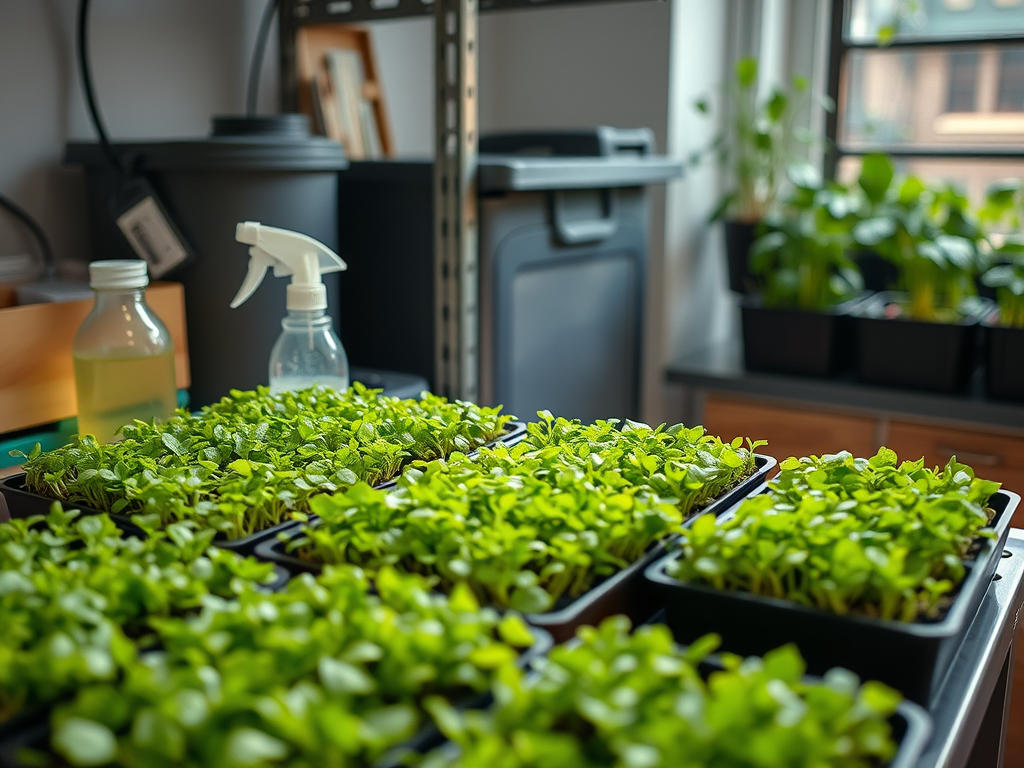
[Urban Homestead Ideas] 10 Urban Homestead Systems That Run on Autopilot: Build it once. Let it quietly save your life forever.
The main myth of homesteading is that it requires more time; instead, effective systems, which are low-effort and efficient, are key. Ten urban homesteading setups optimize food production, waste management, and power backup, encouraging ease of upkeep while fostering sustainability and resilience, ultimately simplifying the homesteading lifestyle.
-
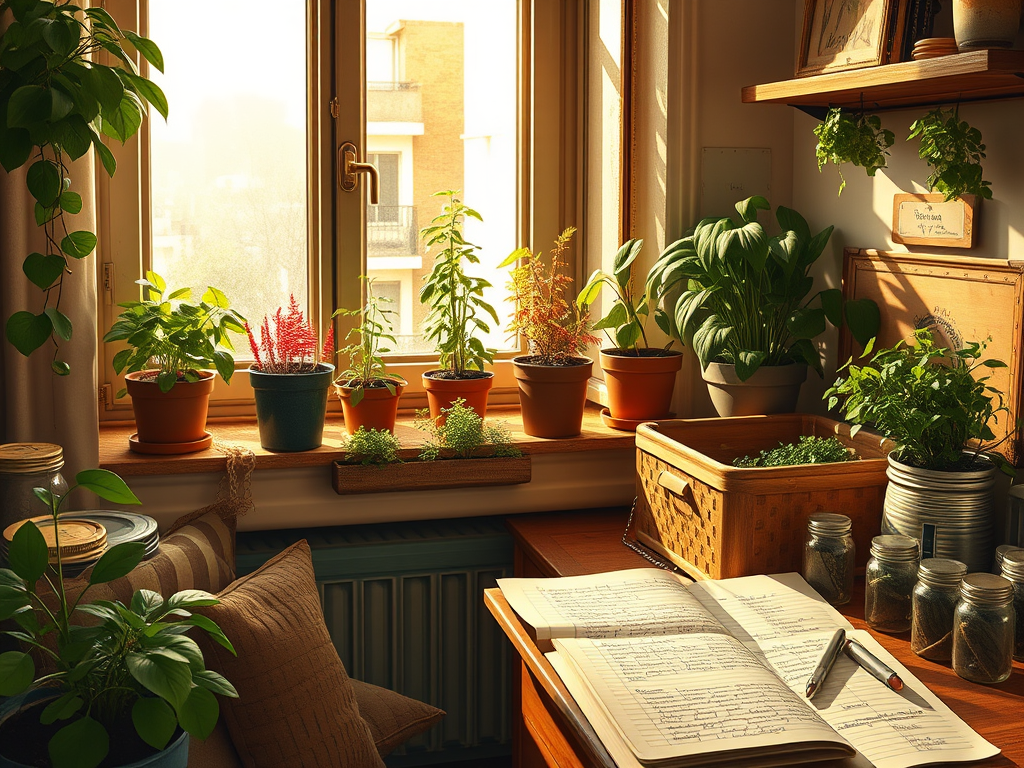
[Urban Homestead Ideas] 30 Days to a Working Urban Homestead: a Low-Budget, Zero-Acre, Zero-Excuses Jumpstart Plan
The guide offers a one-month urban homesteading plan for renters and city dwellers, emphasizing action over perfection. Each week focuses on essential tasks like growing food, composting, preserving, and creating a homesteading routine. Participants can build a self-sufficient system from their apartments for under $50, culminating in a personal philosophy of sustainable living.
