-

[Off-Grid Living Ideas] “What If the Well Dries Up?” — A Guide to Not Dying of Thirst or Melodrama
You moved off-grid to escape “the system,” but guess what? Water IS the system. When your well runs dry, you’re not just inconvenienced. You’re one broken pump away from brushing your teeth with rainwater you caught in an old casserole dish. Here’s how to survive, plan, and maybe—just maybe—keep your dignity. 💧 Step 1: Figure Out What Just…
-

[Off-Grid Living Ideas] Off-Grid Fashion Tips: Serving Looks While Hauling Logs
Off-grid fashion has transformed into functional couture, prioritizing utility over aesthetics. Key elements include apocalypse layering with appropriate base, mid, and outer layers; durable pants; religiously important socks; and essential accessories. Footwear must withstand tough conditions, while underwear should prioritize breathability. Confidence complements this style, emphasizing practicality and individuality over trends.
-
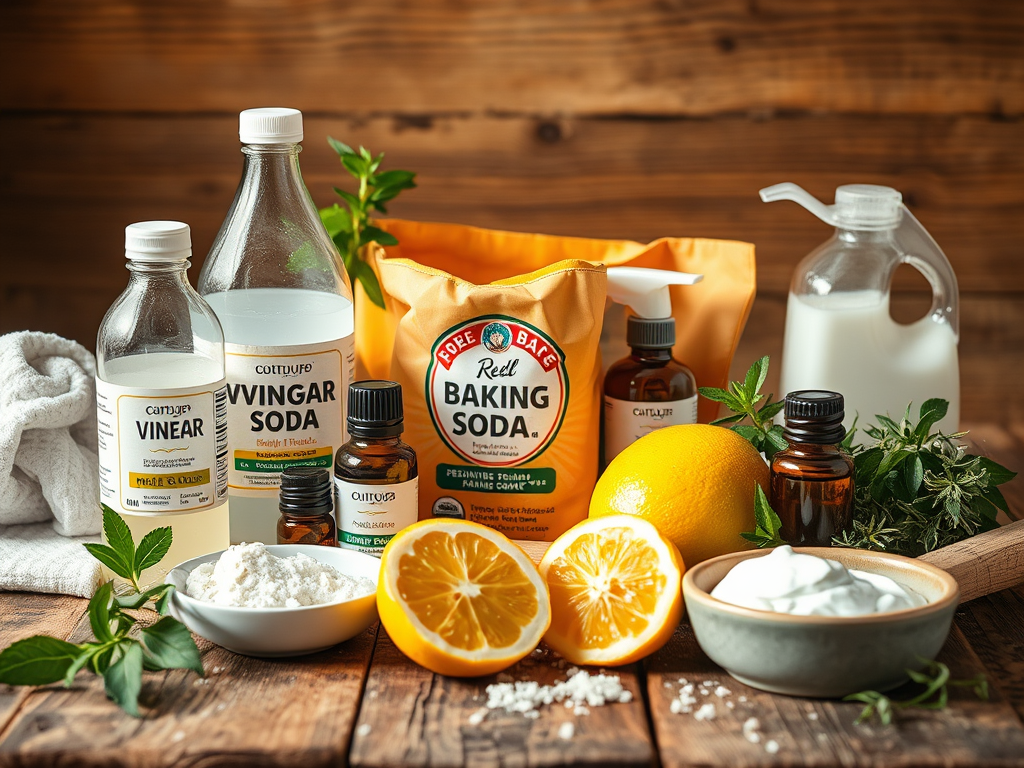
[Off-Grid Living Ideas] DIY Off-Grid Makeup: Clay, Beet Juice, and Questionable Life Choices
The content presents a humorous guide to off-grid beauty using natural ingredients. It emphasizes creativity and self-expression, encouraging readers to create makeup from pantry staples like beets and charcoal. The focus is on fun and individuality rather than perfection, promoting a carefree, whimsical approach to beauty rituals in a rustic lifestyle.
-

[Off-Grid Living Ideas] Distill, Defend, Disseminate: A Rain-to-Moonshine Pipeline Strategy
The content emphasizes the art of distilling during an apocalypse, encouraging readers to creatively harness resources like rainwater and local ingredients to produce homegrown hooch. It offers tips on collection, fermentation, distillation, and security, while highlighting the importance of morale, barter, and legacy in a post-apocalyptic world.
