-
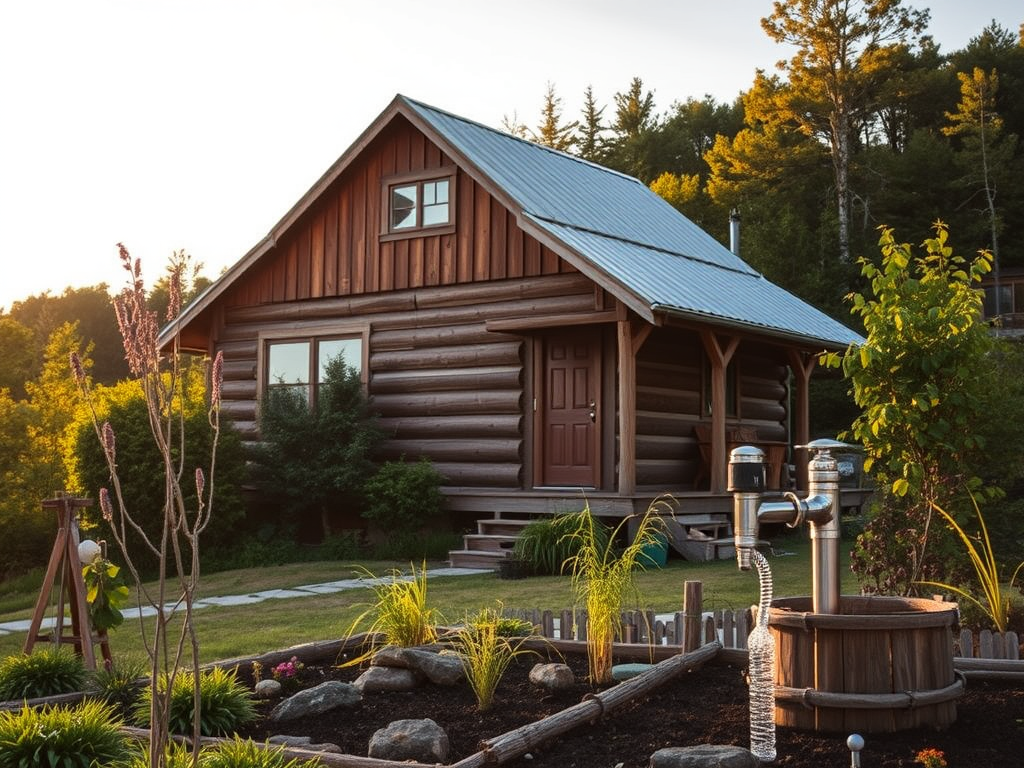
[Off-Grid Year Three] Permanent Infrastructure: Stop Living Like It’s a Temporary Camping Trip
Year Three of off-grid living transforms from a fantasy to an established lifestyle, requiring permanent systems instead of temporary solutions. Upgrades are essential for shelter, water, sanitation, power, storage, and paths. Emphasis is on comfort, practicality, and effective infrastructure, moving towards a designed life rather than mere survival.
-

[Off-Grid Year Two] Social Life in the Woods: How to Have Friends When You Smell Like Fire
Embracing off-grid living involves mastering survival skills beyond food and water, notably human interaction. To build community, relearn small talk, connect with like-minded individuals, maintain distant friendships, and prepare visitors for your lifestyle. Set clear boundaries to sustain relationships while enjoying solitude. Remember, meaningful connections enhance the off-grid experience.
-
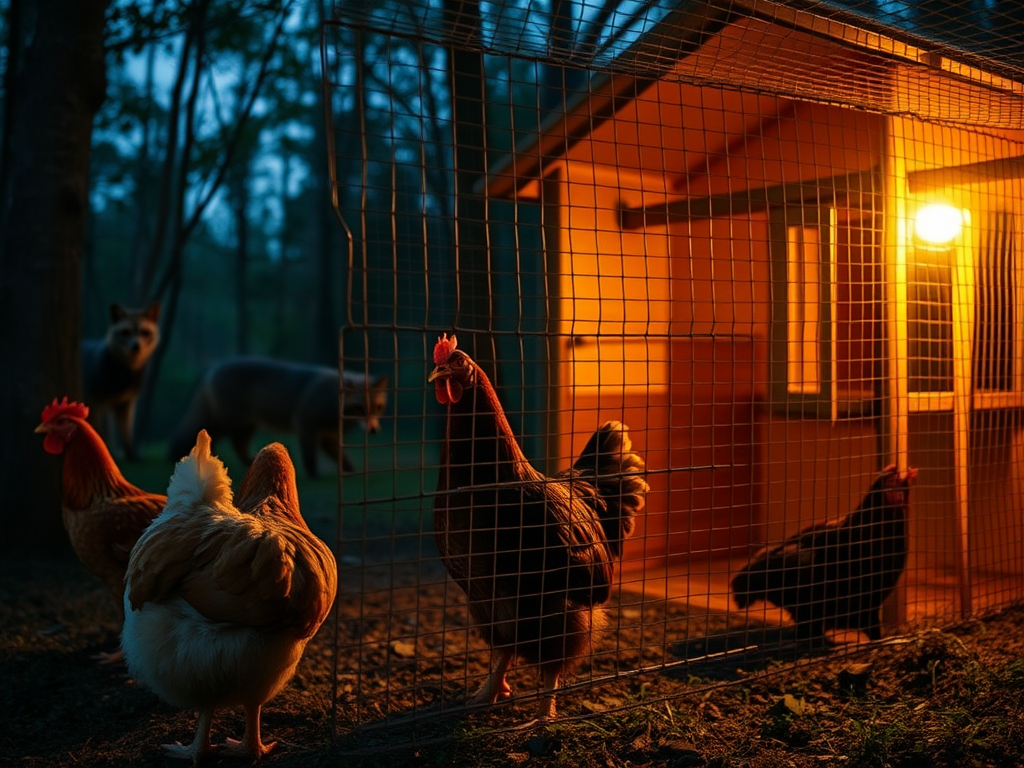
[Off-Grid Year Two] Raising Chickens, Ducks, or Other Feathered Freeloaders
The guide highlights the joys and challenges of raising poultry off-grid. It discusses selecting chickens, ducks, or other birds, building secure housing, maintaining their diet and cleanliness, and protecting them from predators. Emphasizing their chaotic nature, it advises patience and commitment while noting the rewards of fresh eggs and companionship.
-
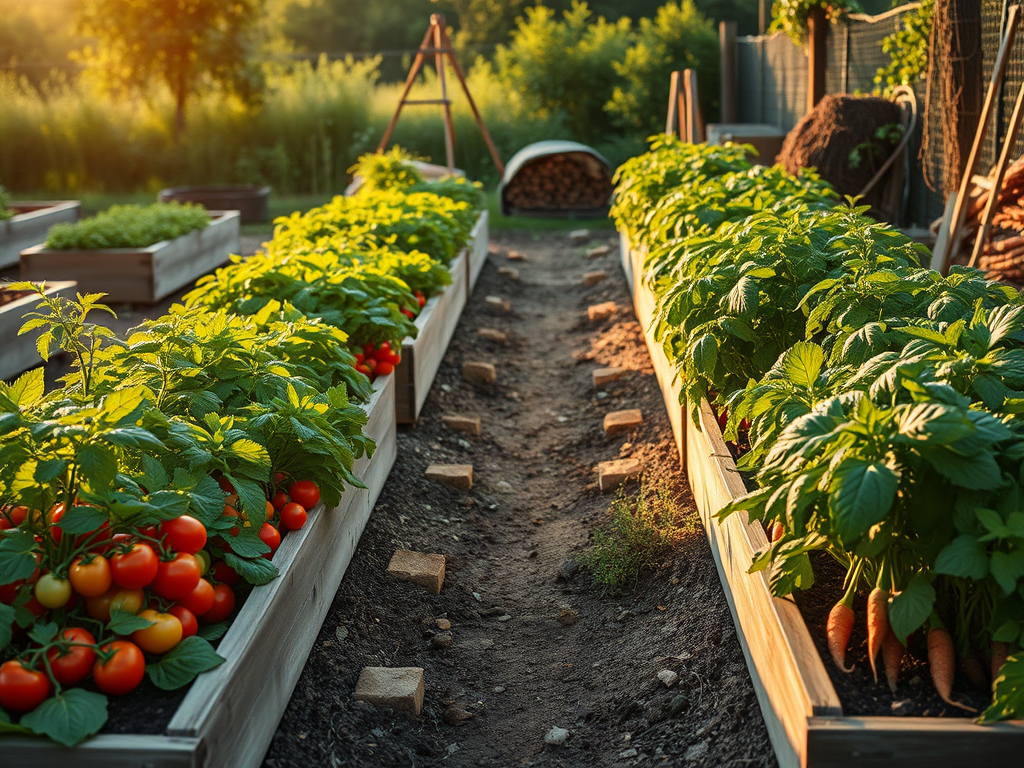
[Off-Grid Year Two] Expanding Your Garden: How to Grow More Than Just Zucchini
In Year Two of off-grid gardening, the focus shifts from survival to abundance. Expand your garden by understanding your environment, designing efficiently, and diversifying crops. Implement pest prevention strategies and consider storage for produce. Keeping a garden journal and evolving your methods is crucial for successful and sustainable growth.
-

[Off-Grid Year Two] Upgrading Your Power System: More Juice, Fewer Blackouts
Year One of off-grid living focused on basic needs, but Year Two demands better energy reliability. To upgrade your system, evaluate your power needs, enhance your solar panels, increase battery storage, invest in a quality inverter, consider backup power sources, and monitor usage. An efficient setup ensures a balanced lifestyle without excessive strain.
You must be logged in to post a comment.