-

[Low-Budget Apocalypse Survival Handbook] WATER SECURITY — “The First 72 Hours and Beyond”
The guide emphasizes water as the top survival priority, providing strategies to secure, purify, and store water on a tight budget. It details immediate actions during disasters, affordable storage options, purification methods, sourcing techniques, group management, and common mistakes to avoid. A shopping list for essential items is included, costing approximately $150.
-
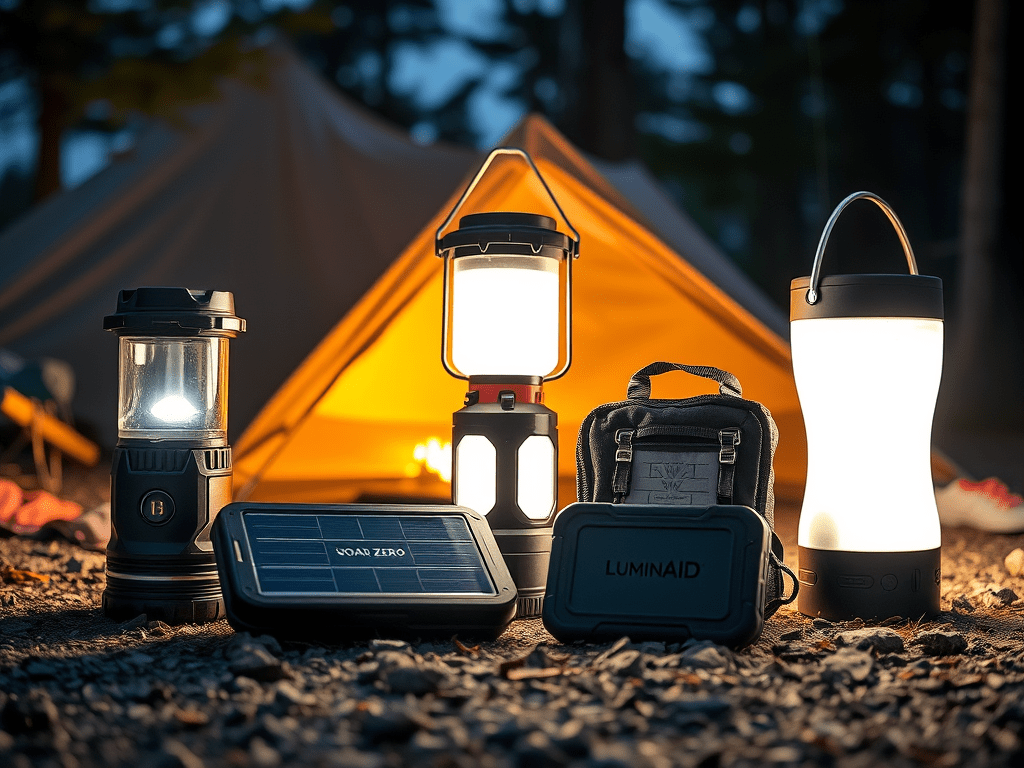
🏕[Off-Grid Starter Kit] Lighting the Night — Solar Lanterns & Battery Banks: Real-World Review
The review details effective off-grid lighting and power solutions tested over 30 nights. Key products include the bright Vont lantern, cozy Goal Zero Crush Light, and versatile LuminAID PackLite Max. Battery banks like Anker PowerCore and Goal Zero are also highlighted. Users should anticipate variable solar efficiency and always carry backup lighting.
-

🏕[Off-Grid Starter Kit] Water Without Plumbing — My DIY Rain Catchment & Filter System
The article details a DIY rainwater catchment system for an off-grid cabin, addressing water scarcity challenges. Key components include a food-grade barrel, diverter kit, mesh screen, and filters. The total cost is under $80, while maintenance tips and lessons learned are shared to help improve setups. Future improvements are also suggested.
-

🏕[Off-Grid Starter Kit] How I Powered My Cabin for $200 — The Real Beginner Off-Grid Setup
The author shares their experience setting up an affordable off-grid power system for less than $200, highlighting essential gear like a portable solar generator and LED lanterns. They offer insights into what worked, mistakes made, and lessons learned, emphasizing the effectiveness of smaller setups for basic needs and the importance of reliability in gear.
-

[Mild to Wild] Saved, Simplified, Ready: Your Pre‑Departure Checklist & Launch Plan
This article provides a comprehensive checklist for launching an off-grid lifestyle, emphasizing preparation over gear. It covers financial planning, gear audits, mental readiness, trial runs, organization of essential documents, and thoughtful departure. Key takeaways highlight financial security, practical trials, adaptability, and respect for one’s previous life while embracing the new journey.
