-
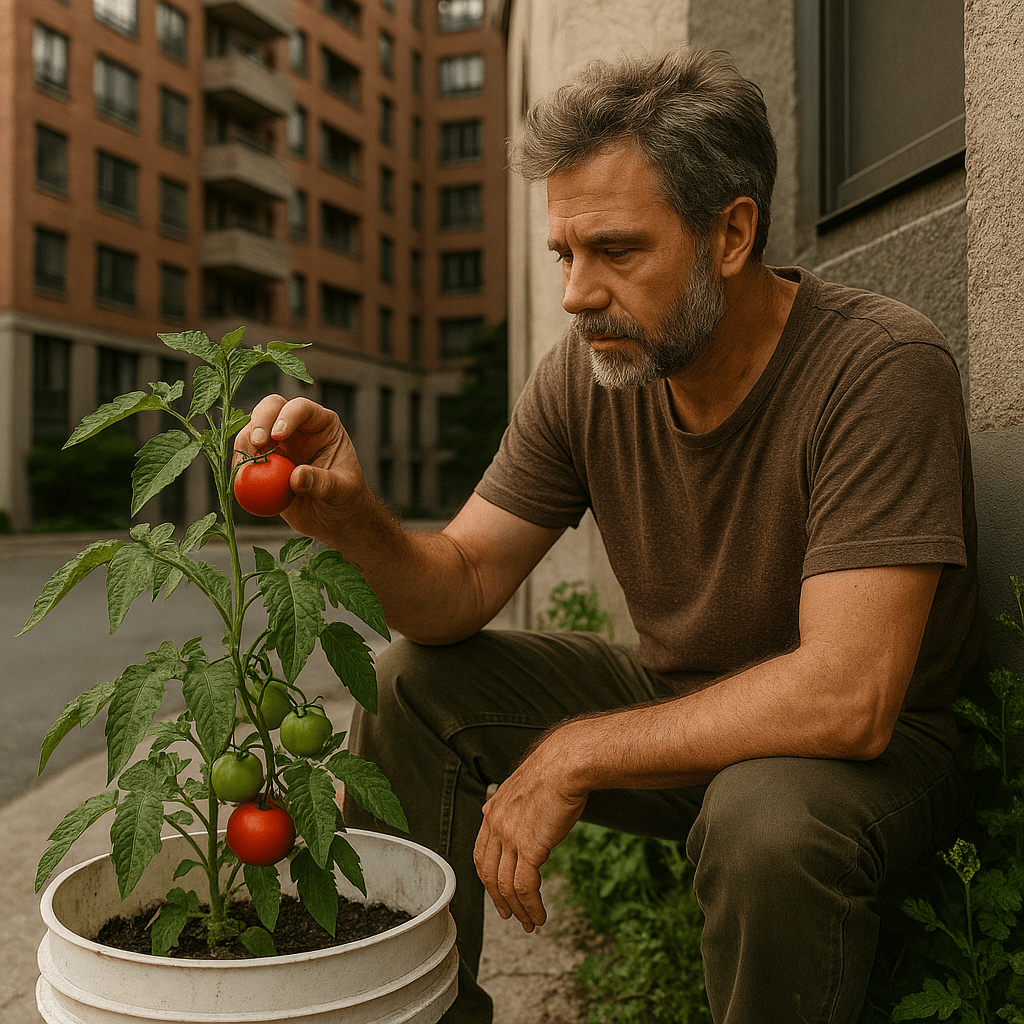
[Off-Grid in the City] Adapt Like a Plant: Growing Food, Slowly, in Weird Places
The post emphasizes that anyone can grow food, regardless of their circumstances, by embracing learning and adaptation. It encourages readers to view gardening as a form of rebellion and therapy. The author provides low-budget growing tips and promotes a 30-day challenge to instill skills and confidence in self-sufficiency.
-

[Off-Grid in the City] The Collapse Kitchen: How to Cook Without Refrigeration or Recipes
When faced with a power outage, traditional cooking methods falter, but survival doesn’t depend on refrigeration. By utilizing shelf-stable ingredients and creative cooking techniques—like thermal cooking and sun ovens—one can effectively prepare meals. Embrace adaptability and resourcefulness in the kitchen to thrive during emergencies without relying solely on appliances.
-
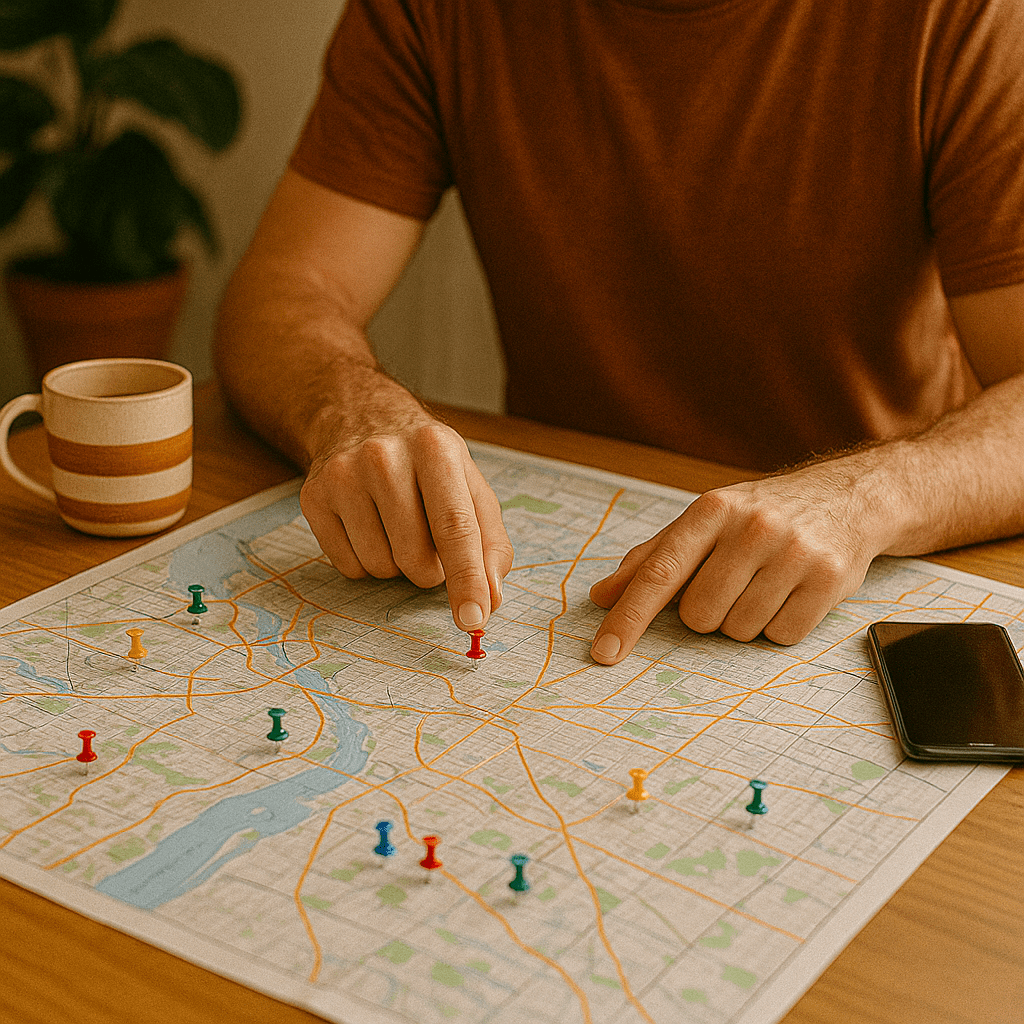
[Off-Grid in the City] The Friend Map: Why Community Will Matter More Than Gear
To effectively prepare for uncertain times, rely on a supportive network rather than hoarding supplies alone. Create a “Friend Map” to identify individuals with valuable skills and resources. Foster relationships, offer help, and build community resilience. True survival comes from collaboration, not isolation. Embrace shared efforts for collective strength.
-

[Advanced Apocalypse Survival Handbook] Ethical Black Market Protocols & Barter Ethics — “Trading Without Law, Not Without Honor”
This guide explores survival in black and gray markets following currency collapse, emphasizing ethical trade practices. It differentiates market types, outlines top commodities, and stresses community values. Safety tips including the “three-bag rule” and the importance of information trading are highlighted, promoting preparation and ethical standards for sustainable exchanges.
-
[Advanced Apocalypse Survival Handbook] Waste Management & Sanitation — “No Sewer, No Problem”
This guide emphasizes the importance of effective off-grid waste management systems to mitigate health risks and enhance group cohesion. It outlines strategies for handling human waste, graywater, and trash, providing various composting and sanitation options. The recommendation stresses community participation and proper waste separation to ensure survival and hygiene.
