-

[Mild to Wild] Simplify Now: How 20 Minutes Daily Can Start Your Off‑Grid Life
Living sustainably can begin with just 20 minutes a day through small tasks. Each task focuses on water, indoor gardening, energy conservation, waste awareness, and daily reflection. This approach fosters habit-building, flexibility, and gradual lifestyle change without requiring major overhauls. Everyday actions lead to significant, lasting impacts.
-
[Mild to Wild] Before You Build the Cabin: 5 Mind‑Shifts to Think “Off‑Grid Lite”
The article outlines five mindset shifts essential for adopting an off-grid lifestyle without drastic changes. It emphasizes minimal sufficiency, incremental experimentation, quiet preparation, self-authority, and values-driven choices. By adopting these perspectives, individuals can begin transforming their lives towards sustainability and simplicity, starting with small, manageable actions.
-
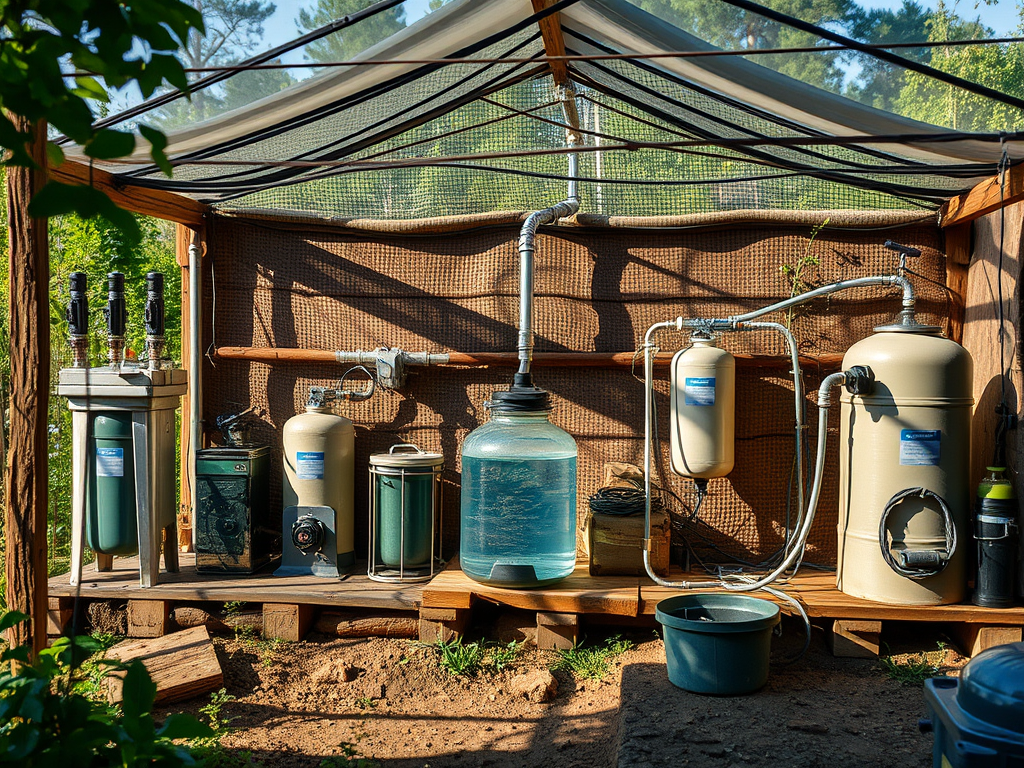
[Advanced Apocalypse Survival Handbook] Ethical Black Market Protocols & Barter Ethics — “Trading Without Law, Not Without Honor”
This guide explores survival in black and gray markets following currency collapse, emphasizing ethical trade practices. It differentiates market types, outlines top commodities, and stresses community values. Safety tips including the “three-bag rule” and the importance of information trading are highlighted, promoting preparation and ethical standards for sustainable exchanges.
-
[Advanced Apocalypse Survival Handbook] Waste Management & Sanitation — “No Sewer, No Problem”
This guide emphasizes the importance of effective off-grid waste management systems to mitigate health risks and enhance group cohesion. It outlines strategies for handling human waste, graywater, and trash, providing various composting and sanitation options. The recommendation stresses community participation and proper waste separation to ensure survival and hygiene.
-
[Advanced Apocalypse Survival Handbook] DIY Seed Bank & Heirloom Plant Preservation — “How to Not Starve Next Year”
This guide emphasizes the significance of creating a DIY seed bank for long-term food resilience and self-reliance. It details methods for seed storage, lists essential heirloom varieties, and suggests organizing groups for seed saving and trading. Key practices include proper storage, avoiding GMOs, and ensuring redundancy for security.
