-
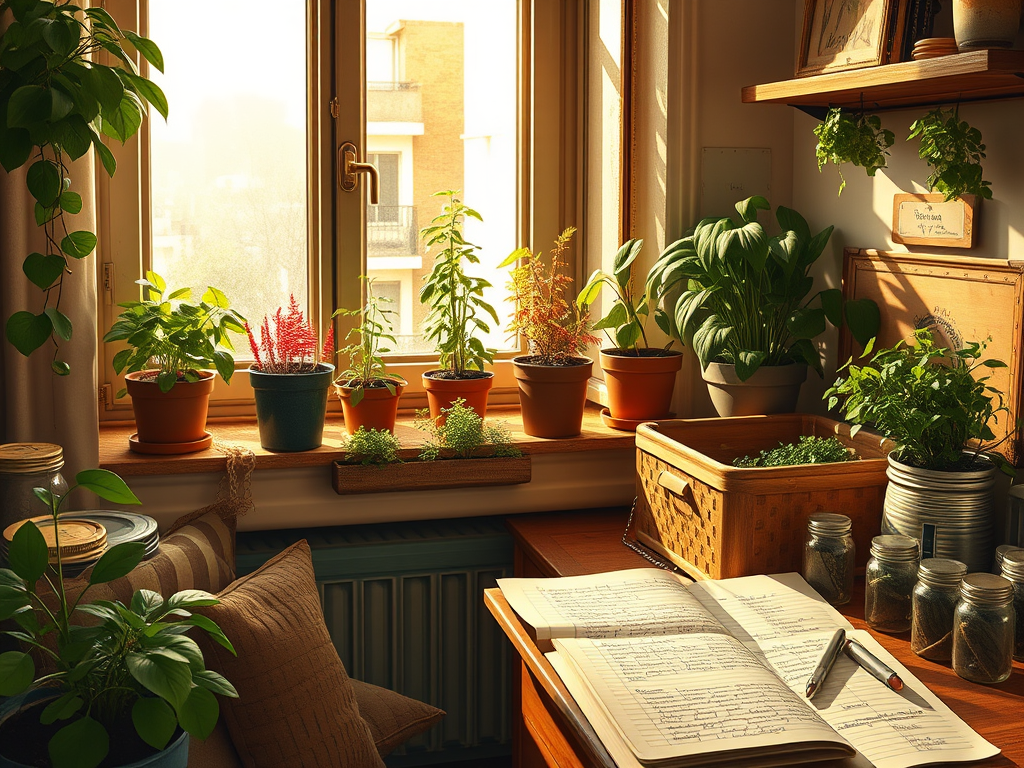
[Urban Homestead Ideas] 30 Days to a Working Urban Homestead: a Low-Budget, Zero-Acre, Zero-Excuses Jumpstart Plan
The guide offers a one-month urban homesteading plan for renters and city dwellers, emphasizing action over perfection. Each week focuses on essential tasks like growing food, composting, preserving, and creating a homesteading routine. Participants can build a self-sufficient system from their apartments for under $50, culminating in a personal philosophy of sustainable living.
-
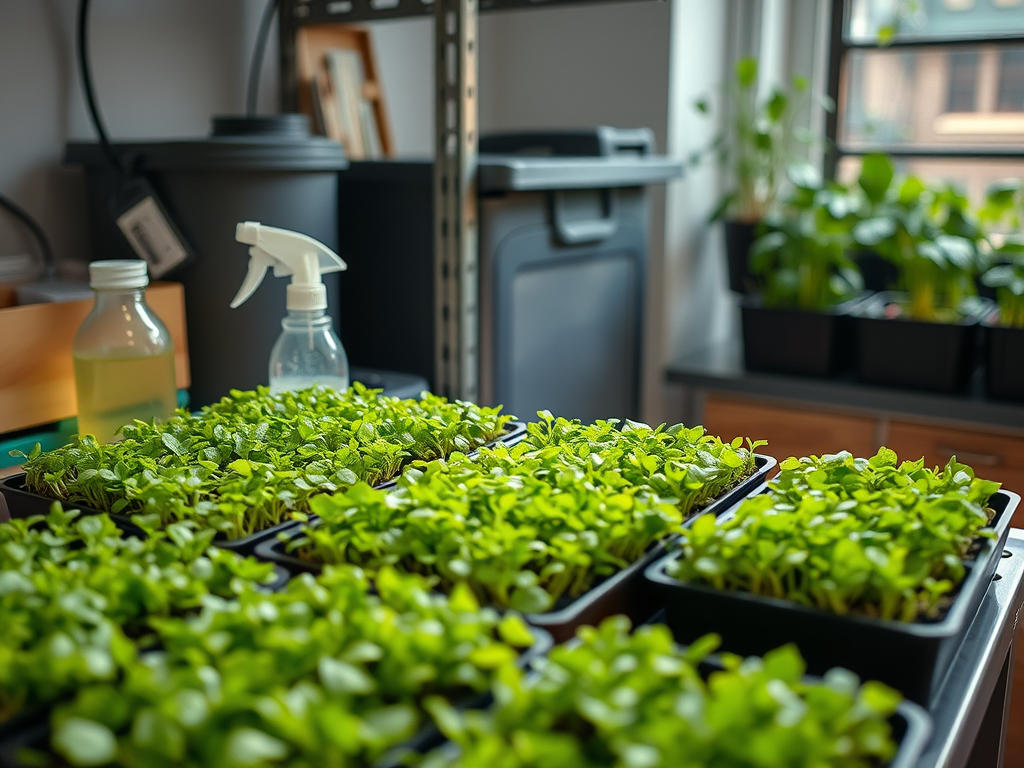
[Urban Homestead Ideas] 10 Urban Homestead Systems That Run on Autopilot: Build it once. Let it quietly save your life forever.
The main myth of homesteading is that it requires more time; instead, effective systems, which are low-effort and efficient, are key. Ten urban homesteading setups optimize food production, waste management, and power backup, encouraging ease of upkeep while fostering sustainability and resilience, ultimately simplifying the homesteading lifestyle.
-

🏕[Off-Grid Starter Kit] What I’d Do Differently After 1 Month Off-Grid: Lessons From Real-World Living
After a month off-grid, key insights emerged: water consumption exceeded expectations, and quality lighting enhances morale. Essential gear included a backup water filter and rechargeable headlamp, while a camp shower and manual coffee grinder proved unnecessary. Community feedback highlighted durable items and emphasized learning through experience. Simplifying gear and maintenance is crucial.
-
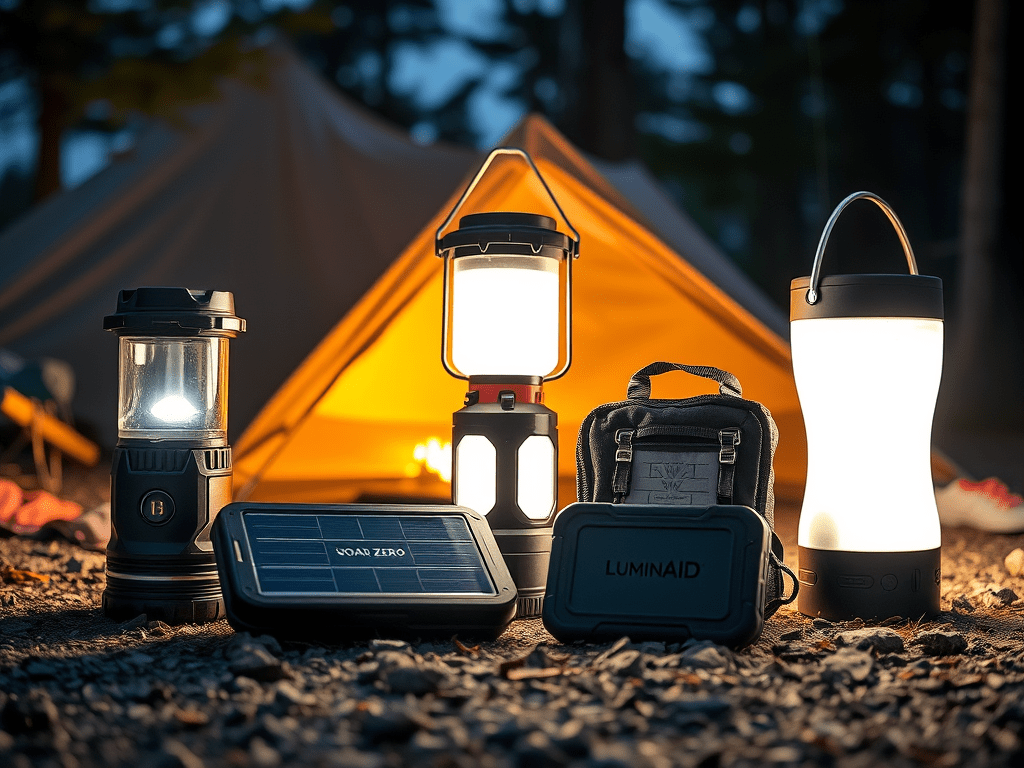
🏕[Off-Grid Starter Kit] Lighting the Night — Solar Lanterns & Battery Banks: Real-World Review
The review details effective off-grid lighting and power solutions tested over 30 nights. Key products include the bright Vont lantern, cozy Goal Zero Crush Light, and versatile LuminAID PackLite Max. Battery banks like Anker PowerCore and Goal Zero are also highlighted. Users should anticipate variable solar efficiency and always carry backup lighting.
-

🏕[Off-Grid Starter Kit] Water Without Plumbing — My DIY Rain Catchment & Filter System
The article details a DIY rainwater catchment system for an off-grid cabin, addressing water scarcity challenges. Key components include a food-grade barrel, diverter kit, mesh screen, and filters. The total cost is under $80, while maintenance tips and lessons learned are shared to help improve setups. Future improvements are also suggested.
