-

[Off-Grid Living Ideas] Signs You’ve Been Off-Grid Too Long: You’ve Named the Wind and It Talks Back
The journey into off-grid living leads to quirky behaviors and deep connections with nature. Signs include naming the wind, emotionally connecting with vegetables, and forming relationships with inanimate objects. As one loses touch with societal norms, they gain resilience and a unique bond with their environment, creating a beautiful, if unconventional, life.
-
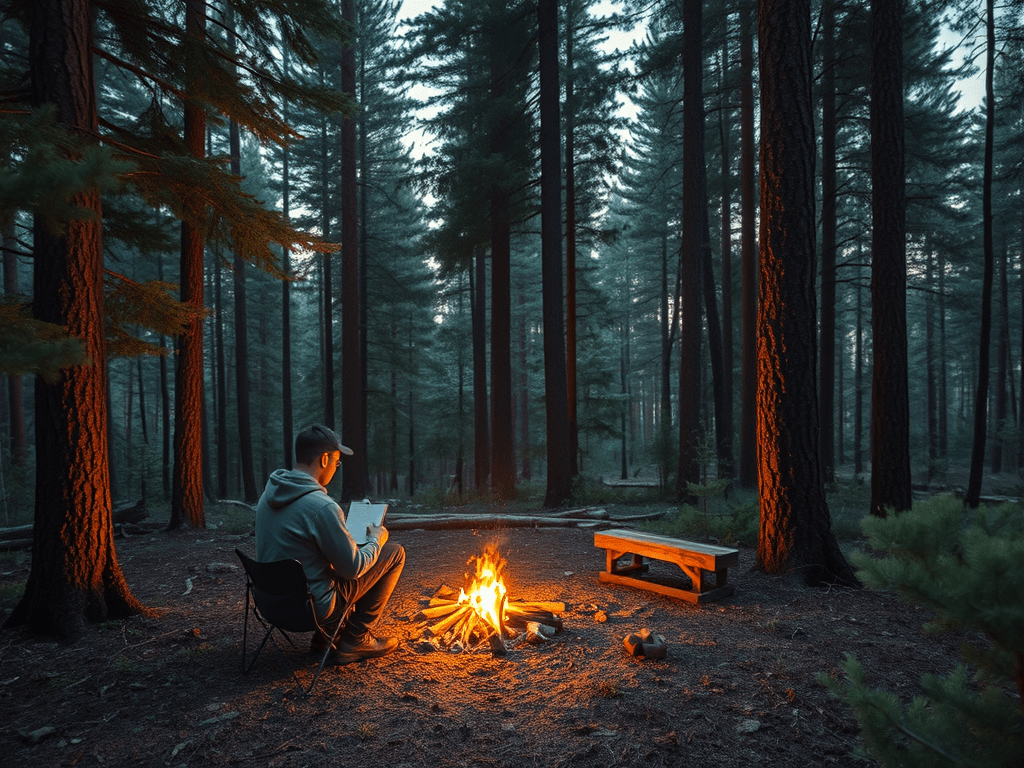
[Off-Grid Living Ideas] DIY Therapy for Off-Gridders: Screaming Into Trees, and Other Coping Mechanisms
The post explores unconventional methods for self-soothing in nature, emphasizing that mental health exists even in the woods. It suggests various activities like screaming at trees, chopping wood, journaling, symbolic burning, walking, talking to oneself, and engaging with goats. These creative approaches help manage emotions while living off-grid.
-

[Off-Grid Living Ideas] Off-Grid Haircare: Grease, Buns, and Goat Milk Experiments
The content introduces a humorous take on off-grid haircare, encouraging readers to embrace a no-shampoo lifestyle and natural cleansing methods. It offers unconventional techniques like using baking soda, goat milk, and clay, while highlighting a carefree attitude towards hair management. Ultimately, it promotes self-acceptance and joy in natural hair textures.
-
[Off-Grid Living Ideas] Off-Grid Romance: Can You Love Someone Who Smells Like Compost?
Off-grid romance thrives amidst unconventional circumstances, emphasizing practical love beyond superficial ideals. Intimacy develops through shared chores, honest communication, and a tolerance for each other’s natural smells. Embrace simplicity in date nights, ultimately recognizing that true love flourishes through shared struggles, imperfections, and a commitment to growth in challenging environments.
-
[Off-Grid Living Ideas] How to Fight Without Burning Down the Cabin (Literally or Emotionally)
In off-grid living, emotional tensions can escalate quickly due to stressors like space limitations and shared responsibilities. To handle conflicts effectively, individuals should recognize underlying issues, communicate clearly, establish protocols, create personal space, understand conflict styles, focus on core problems, and engage in post-fight rituals to maintain relationships and harmony.
