-

[Minimalism Lifestyle] The Capsule Wardrobe That Finally Stopped Me From Screaming at My Closet
The author transformed a chaotic closet into a functional capsule wardrobe, streamlining clothing choices to about 25–40 curated pieces that are versatile and timeless. This approach reduced decision fatigue, improved quality of clothing, simplified packing, and brought peace to their daily routine, encouraging a more organized and stylish lifestyle.
-

[Minimalism Lifestyle] What I Learned From Throwing Away 80% of My Stuff
The author intentionally decluttered their life by getting rid of 80% of their possessions, discovering that most items were tied to emotional baggage. This process led to feelings of empowerment, renewed space, and clarity. Ultimately, they learned to value meaningful items, transforming their perspective on ownership and simplifying their mental space.
-
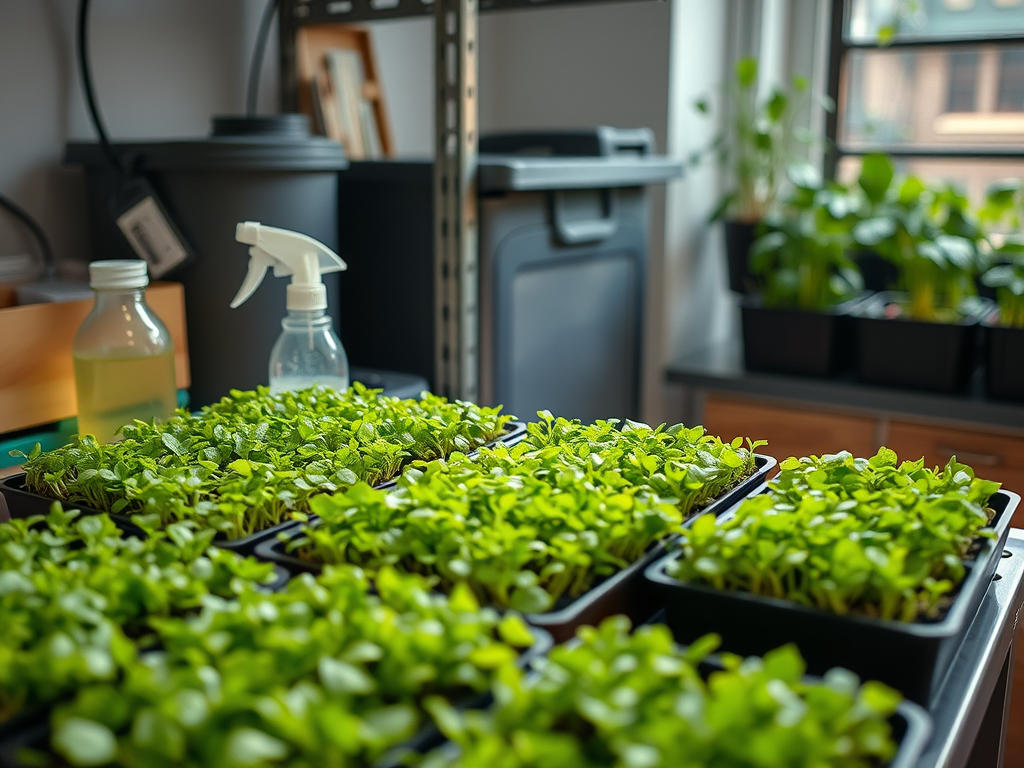
[Urban Homestead Ideas] 10 Urban Homestead Systems That Run on Autopilot: Build it once. Let it quietly save your life forever.
The main myth of homesteading is that it requires more time; instead, effective systems, which are low-effort and efficient, are key. Ten urban homesteading setups optimize food production, waste management, and power backup, encouraging ease of upkeep while fostering sustainability and resilience, ultimately simplifying the homesteading lifestyle.
-
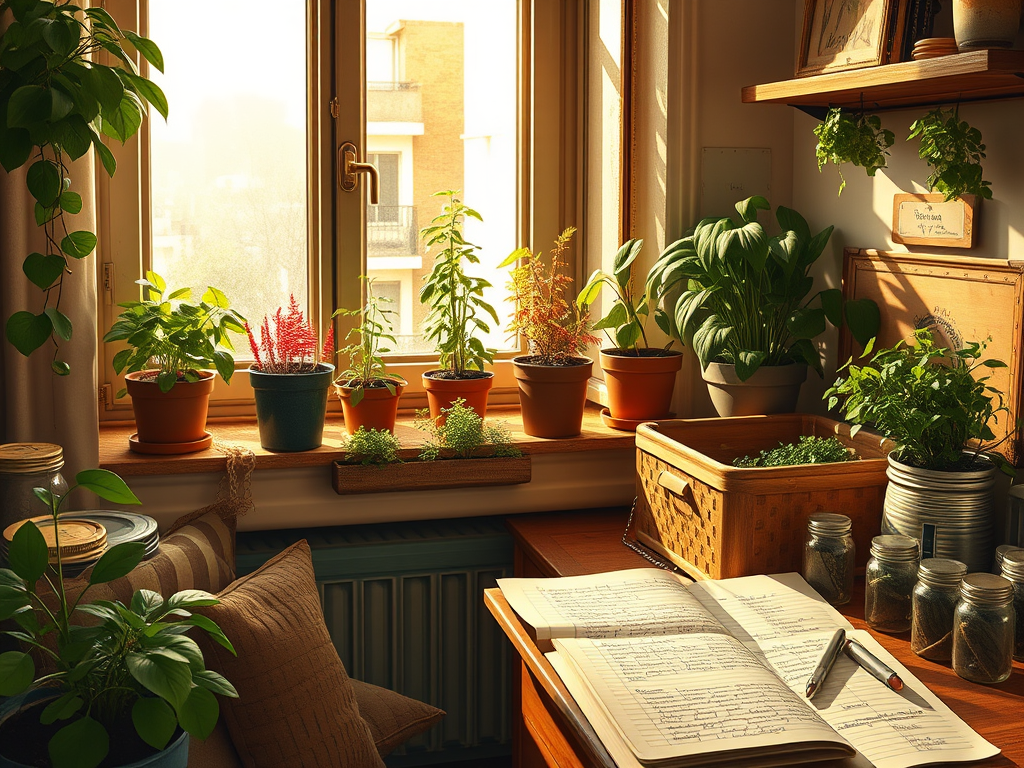
[Urban Homestead Ideas] 30 Days to a Working Urban Homestead: a Low-Budget, Zero-Acre, Zero-Excuses Jumpstart Plan
The guide offers a one-month urban homesteading plan for renters and city dwellers, emphasizing action over perfection. Each week focuses on essential tasks like growing food, composting, preserving, and creating a homesteading routine. Participants can build a self-sufficient system from their apartments for under $50, culminating in a personal philosophy of sustainable living.
-

[Urban Homestead Ideas] The Beginner’s Guide to Urban Homesteading (Without Quitting Your Job or Alienating Your Landlord)
Urban homesteading is about fostering resilience and sustainability within city life, rather than requiring land or a complete lifestyle shift. It includes practices like growing food, composting, and water conservation, encouraging self-sufficiency. The focus is on practical skills and community connections, allowing individuals to thrive despite systemic challenges.
