-
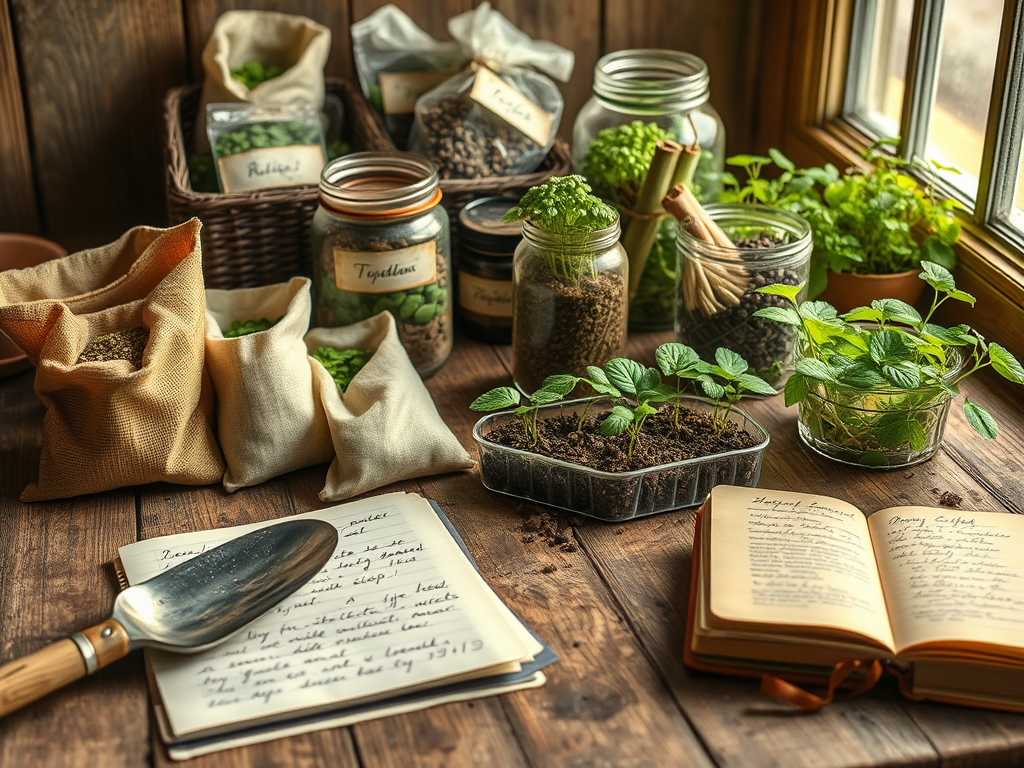
[Low-Budget Apocalypse Survival Handbook] WATER SECURITY — “The First 72 Hours and Beyond”
The guide emphasizes water as the top survival priority, providing strategies to secure, purify, and store water on a tight budget. It details immediate actions during disasters, affordable storage options, purification methods, sourcing techniques, group management, and common mistakes to avoid. A shopping list for essential items is included, costing approximately $150.
-

[Off-Grid Living Ideas] Dealing with Predators, Pests, and Other Things That Want to Eat Your Chickens (and You)
Living off-grid requires vigilance against wildlife pests like raccoons, foxes, and bears. To protect livestock, implement durable fencing and secure coops with effective latches. Additionally, manage rodent invasions by sealing entry points and storing food in hard containers. Utilize deterrents creatively and build defenses to maintain harmony with nature.
-

[Off-Grid Living Ideas] The Self-Sufficient Kitchen: Cooking Without a Fridge, Microwave, or Sanity
The pursuit of self-sufficiency involves surrendering modern conveniences for resilience and creativity in cooking. Essentials include a cast iron skillet, Dutch oven, and manual tools, while food storage relies on innovative methods. Meal planning should focus on perishables and strategic cooking, ensuring flavors remain rich and morale high, despite challenges.
-
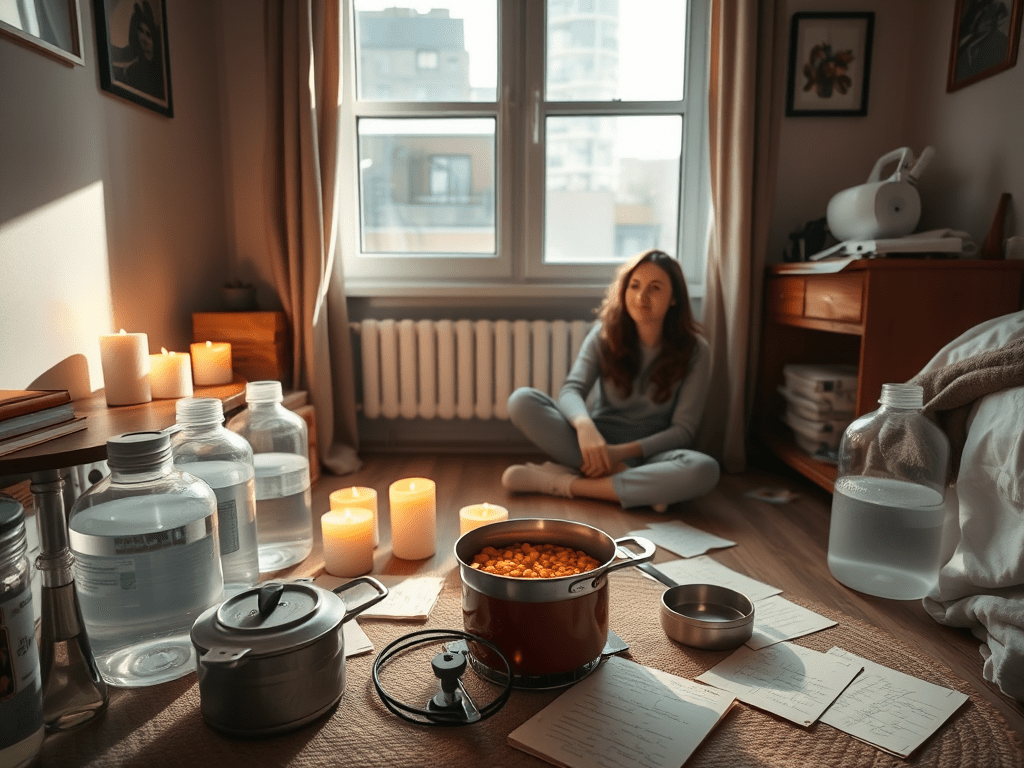
[Off-Grid Living Ideas] How to Host Visitors Off-Grid Without Apologizing Constantly
To host visitors off-grid, set clear expectations about amenities beforehand. Prepare a comfortable guest space and explain the bathroom arrangements confidently. Serve familiar, appealing meals, manage resources effectively, and provide entertainment options. Allow guests space and offer an easy exit if they feel uncomfortable, embracing your unique lifestyle without apologies.
-
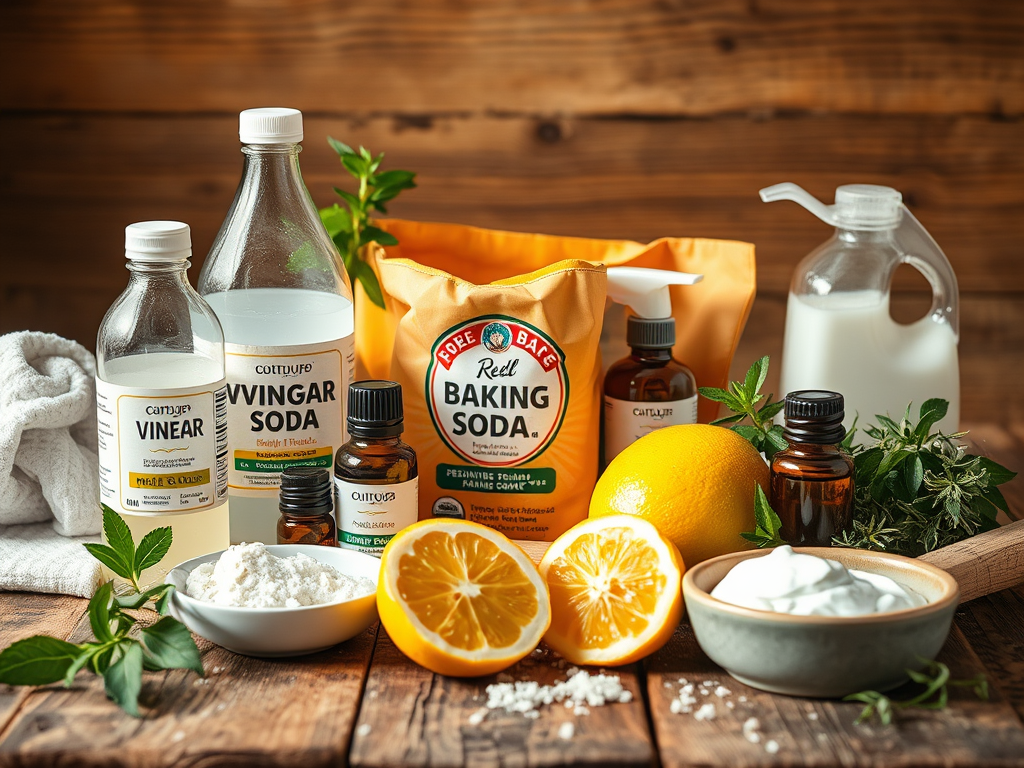
[Off-Grid Living Ideas] Making Your Own Cleaning Products That Work, Smell Good, and Don’t Burn Your House Down
This content emphasizes building an eco-friendly DIY cleaning arsenal using common ingredients like white vinegar, baking soda, and essential oils. It offers various recipes for all-purpose cleaners, dish soap, laundry detergent, toilet bombs, glass cleaner, wood polish, and carpet deodorizer, promoting effective and sustainable cleaning practices.
