-
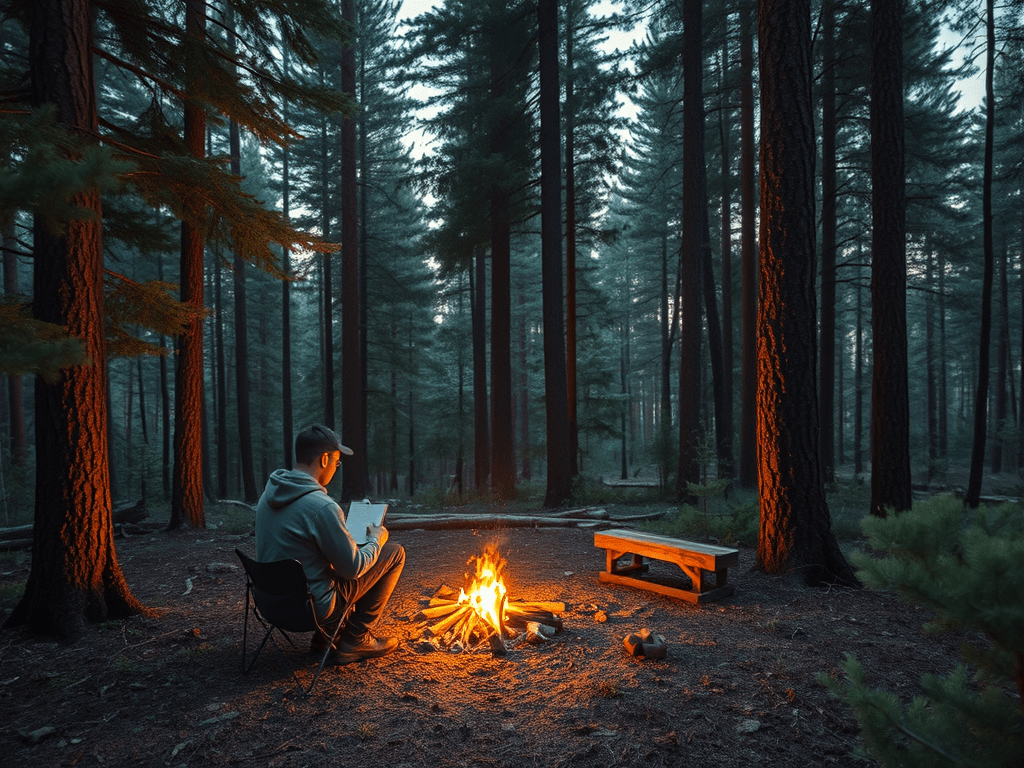
[Almost Off-Grid Life] How to Build a Personal Skill Library (Without YouTube or AI)
The guide emphasizes the importance of building a personal skill library for real-world competence beyond online learning. It advocates for hands-on practice, choosing core categories like food, shelter, water, tools, and medicine. Retaining knowledge through doing, using analog sources, and teaching others enhances skills, fostering lasting memory and practical abilities.
-

[Almost Off-Grid Life] The Joy of Doing Things the Slow Way (On Purpose)
We’re told to optimize everything.Faster cooking. Faster reading. Faster living. But what if the things that take longer… give more? “Slowness isn’t inefficiency. It’s intimacy with process.” This article isn’t about laziness.It’s about choosing slow on purpose—because that’s where meaning lives. 🚶♂️ Slow is a Rebellion When you: You’re rejecting a system that tells you your only value is…
-

[Almost Off-Grid Life] Your Hands Remember: Why Learning Manual Skills Rewires Your Brain
The concept of a Low-Tech Renaissance emphasizes the importance of manual skills and reconnecting with our physical abilities. Engaging in activities like sewing or gardening promotes mental clarity, reduces stress, and fosters a sense of presence. This practice can lead to a cognitive reset and enhance self-trust, urging individuals to reconnect with their hands.
-
[Almost Off-Grid Life] How to Make Peace With Collapse Without Giving Up on the World
This guide acknowledges the feeling of living amidst a collapsing system, providing practical steps to foster resilience and peace. It emphasizes facing reality while maintaining hope, highlighting the importance of community and personal action. Constructive practices include building skills, connecting with others, and embracing meaningful rituals to navigate uncertainty.
-

[Almost Off-Grid Life] Your Life Is Already Post-Apocalyptic (You Just Haven’t Noticed)
The post argues that individuals are already living in a soft apocalypse characterized by disconnection from food sources, reliance on complex systems, and emotional numbness. It encourages awareness and adaptation through building skills, reconnecting with local communities, and creating resilience. Emphasizing proactive change, it offers practical steps to regain agency.
