-

[Almost Off-Grid Life] One Week Without Online Shopping: My City-Cabin Experiment
There was no emergency. No disaster. No noble minimalist vow.I just looked at my delivery history one night and thought: “I’m using the internet like a vending machine for my anxiety.” So I shut it down—for one week.No Amazon. No Etsy. No eBay, no grocery delivery, no “just this one thing I forgot I need.”…
-
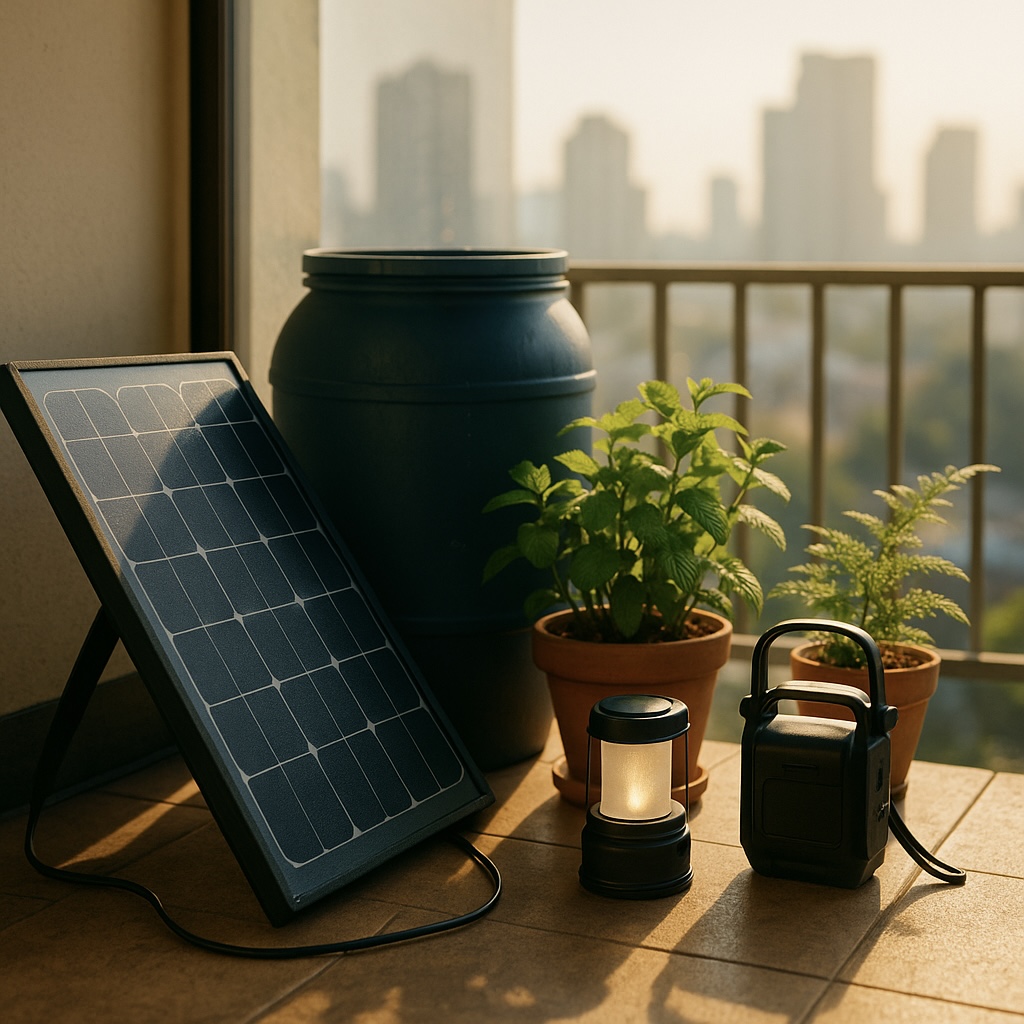
[Almost Off-Grid Life] The 24-Hour Balcony Survival Test: Living Off-Grid in Your Apartment
The author conducts a 24-hour off-grid experiment on their balcony, abstaining from electricity, running water, and digital distractions. This exercise aimed to enhance resilience in urban life. Key takeaways include the challenges of cooking, water conservation, and a newfound appreciation for simplicity. The experience leads to significant lifestyle changes towards preparedness.
-

[Almost Off-Grid Life] What I Learned From Making Bread Without a Timer, Scale, or Electricity
The author shares a personal experience of baking bread without modern technology, emphasizing intuition over measurement. By unplugging devices, they engage deeply with the process, learning to trust their senses and embrace imperfections. This ritual not only creates bread but also fosters mindfulness, reducing anxiety and enhancing the sacredness of food preparation.
-

[Almost Off-Grid Life] 10 Off-Grid Life Hacks You Didn’t Know You Needed (Even in a City Apartment)
The concept of “off-grid” extends beyond physical locations, emphasizing a mindset of self-reliance that can be applied even in urban settings. This post introduces ten practical hacks for fostering sustainability and intentional living, including DIY solutions for lighting, water filtration, and food growing, encouraging a shift towards mindful consumption.
-

[Almost Off-Grid Life] Why Every Collapse-Conscious Person Should Learn to Mend, Not Buy
The post discusses the significance of mending, using a hole in a sock as a catalyst for reflection. It emphasizes that repairing items promotes care, resilience, and emotional growth. Mending teaches valuable skills, fosters self-trust, and encourages ownership of personal belongings, advocating for intentional living in a disposable culture.
