-

[Off-Grid Bathroom] Greywater Recycling + Outdoor Setups — Complete Sustainable System
Transform your off-grid bathroom into a closed-loop system by recycling greywater from handwashing and showers, utilizing it for garden irrigation, and ensuring a self-reliant hygiene setup. Use only biodegradable products, collect and reuse water, and design a seamless outdoor hygiene space. The result is a clean, modern, and eco-friendly solution.
-

[Off-Grid Bathroom] Minimalist Hygiene — 10 Durable Items That Replace Dozens of Products
This content advocates for a minimalist approach to hygiene by replacing wasteful, disposable products with 10 essential reusable items. Transitioning to these tools not only reduces plastic waste but also saves money and storage space. The guide highlights key items and provides tips for effective zero-waste living and personal care.
-
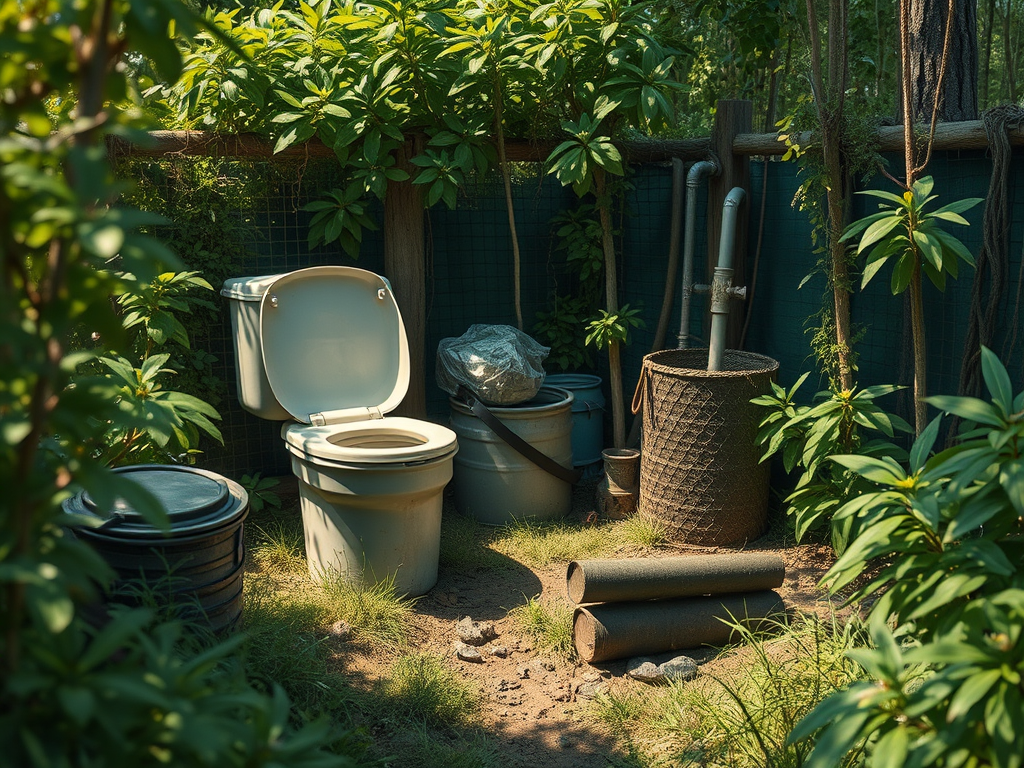
[Off-Grid Bathroom] No-Flush Toilet Systems That Actually Work (And Don’t Smell)
No-flush toilet systems are a clean, eco-friendly alternative for off-grid living, saving water and reducing reliance on costly plumbing. Options range from the low-cost Humanure Bucket System to more advanced solutions like electric incinerating toilets. Proper installation ensures no odor or bugs, promoting a hygienic waste management approach.
-
[Off-Grid Bathroom] The Essentials — How I Built a Functional Bathroom Without Plumbing
The author describes their innovative approach to creating a functional off-grid bathroom without plumbing. They utilize inexpensive materials and simple methods to establish a composting toilet, solar shower, and minimalist hygiene system. The setup emphasizes sustainability, comfort, and efficient waste management, resulting in a clean and eco-friendly solution.
-
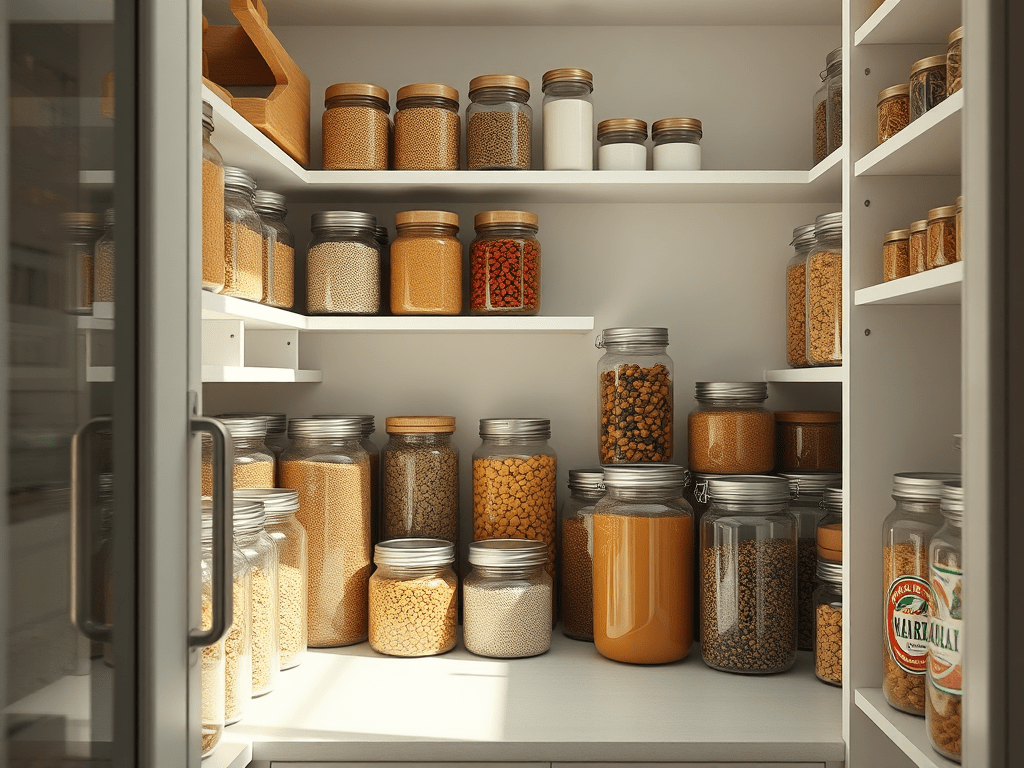
[Minimalist Kitchen Essentials] Minimalist Pantry — Simple Staples That Keep You Fed Anywhere
To create an effective minimalist pantry suitable for off-grid living or emergencies, focus on shelf-stable ingredients that last long without refrigeration. Essential items include grains, legumes, vegetables, healthy fats, and proteins. Employ strategic storage techniques and utilize flavor boosters to enhance meals. Start small, emphasizing quality over quantity.
