-
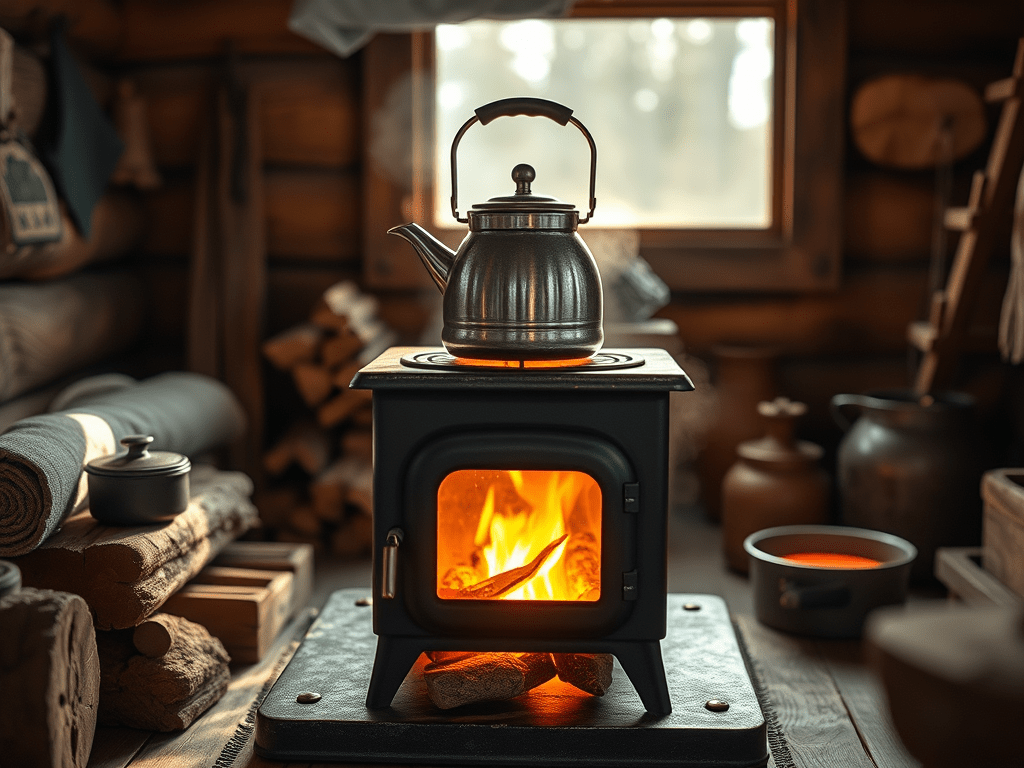
[Tiny Home Heating] Wood, Propane, Solar — Which Off-Grid Heating Fuel Is Right for You?
Choosing the right off-grid heating fuel is crucial for safety and comfort. Options include wood, propane, and solar thermal, each with pros and cons. Wood is renewable but requires storage; propane offers instant heat but needs refills; solar is free but depends on sunlight. Adapt your choice to your location and budget for resilience.
-
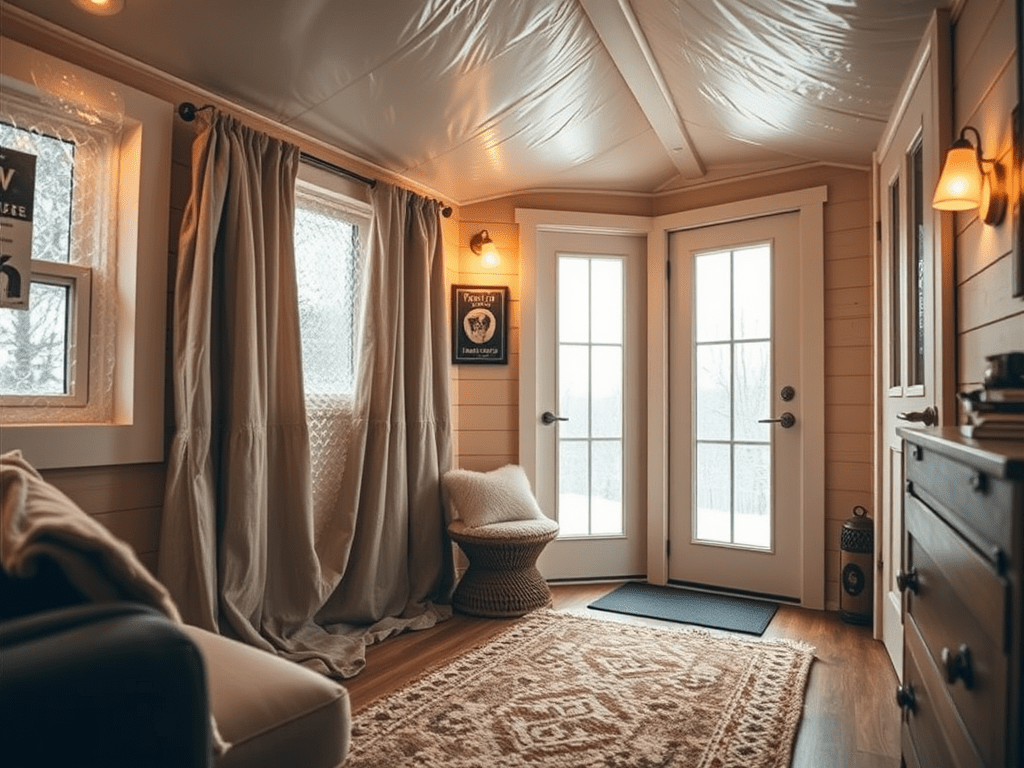
[Tiny Home Heating] DIY Window Insulation, Curtains & Airtight Tricks That Save Real Heat
DIY insulation strategies for windows, doors, and curtains can significantly reduce heating costs by up to 50%. Prioritizing heat retention over generation is key. Effective methods include using bubble wrap on windows, making thermal curtains, and sealing drafts. Regular maintenance ensures lasting warmth, enhancing comfort in tiny homes during cold weather.
-

[Tiny Home Heating] Thermal Mass & Passive Heat — The Secret to Staying Warm Overnight
To avoid nighttime cold in off-grid homes, utilize thermal mass and passive design for heat retention. This strategy includes using materials like bricks and water barrels to absorb and slowly release warmth after the fire extinguishes. Implementing heat zones and passive solar techniques can further enhance overnight comfort without constant fire maintenance.
-

[Tiny Home Heating] The Best Low-Tech Heaters That Actually Work Off-Grid
Five effective low-tech heating systems for off-grid living include: a small wood stove for intense heat, a rocket mass heater for efficient burning, a kerosene heater for backup warmth, a propane radiant heater for quick heat, and thermal mass for passive heating. These systems ensure warmth without relying on electricity.
-
[Tiny Home Heating] How I Heat My Tiny Cabin Without Electricity (Or a Furnace)
The author describes their experience heating an 18m² cabin during winter without electricity. After facing challenges, they created a low-tech system using a small wood stove, propane heater, and insulation methods. Key strategies include passive heating, wind sealing, and sleeping warm techniques, ultimately achieving comfort and safety with minimal fuel costs.
