-
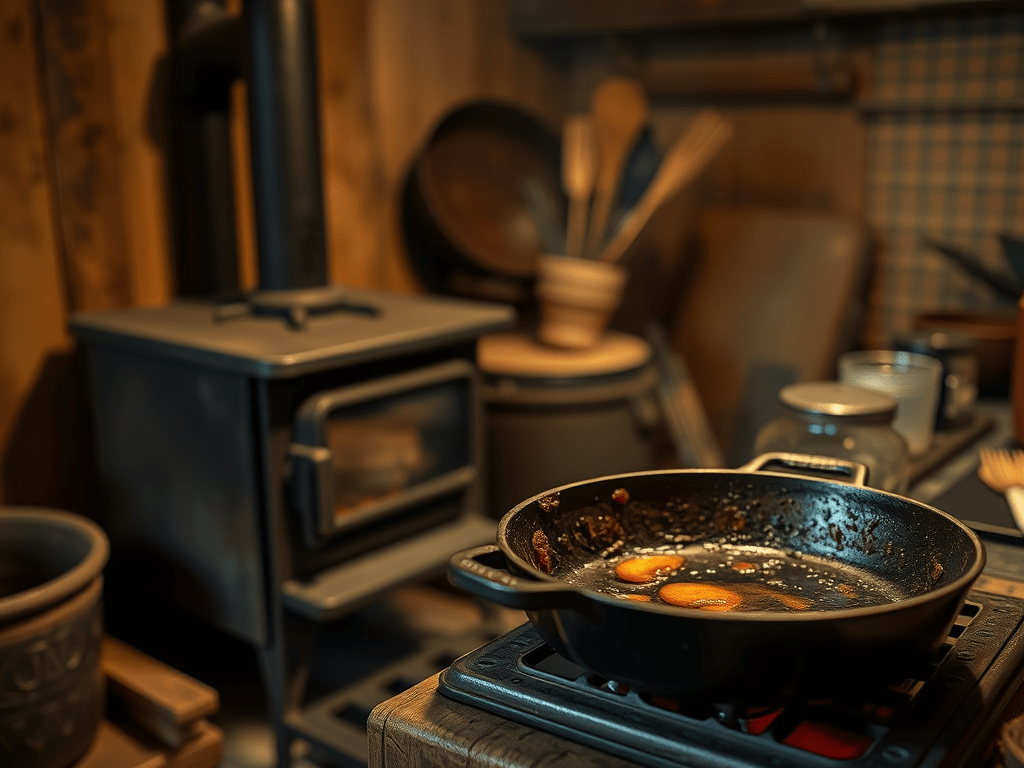
[Off-Grid Living Ideas] The Self-Sufficient Kitchen: Cooking Without a Fridge, Microwave, or Sanity
The pursuit of self-sufficiency involves surrendering modern conveniences for resilience and creativity in cooking. Essentials include a cast iron skillet, Dutch oven, and manual tools, while food storage relies on innovative methods. Meal planning should focus on perishables and strategic cooking, ensuring flavors remain rich and morale high, despite challenges.
-
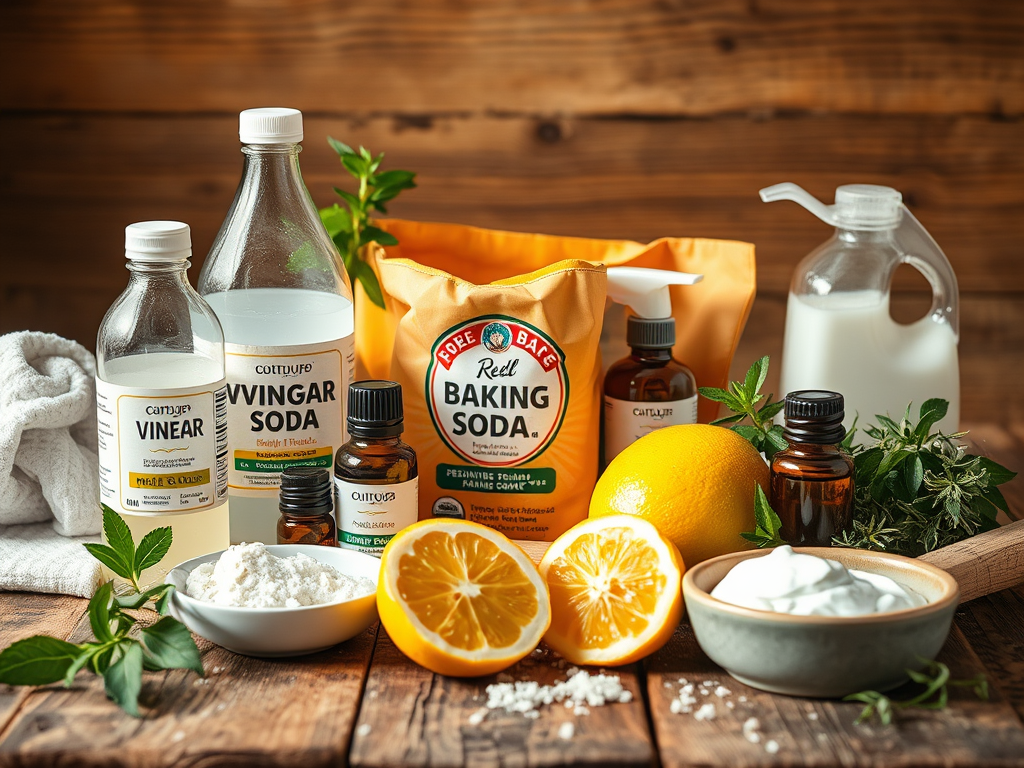
[Off-Grid Living Ideas] Making Your Own Cleaning Products That Work, Smell Good, and Don’t Burn Your House Down
This content emphasizes building an eco-friendly DIY cleaning arsenal using common ingredients like white vinegar, baking soda, and essential oils. It offers various recipes for all-purpose cleaners, dish soap, laundry detergent, toilet bombs, glass cleaner, wood polish, and carpet deodorizer, promoting effective and sustainable cleaning practices.
-

[Off-Grid Living Ideas] Signs You’ve Been Off-Grid Too Long: You’ve Named the Wind and It Talks Back
The journey into off-grid living leads to quirky behaviors and deep connections with nature. Signs include naming the wind, emotionally connecting with vegetables, and forming relationships with inanimate objects. As one loses touch with societal norms, they gain resilience and a unique bond with their environment, creating a beautiful, if unconventional, life.
-
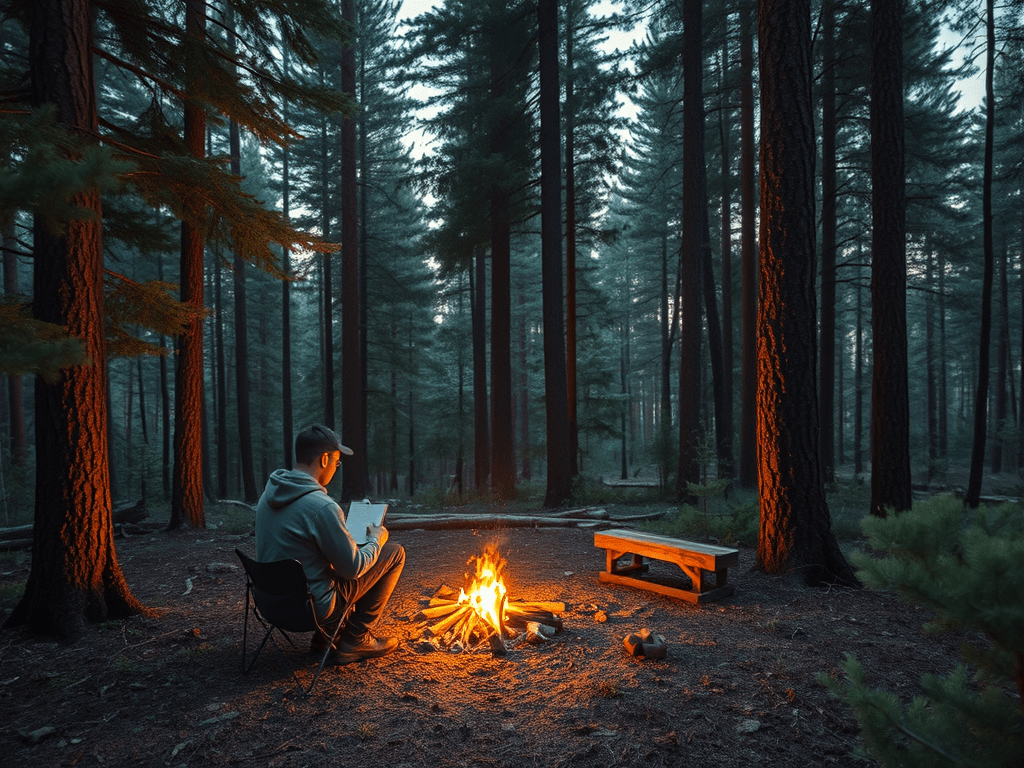
[Off-Grid Living Ideas] DIY Therapy for Off-Gridders: Screaming Into Trees, and Other Coping Mechanisms
The post explores unconventional methods for self-soothing in nature, emphasizing that mental health exists even in the woods. It suggests various activities like screaming at trees, chopping wood, journaling, symbolic burning, walking, talking to oneself, and engaging with goats. These creative approaches help manage emotions while living off-grid.
-
[Off-Grid Living Ideas] DIY Off-Grid Makeup: Clay, Beet Juice, and Questionable Life Choices
The content presents a humorous guide to off-grid beauty using natural ingredients. It emphasizes creativity and self-expression, encouraging readers to create makeup from pantry staples like beets and charcoal. The focus is on fun and individuality rather than perfection, promoting a carefree, whimsical approach to beauty rituals in a rustic lifestyle.
