-
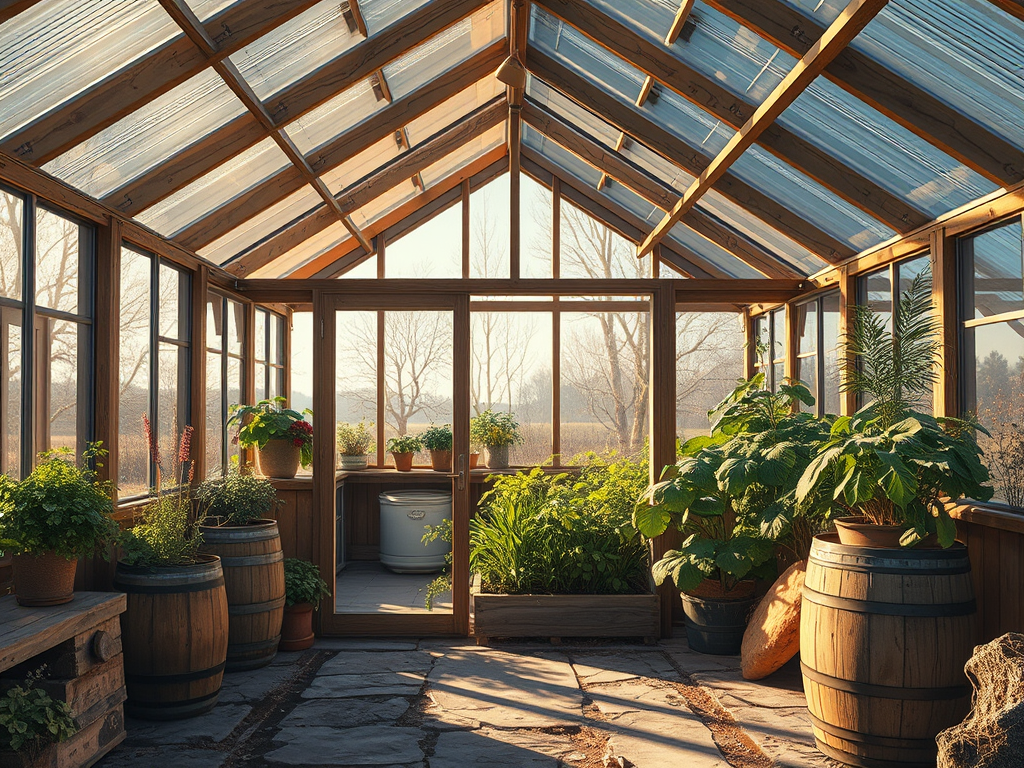
[First Year Off-Grid] Growing Food in Year One: Failures, First Harvests, and Lessons in Humility
In the first year of off-grid gardening, expect challenges like pests, poor soil, and wilting plants. Start small, focusing on survival rather than abundance. Embrace failures and learn from them, celebrating small triumphs. Though harvests might be less than ideal, the journey is rewarding and teaches resilience in growing your own food.
-
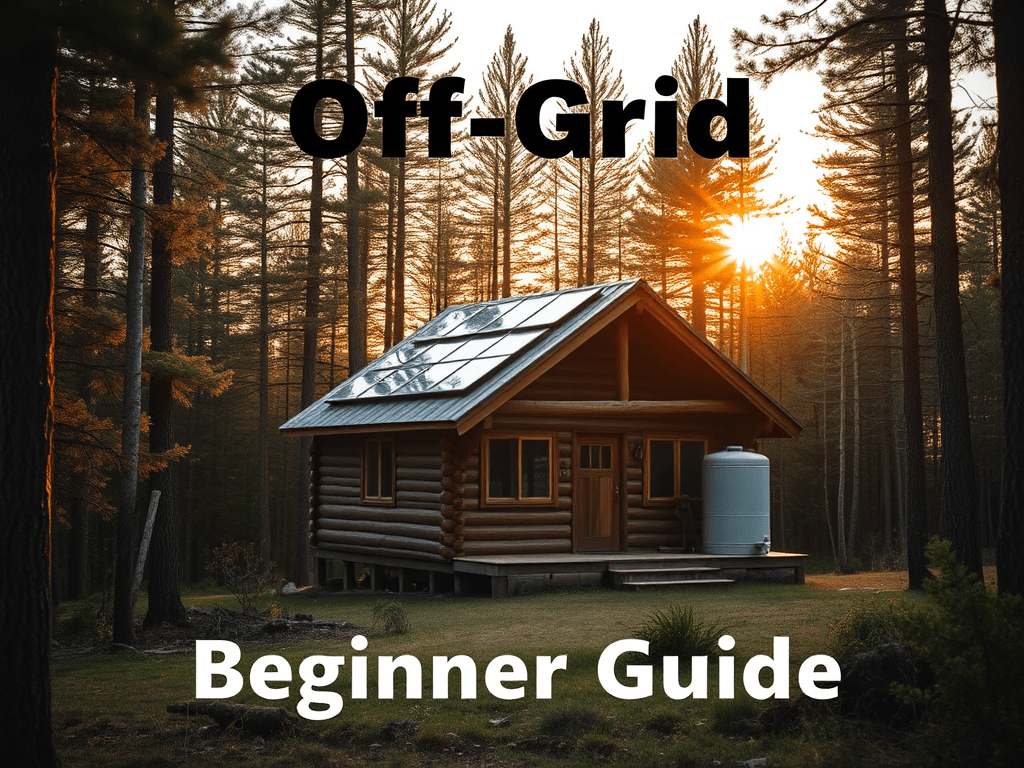
[Off-Grid Beginner Guide] Composting Toilets, Humanure, and the Beautiful Horror of Off-Grid Bathrooms: Bring a bucket. And a sense of humor. Things are about to get very, very real.
The off-grid living guide emphasizes managing human waste through composting toilets instead of traditional methods. It explores the benefits of self-contained and DIY bucket systems, transforming waste into usable compost. Proper handling reduces odor and provides independence. Ultimately, composting toilets enable dignity in off-grid living while embracing sustainability.
-
[Off-Grid Beginner Guide] Beginner Gardening Off-Grid: Why Your First Harvest Will Probably Suck (And That’s OK)
Off-grid gardening presents challenges, from deceptive soil to plant mortality. Beginners should start small, choose reliable plants, and focus on essential tools. Embrace composting and protect gardens from wildlife. The journey involves failures and lessons, ultimately leading to a victorious harvest, despite initial struggles. It’s about learning and growth, not perfection.
-
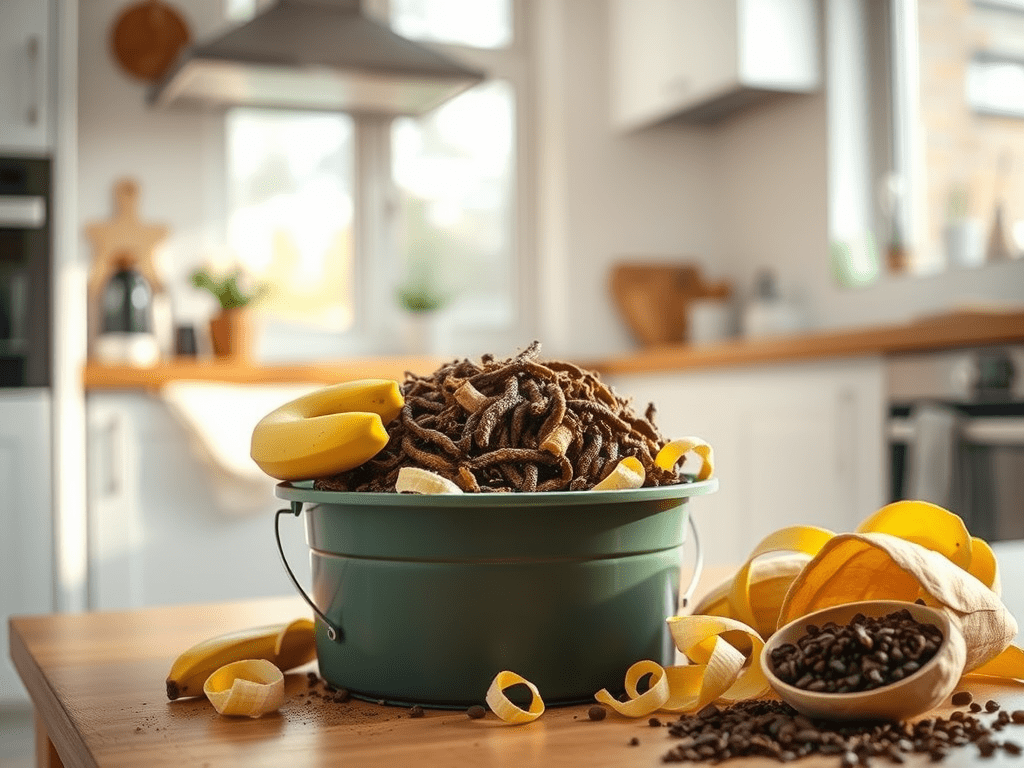
[Almost Off-Grid Life] How a Bucket and a Worm Bin Made Me a Better Person
The author humorously transitioned into composting after a friend’s joke. Initially guilty about food waste, they created a simple worm farm that transformed their perspective on trash. Composting improved their emotional connection to food, reduced waste, and even enhanced plant growth—promoting awareness and care in consumption habits.
-
[Off-Grid Living Ideas] Building a Passive Solar Greenhouse That Doesn’t Collapse in Winter
A passive solar greenhouse allows for year-round sustainable food production by utilizing optimal sun exposure, proper materials, and effective temperature management. Key steps include selecting the right location, choosing suitable materials, ensuring airflow, planning the interior wisely, and winter-proofing the structure. A well-built greenhouse can enhance self-sufficiency and organic cultivation.
