-

[Off-Grid Living Ideas] Weird Protein Ferments: Misadventures With Fish Sauce, Natto, and Emotional Damage
“The part of off-grid life nobody brags about at the potluck.” You thought cabbage was wild.You thought vinegar was intense.Now you’ve entered the true abyss of fermentation—a world where smell is an act of violence and texture is a threat. Let’s walk through these beautifully horrifying sciences of controlled rot. 🐟 Chapter 1: Fish Sauce (The Liquid That Stares…
-
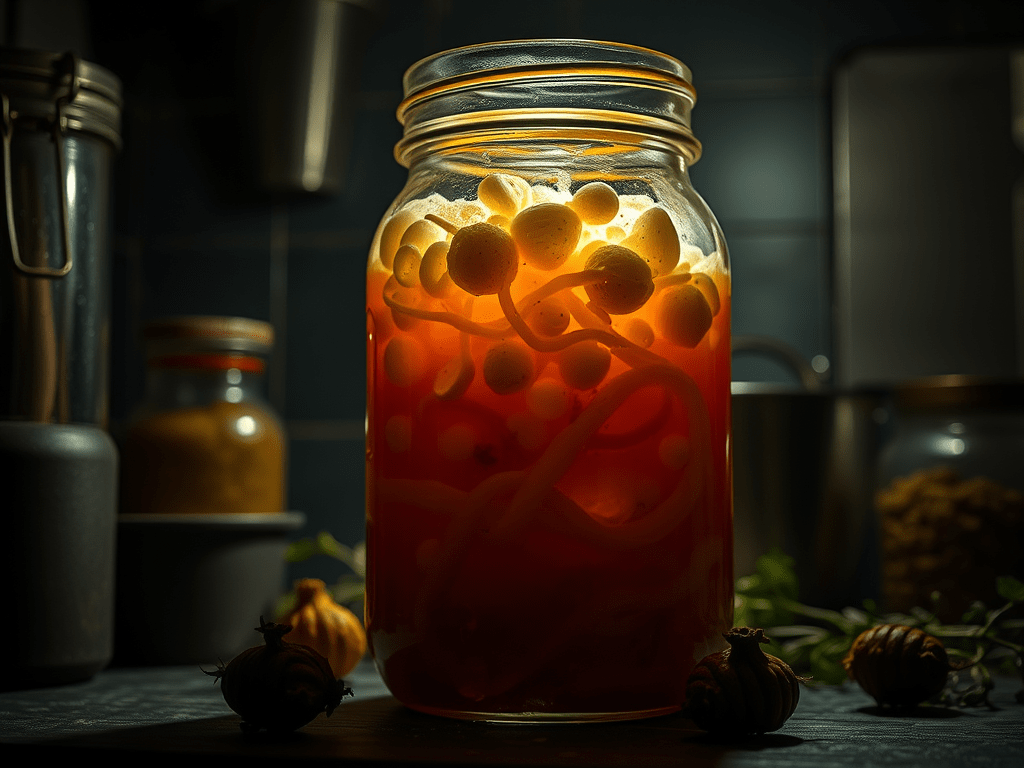
[Off-Grid Living Ideas] The Fermentation Codex: Tales From the Cellar of Eternal Weirdness
The post explores the whimsical world of fermentation, detailing humorous experiences with sourdough, sauerkraut, dairy, booze, vinegar, and kombucha. It highlights the challenges of home fermentation, such as unexpected results and failures, while celebrating the creativity and identity it brings. Ultimately, it portrays fermentation as an art form steeped in chaos and love.
-
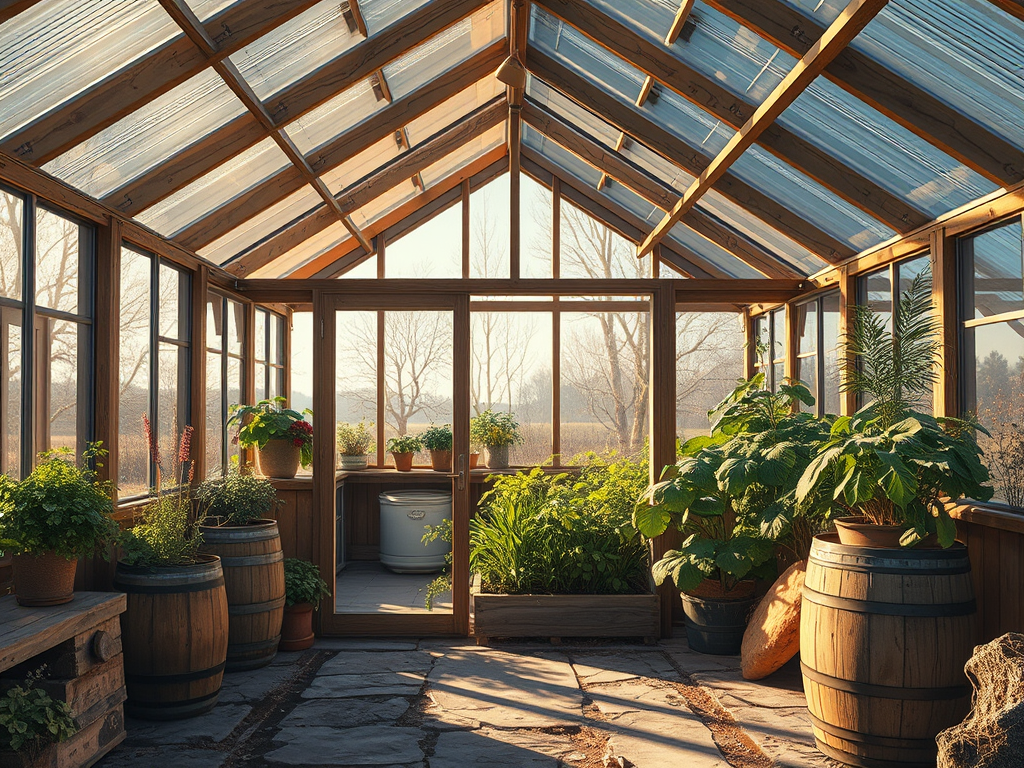
[Off-Grid Living Ideas] Building a Passive Solar Greenhouse That Doesn’t Collapse in Winter
A passive solar greenhouse allows for year-round sustainable food production by utilizing optimal sun exposure, proper materials, and effective temperature management. Key steps include selecting the right location, choosing suitable materials, ensuring airflow, planning the interior wisely, and winter-proofing the structure. A well-built greenhouse can enhance self-sufficiency and organic cultivation.
-

[Off-Grid Living Ideas] How to Fight Without Burning Down the Cabin (Literally or Emotionally)
In off-grid living, emotional tensions can escalate quickly due to stressors like space limitations and shared responsibilities. To handle conflicts effectively, individuals should recognize underlying issues, communicate clearly, establish protocols, create personal space, understand conflict styles, focus on core problems, and engage in post-fight rituals to maintain relationships and harmony.
