-

[Almost Off-Grid Life] How to Make Peace With Collapse Without Giving Up on the World
This guide acknowledges the feeling of living amidst a collapsing system, providing practical steps to foster resilience and peace. It emphasizes facing reality while maintaining hope, highlighting the importance of community and personal action. Constructive practices include building skills, connecting with others, and embracing meaningful rituals to navigate uncertainty.
-
[Almost Off-Grid Life] Prepping for Normal People: How to Get Ready Without Going Full Bear Grylls
This guide emphasizes that everyday individuals don’t require extensive survival gear but should prepare for potential crises with essential supplies. Key items include water, food, heat sources, and basic sanitation tools. It encourages proactive preparation and offers practical tips for creating a functional emergency kit without succumbing to paranoia.
-

[Almost Off-Grid Life] Your Life Is Already Post-Apocalyptic (You Just Haven’t Noticed)
The post argues that individuals are already living in a soft apocalypse characterized by disconnection from food sources, reliance on complex systems, and emotional numbness. It encourages awareness and adaptation through building skills, reconnecting with local communities, and creating resilience. Emphasizing proactive change, it offers practical steps to regain agency.
-
[Almost Off-Grid Life] How to Stop Doomscrolling and Start Building
Doomscrolling leads to anxiety and learned helplessness rather than clarity. The article offers strategies to combat this, including replacing passive consumption with active engagement, curating news feeds to focus on constructive sources, establishing time limits for news intake, and initiating small projects to foster a sense of agency and collaboration.
-
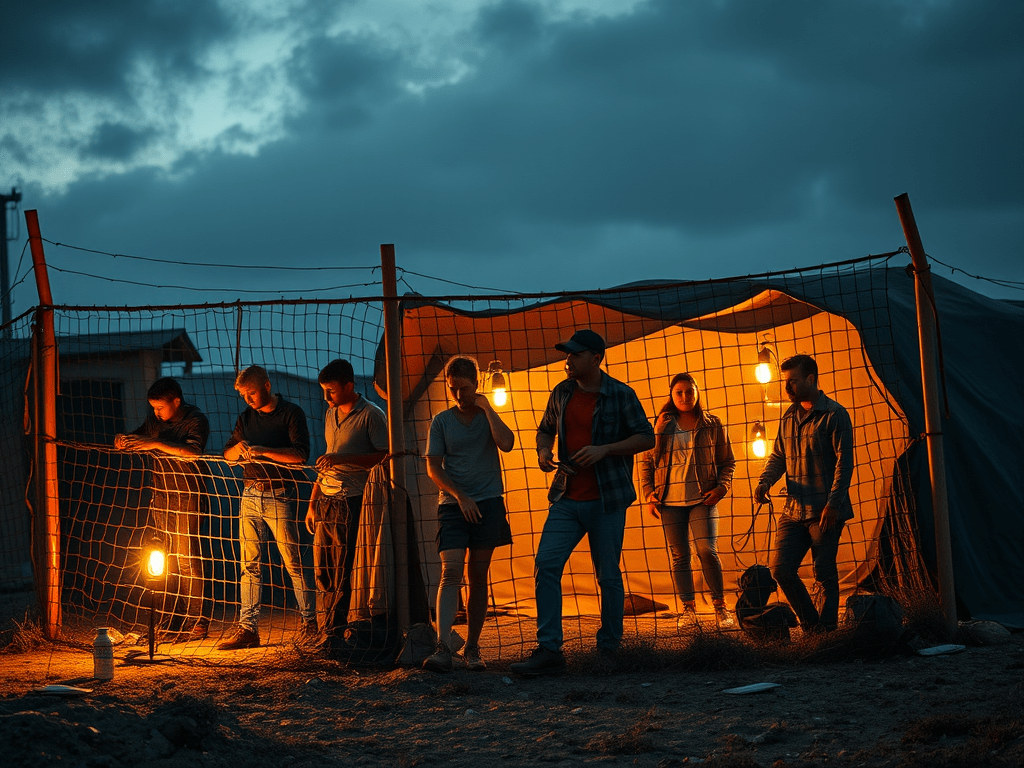
[Almost Off-Grid Life] No, You’re Not Crazy: The System Actually Is Crumbling
The content discusses the feeling of societal collapse, emphasizing that it’s normal to feel overwhelmed amidst current crises like climate change and broken supply chains. It encourages recognizing these issues, promoting awareness over panic, and suggests actionable steps to build resilience and community without resorting to drastic measures.
