-

[72-Hour Check] Three days of food you will actually eat
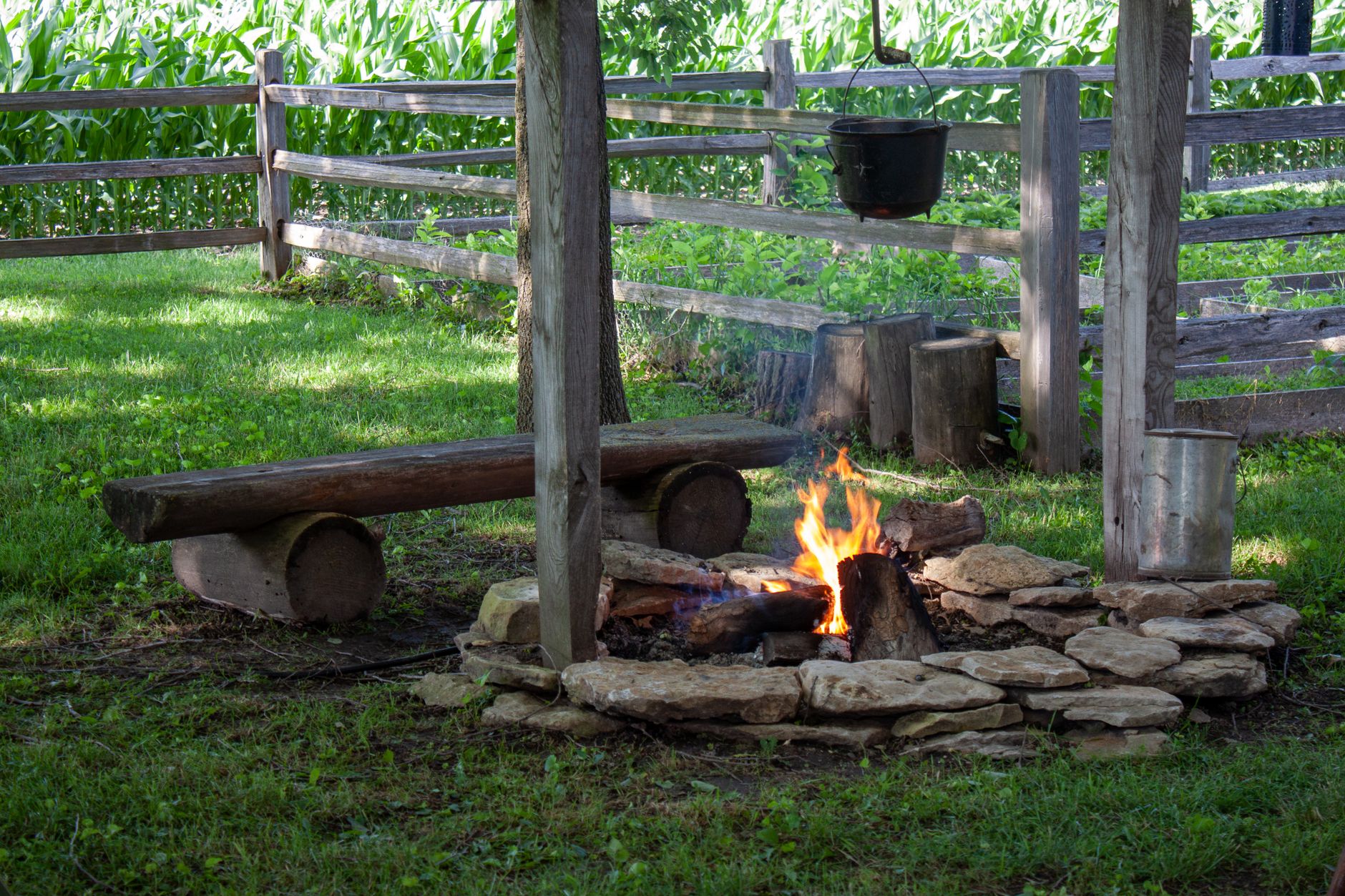
To prepare for short-term emergency food needs, store three days’ worth of foods that can be eaten cold, such as tinned items, crackers, and snacks. Avoid items requiring cooking, like ration packs. Utilize existing food in your pantry and rotate supplies regularly. A camping stove adds versatility, but ensure proper ventilation when used.
-
[72-Hour Check] What a power bank actually runs?
What a Power Bank Actually Runs in a Blackout (Real Numbers) The number on the box is not the number you get. This is not a scandal and nobody is lying to you. It is physics, and it is consistent enough that you can plan around it once you know the correction. But it does…
-
[72-Hour Check] How much water to store in an apartment?
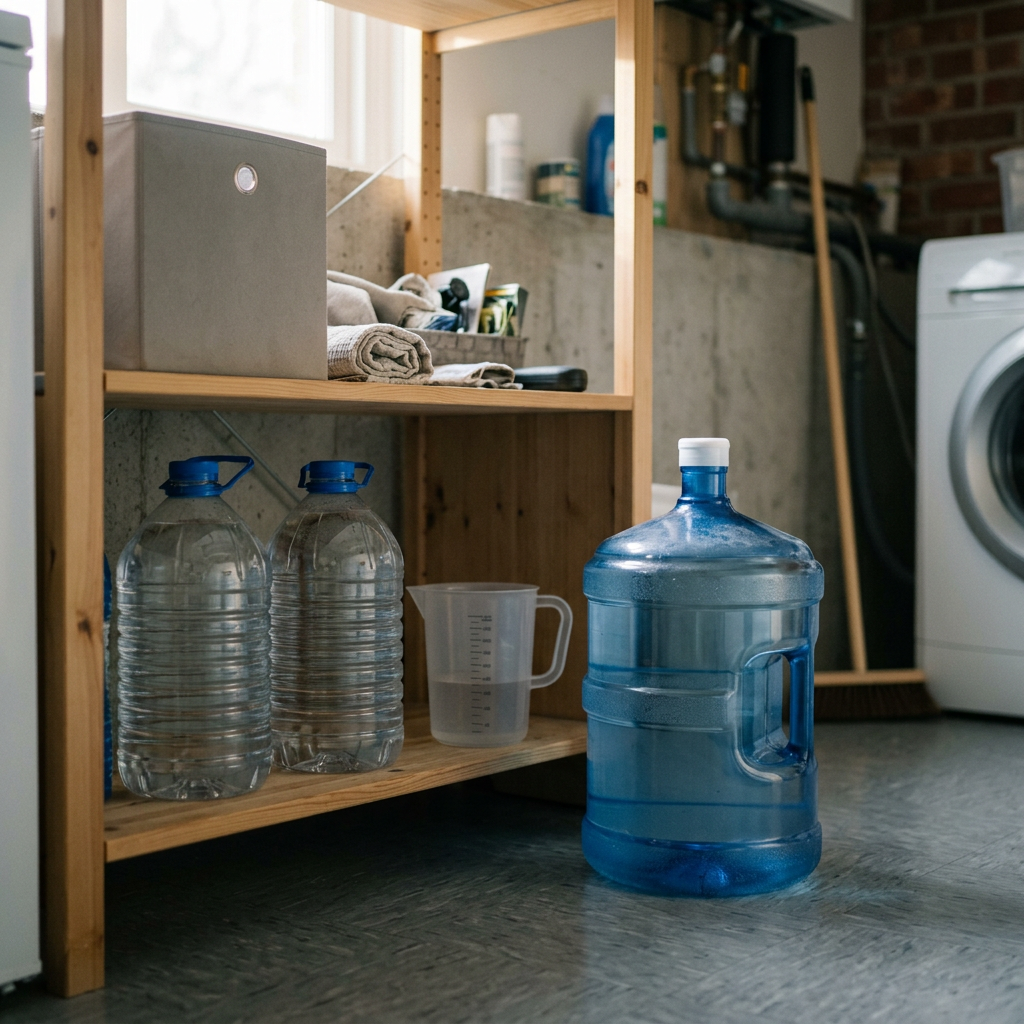
Water is essential for survival, yet many households struggle to store adequate amounts. For emergency preparedness, storing nine liters per person for three days is recommended, fitting easily under beds or in wardrobes. Commercial bottled water is preferred for ease of use. In emergencies, households still have accessible water sources like hot water tanks and…
-

[Off-Grid Step-by-Step] Designing Your Off-Grid Setup: Power, Water, Shelter, and Waste—Done Right
This guide offers essential steps for effective off-grid living, emphasizing careful planning to avoid mishaps like improper waste management. It details the importance of solar energy, water access, waste systems, and efficient layout. Smart design ensures a functional and sustainable homestead, keeping natural elements in mind for long-term success.
-
[How to Start Prepping like a Pro] “Food Production Basics — Starting a Survival Garden & Backyard Chickens”
This guide equips beginners with essential skills for home food production. Key topics include establishing a survival garden, raising chickens for eggs and meat, and creating a self-sustaining food loop. The focus is on growing practical crops, constructing systems for limited spaces, and integrating livestock, emphasizing production over storage for long-term security.
You must be logged in to post a comment.