-
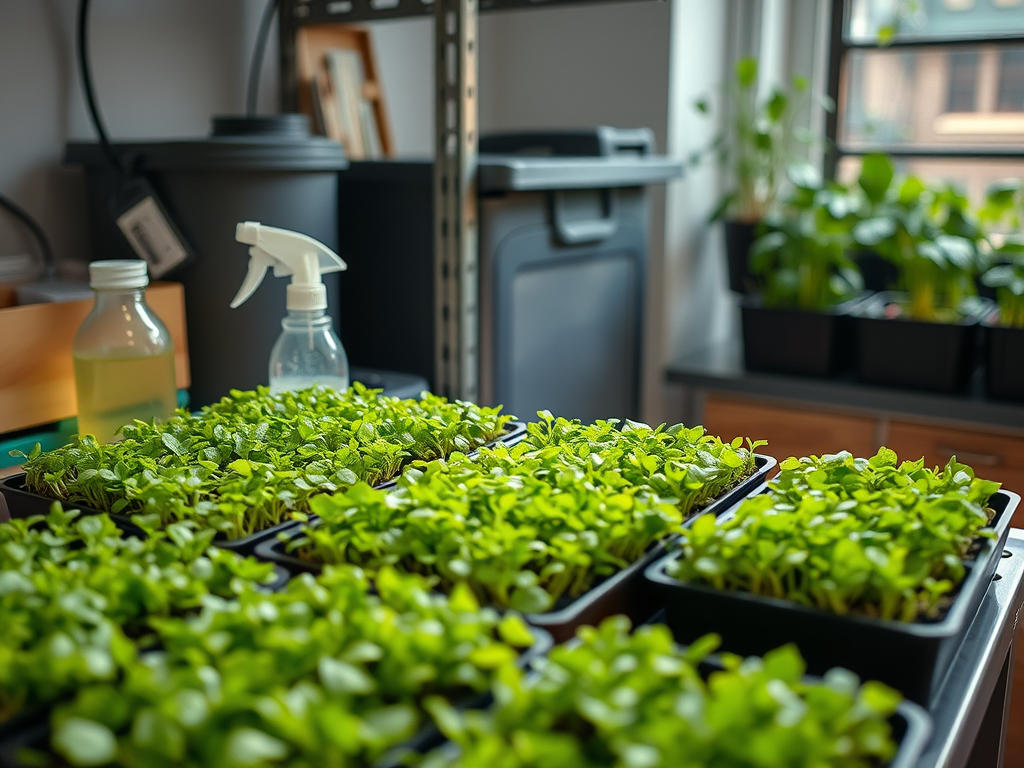
[Urban Homestead Ideas] 10 Urban Homestead Systems That Run on Autopilot: Build it once. Let it quietly save your life forever.
The main myth of homesteading is that it requires more time; instead, effective systems, which are low-effort and efficient, are key. Ten urban homesteading setups optimize food production, waste management, and power backup, encouraging ease of upkeep while fostering sustainability and resilience, ultimately simplifying the homesteading lifestyle.
-

[Mild to Wild] Saved, Simplified, Ready: Your Pre‑Departure Checklist & Launch Plan
This article provides a comprehensive checklist for launching an off-grid lifestyle, emphasizing preparation over gear. It covers financial planning, gear audits, mental readiness, trial runs, organization of essential documents, and thoughtful departure. Key takeaways highlight financial security, practical trials, adaptability, and respect for one’s previous life while embracing the new journey.
-
[Mild to Wild] Weekend Off-Grid Retreats: How to Test-Drive the Transition
This article suggests a weekend retreat as an ideal introduction to off-grid living without purchasing land. It outlines steps for creating a low-cost experience, including choosing a retreat style, packing essential gear, disconnecting from technology, observing personal habits, and reflecting on insights gained. This allows individuals to prototype their off-grid lifestyle.
-
[Mild to Wild] Practice Off-Grid in Your Apartment: Urban Hacks That Build Confidence
You can learn to live off-grid without needing rural settings; city life offers practical training opportunities. Key exercises include water storage practices, simulating power loss, urban gardening, conducting trash audits, and a no-fridge challenge. DIY kits and integrating off-grid practices into daily life help prepare for self-sufficient living.
-
[Mild to Wild] Green Your Routine: Low-Cost Switches That Actually Save Money
Living greener doesn’t require a high budget; it’s about being frugal and smart. This guide offers simple swaps like DIY cleaners, buying secondhand, using rags instead of paper towels, purchasing bulk items, and minimizing energy waste. These changes can save over $70 monthly while promoting sustainability.
