-

[Fridge OFF] The Urban Fermentation Protocol: How Ancient Cities Kept Food Safe in 40°C Heat
When your refrigerator fails, preserve perishables using salt and water to encourage beneficial Lactobacillus bacteria and inhibit harmful pathogens like Clostridium botulinum. Create a saline brine for optimal fermentation, ensuring vegetables stay submerged to avoid spoilage. This approach helps maintain food safety and freshness in warm conditions, even without electricity.
-

[Fridge OFF] The Zero-Heat Kitchen: Why Turning on Your Stove in a Heatwave is a Tactical Error
In a July blackout, maintaining a cool apartment while preparing food can be challenging. Cooking with traditional methods generates heat and humidity, countering cooling efforts. Alternatives like cold soaking pre-gelatinized foods and using Flameless Ration Heaters allow for efficient, heat-free meal preparation. Proper safety protocols are essential to avoid hazards like hydrogen gas.
-
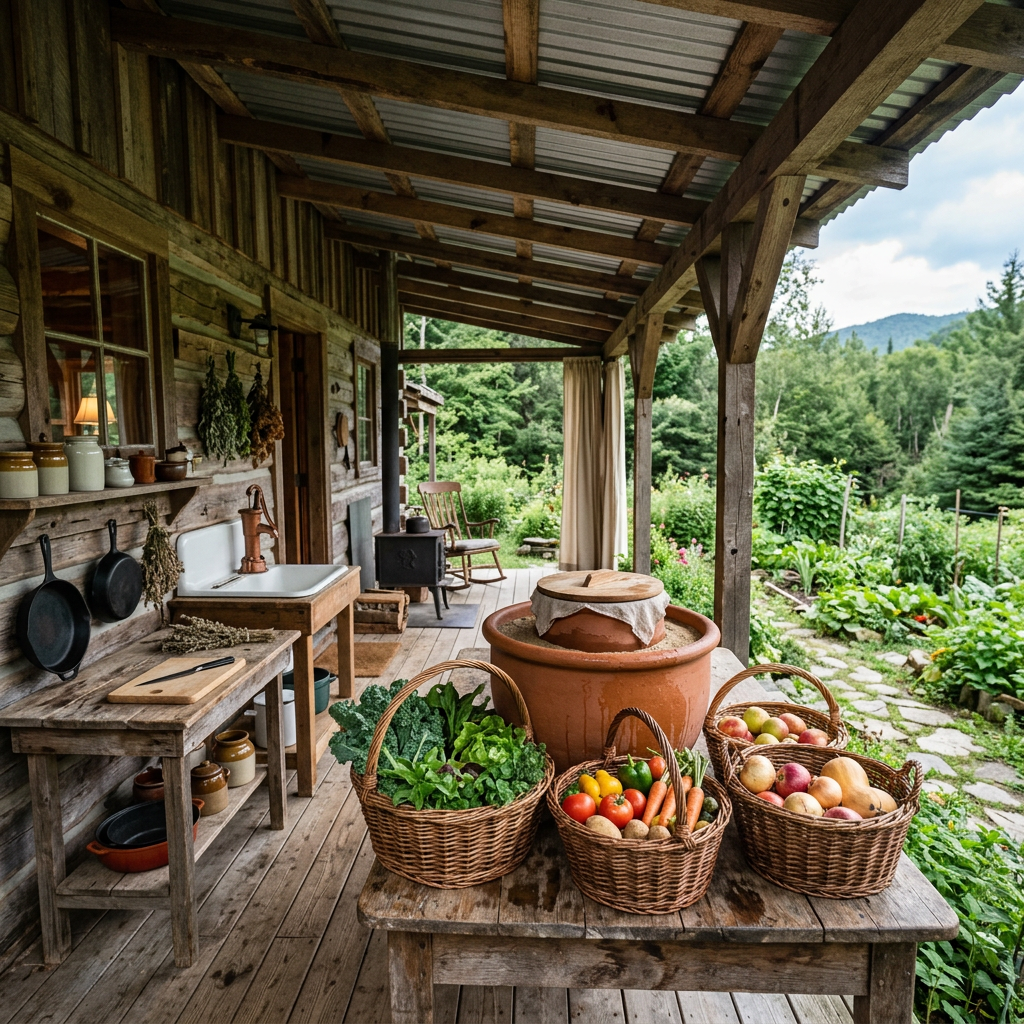
[Fridge OFF] You Have 4 Hours: The Thermodynamic Protocol When the Fridge Dies in July
A summer heatwave causing a grid failure poses serious threats to food safety as refrigerators fail after four hours. The Zeer Pot offers a solution using evaporative cooling to extend perishables’ life. Constructed from unglazed terracotta pots and sand, it requires water maintenance for optimal function. Certain foods fare better than others in this system.
You must be logged in to post a comment.