-
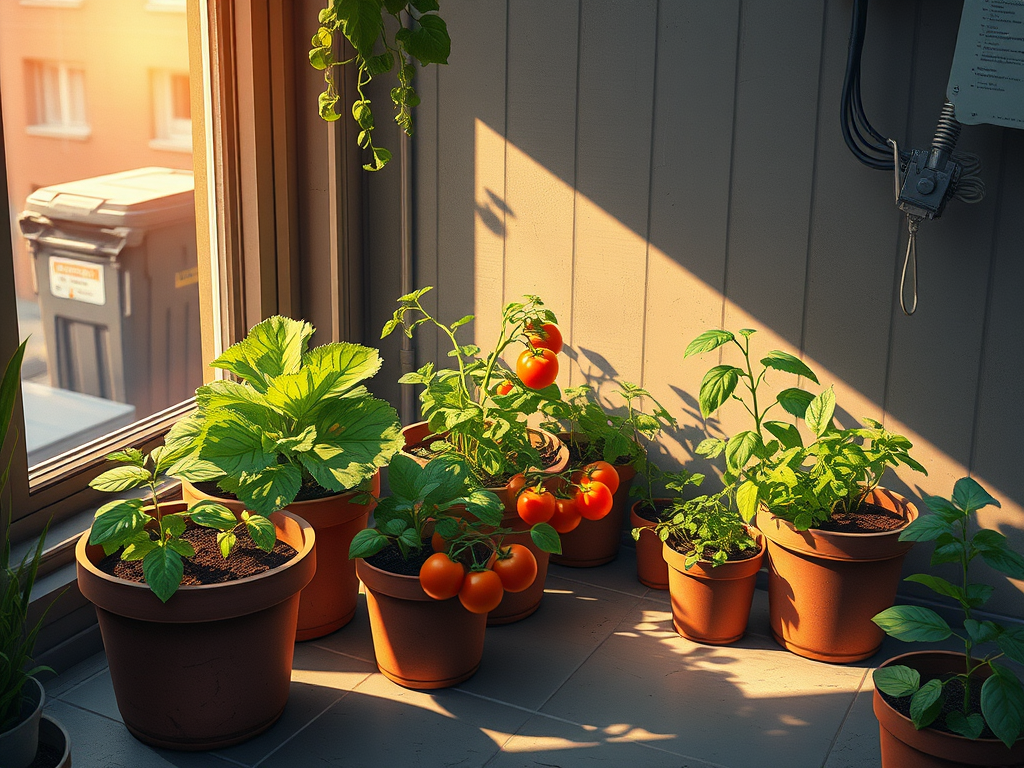
[Urban Homestead Ideas] The 6-Square-Foot Revolution: What I Grow in a City Apartment
“The Concrete Eden” advocates urban homesteading in small spaces, emphasizing food sovereignty and independence from supply chains. It highlights practical tips for growing food in limited areas, using simple tools and a mindset of resilience. The author shares personal experiences, underscoring the mental health benefits and empowerment gained through gardening.
-

[Urban Homestead Ideas] Compost Without a Backyard: My Worm Bin Smells Better Than My Fridge
The author shares their experience with vermicomposting, emphasizing its benefits in reducing waste and promoting natural recycling. They provide a list of necessary materials and feeding guidelines for worms, alongside tips to avoid issues like odors and pests. Ultimately, they celebrate the joy of managing waste creatively and effectively.
-

[Urban Homestead Ideas] Urban Chickens, HOA Rage, and One Hen Named Linda
The author shares their unexpected love for urban chickens, highlighting benefits like fresh eggs and composting. Challenges include HOA regulations, noise concerns, and neighborhood reactions. They discuss their setup, personal experiences with chickens Linda and Sheryl, and stress the importance of food control and connection to nature in an urban setting.
-
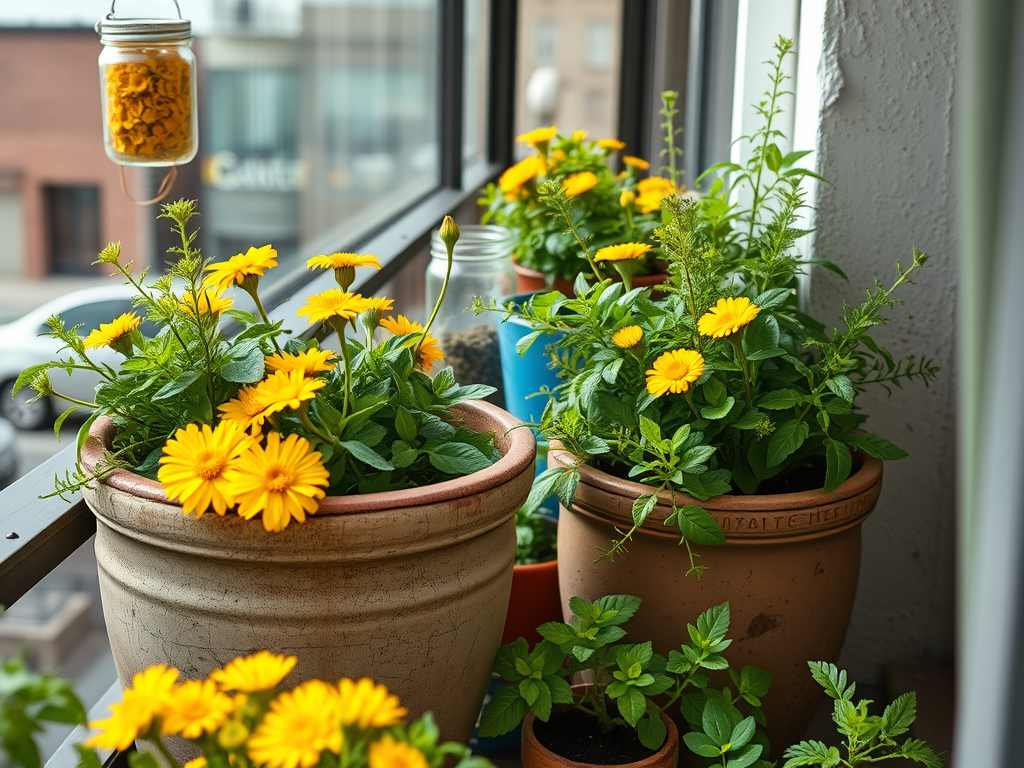
[Urban Homestead Ideas] The Balcony Apothecary: Growing Medicinals in a Broken Planter
The author reflects on their journey from skepticism to embracing homegrown herbal medicine, highlighting its ease and benefits. They grow a variety of medicinal herbs on a small balcony, emphasizing the importance of these plants for health and mental well-being. Practical tips for use, drying, and creating a personal apothecary are shared.
-

[Urban Homestead Ideas] How I Make 3 Months of Pantry Food Fit in One Closet
The author discusses the importance of pantry prepping in urban settings, emphasizing that it enables self-sufficiency during grocery supply disruptions. They share practical storage tips and recommend essential shelf-stable foods, advocating for a thoughtful approach to managing food supplies to foster calm and preparedness without overwhelming space.
