-

[Off-Grid Year Three] Mental Health on the Homestead: Thriving, Not Just Surviving
Homesteading may seem idyllic, but it often brings loneliness and stress. It’s crucial to maintain mental health through structure, outdoor time, and social connections. Setting meaningful goals, allowing rest, and recognizing emotional red flags can prevent burnout. Remember, caring for your mental well-being is as important as maintaining your homestead.
-

[Off-Grid Year Three] Homestead Medicine: What to Do When You’re Bleeding and Google Has No Signal
Homestead medicine emphasizes the importance of self-reliance in medical care without easy access to urgent care. Building a comprehensive first-aid kit, knowing common injuries, learning medical skills, stocking essential medications, and creating emergency protocols are crucial steps. Mental health is equally important, as managing stress is vital for overall well-being in remote living.
-

[Off-Grid Year Three] Long-Term Food Security: The Pantry is Your New Bank Account
The post emphasizes the critical importance of food security by encouraging readers to build self-reliant pantries. It outlines steps for tracking food intake, proper storage methods, cultivating calorie-dense crops, raising livestock, preserving food, and preparing emergency supplies. Ultimately, it highlights the freedom that comes with preparedness and food independence.
-

[Off-Grid Year Three] Yes, You’re Getting Livestock: The Next Logical Mistake
The Livestock Phase details the chaotic journey of embracing homesteading with animals, transitioning from peaceful living to managing various species like chickens, goats, and pigs. It highlights the necessity for proper care, fencing, and emotional boundaries while navigating the challenges and losses that come with livestock. Ultimately, it’s a rewarding yet demanding experience.
-
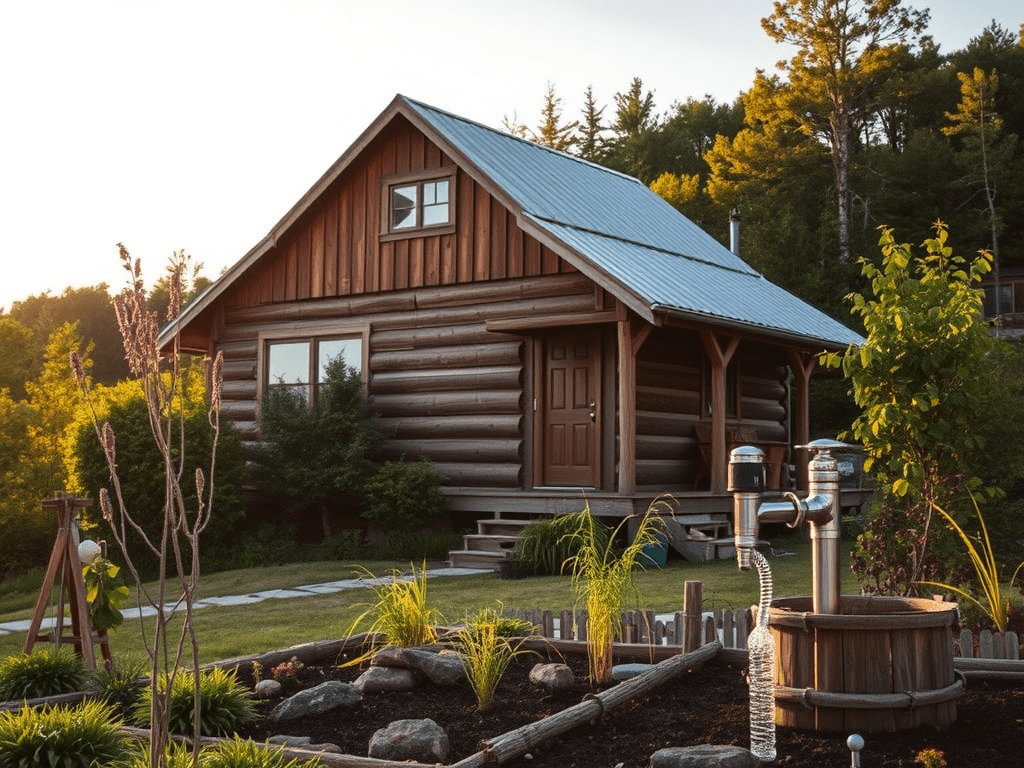
[Off-Grid Year Three] Permanent Infrastructure: Stop Living Like It’s a Temporary Camping Trip
Year Three of off-grid living transforms from a fantasy to an established lifestyle, requiring permanent systems instead of temporary solutions. Upgrades are essential for shelter, water, sanitation, power, storage, and paths. Emphasis is on comfort, practicality, and effective infrastructure, moving towards a designed life rather than mere survival.
