-

[Off-Grid Living Ideas] The Self-Sufficient Kitchen: Cooking Without a Fridge, Microwave, or Sanity
The pursuit of self-sufficiency involves surrendering modern conveniences for resilience and creativity in cooking. Essentials include a cast iron skillet, Dutch oven, and manual tools, while food storage relies on innovative methods. Meal planning should focus on perishables and strategic cooking, ensuring flavors remain rich and morale high, despite challenges.
-

[Off-Grid Living Ideas] How to Host Visitors Off-Grid Without Apologizing Constantly
To host visitors off-grid, set clear expectations about amenities beforehand. Prepare a comfortable guest space and explain the bathroom arrangements confidently. Serve familiar, appealing meals, manage resources effectively, and provide entertainment options. Allow guests space and offer an easy exit if they feel uncomfortable, embracing your unique lifestyle without apologies.
-

[Off-Grid Living Ideas] Making Your Own Cleaning Products That Work, Smell Good, and Don’t Burn Your House Down
This content emphasizes building an eco-friendly DIY cleaning arsenal using common ingredients like white vinegar, baking soda, and essential oils. It offers various recipes for all-purpose cleaners, dish soap, laundry detergent, toilet bombs, glass cleaner, wood polish, and carpet deodorizer, promoting effective and sustainable cleaning practices.
-
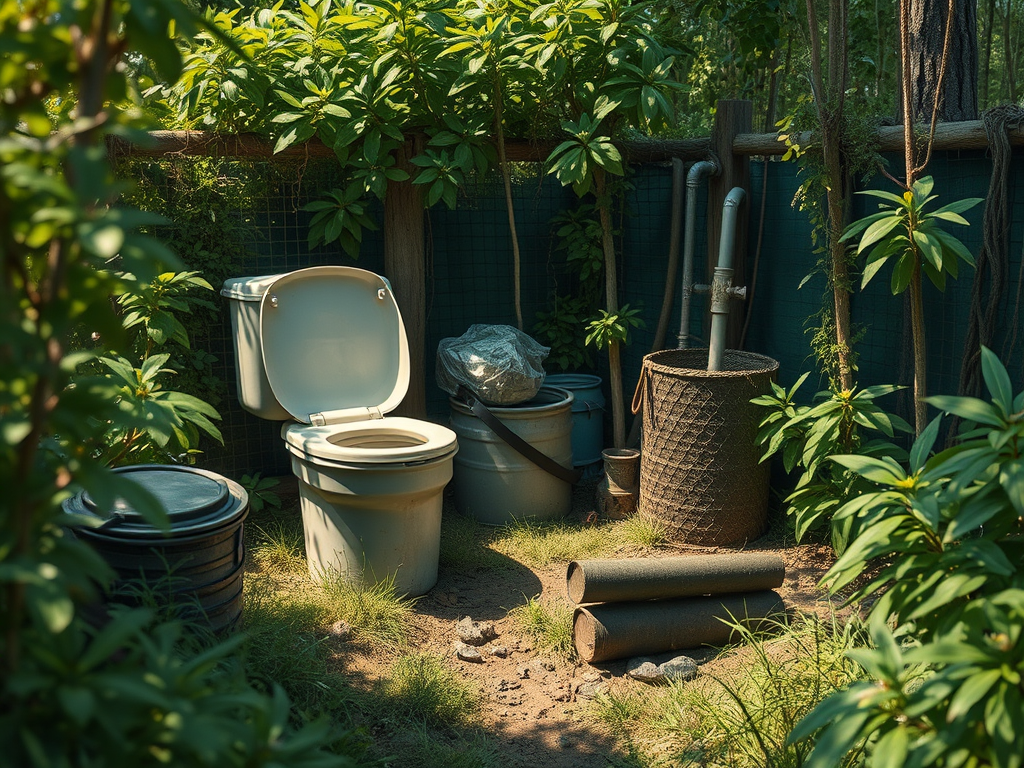
[Off-Grid Living Ideas] The Compost Toilet You Deserve: Dignified, Odorless, and Possibly Wooden
The content emphasizes the transition to building a compost toilet that balances off-grid living with dignity. It outlines the practical steps to create a clean, odor-free unit, including understanding compost biology, selecting or constructing a viable toilet, and maintaining it effectively, all while encouraging a sense of pride and style in the process.
-

[Off-Grid Living Ideas] DIY Solar Panel System Upgrades That Won’t Kill You or Your Freezer
To upgrade your solar system safely, first assess your current setup, including panel wattage and battery capacity. Know the limits of your components and avoid hasty additions. Upgrade hardware like charge controllers properly, use compatible panels, ensure safety with fuses, and design for future expansion. Research thoroughly to prevent disasters.
