-

🏕[Off-Grid Starter Kit] What I’d Do Differently After 1 Month Off-Grid: Lessons From Real-World Living
After a month off-grid, key insights emerged: water consumption exceeded expectations, and quality lighting enhances morale. Essential gear included a backup water filter and rechargeable headlamp, while a camp shower and manual coffee grinder proved unnecessary. Community feedback highlighted durable items and emphasized learning through experience. Simplifying gear and maintenance is crucial.
-
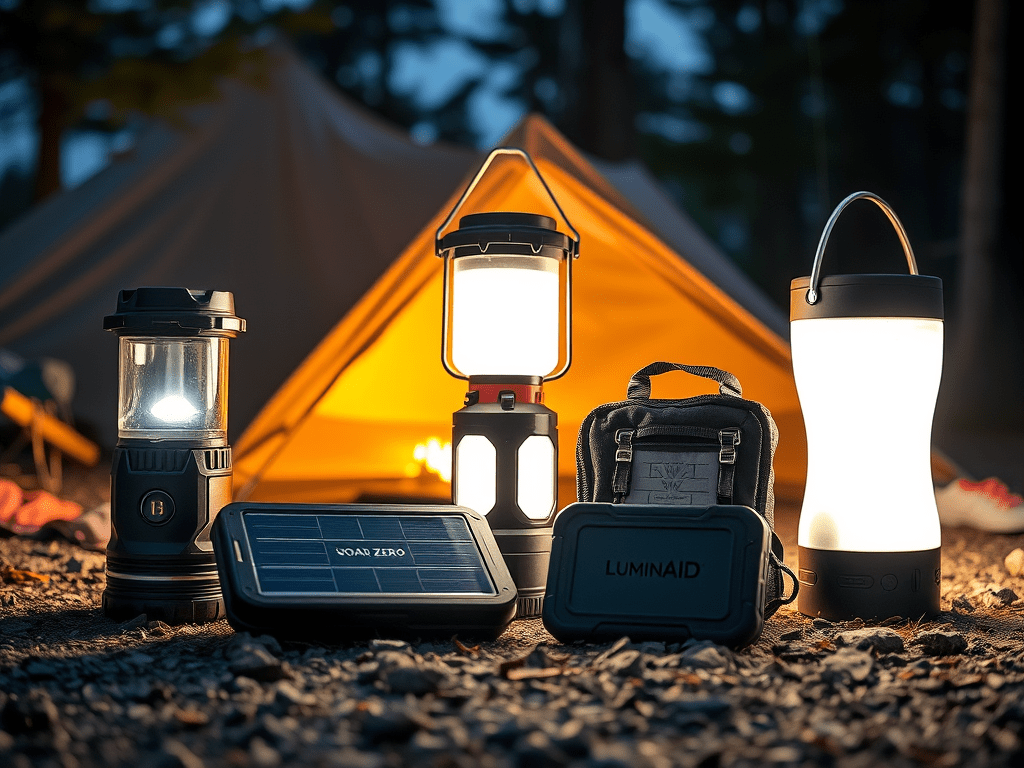
🏕[Off-Grid Starter Kit] Lighting the Night — Solar Lanterns & Battery Banks: Real-World Review
The review details effective off-grid lighting and power solutions tested over 30 nights. Key products include the bright Vont lantern, cozy Goal Zero Crush Light, and versatile LuminAID PackLite Max. Battery banks like Anker PowerCore and Goal Zero are also highlighted. Users should anticipate variable solar efficiency and always carry backup lighting.
-

🏕[Off-Grid Starter Kit] Water Without Plumbing — My DIY Rain Catchment & Filter System
The article details a DIY rainwater catchment system for an off-grid cabin, addressing water scarcity challenges. Key components include a food-grade barrel, diverter kit, mesh screen, and filters. The total cost is under $80, while maintenance tips and lessons learned are shared to help improve setups. Future improvements are also suggested.
-

🏕[Off-Grid Starter Kit] How I Powered My Cabin for $200 — The Real Beginner Off-Grid Setup
The author shares their experience setting up an affordable off-grid power system for less than $200, highlighting essential gear like a portable solar generator and LED lanterns. They offer insights into what worked, mistakes made, and lessons learned, emphasizing the effectiveness of smaller setups for basic needs and the importance of reliability in gear.
-

[Off-Grid Living Ideas] Dealing with Predators, Pests, and Other Things That Want to Eat Your Chickens (and You)
Living off-grid requires vigilance against wildlife pests like raccoons, foxes, and bears. To protect livestock, implement durable fencing and secure coops with effective latches. Additionally, manage rodent invasions by sealing entry points and storing food in hard containers. Utilize deterrents creatively and build defenses to maintain harmony with nature.
