-

[Almost Off-Grid Life] Cooking Without Electricity in a 6th-Floor Walkup
The author explores “off-grid cooking” by setting up “Stove-Free Sundays” in their city apartment, using manual tools and a butane camp stove. This practice transformed their cooking habits, emphasizing focus and simpler meals. They encourage others to experiment with a no-power cooking day to enhance their culinary experiences and techniques.
-
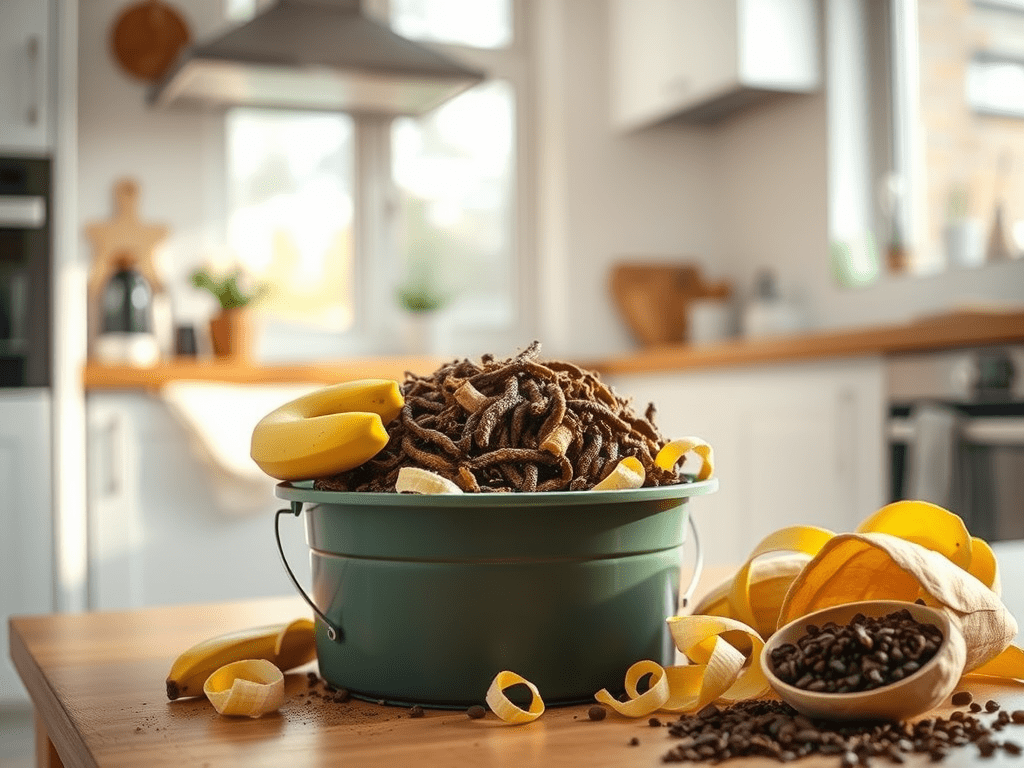
[Almost Off-Grid Life] How a Bucket and a Worm Bin Made Me a Better Person
The author humorously transitioned into composting after a friend’s joke. Initially guilty about food waste, they created a simple worm farm that transformed their perspective on trash. Composting improved their emotional connection to food, reduced waste, and even enhanced plant growth—promoting awareness and care in consumption habits.
-
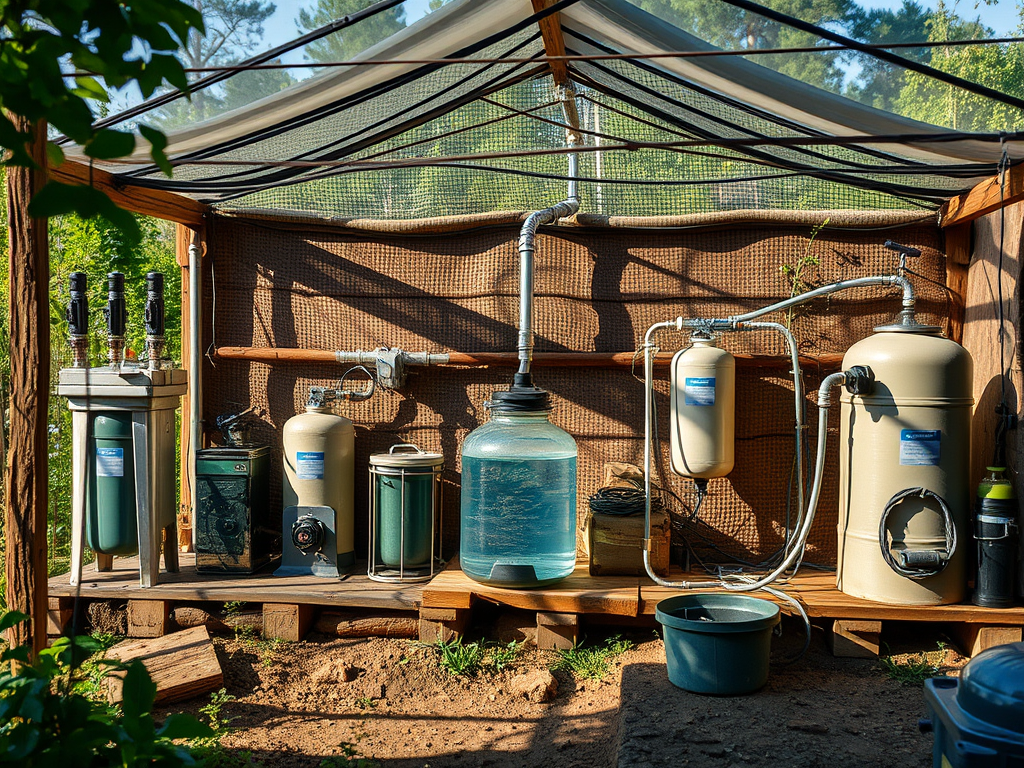
[Advanced Apocalypse Survival Handbook] Ethical Black Market Protocols & Barter Ethics — “Trading Without Law, Not Without Honor”
This guide explores survival in black and gray markets following currency collapse, emphasizing ethical trade practices. It differentiates market types, outlines top commodities, and stresses community values. Safety tips including the “three-bag rule” and the importance of information trading are highlighted, promoting preparation and ethical standards for sustainable exchanges.
-

[Low-Budget Apocalypse Survival Handbook] COOKING & HEAT — “Surviving Without Modern Appliances”
This guide offers low-cost solutions for cooking and heating during power outages or grid failures. It emphasizes safe cooking methods, efficient fuel use, personal warmth strategies, and group heat management. Key tools include propane stoves and thermal blankets. Prioritizing safety and morale through hot meals is essential for survival.
-
[Low-Budget Apocalypse Survival Handbook] FOOD SECURITY — “From 72 Hours to 12 Months”
This guide outlines essential strategies for securing affordable, sustainable food supplies during disasters. It emphasizes practical steps for immediate and long-term food stockpiling, including inventory management, cooking methods without power, and group organization. Key actions include prioritizing perishable foods, learning preservation skills, and maintaining calorie-rich diets.
